

Simi and the Balance Between Artistry, Motherhood, and Celebrity Identity
- Posted on 07 March, 2026
- By Ekpokpobe ogheneyole
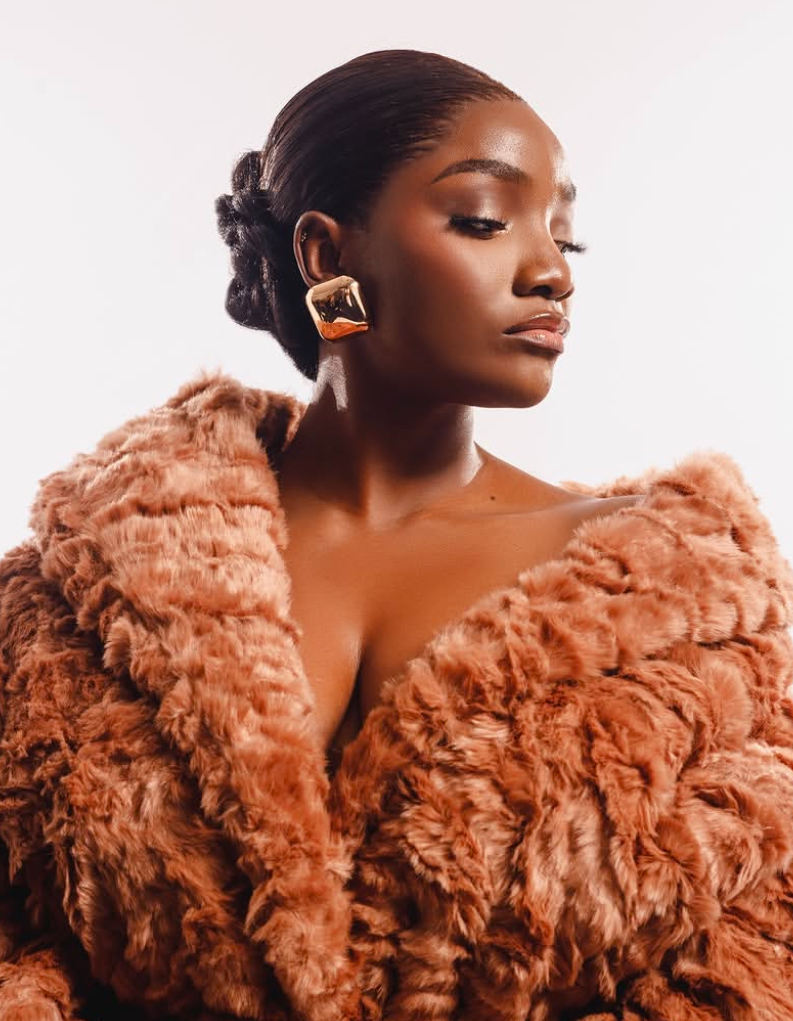
In Nigeria’s contemporary entertainment landscape, where celebrity identity is often carefully curated for public consumption, Simi exemplifies how authenticity can shape public perception. Over the course of her career, the singer and songwriter has crafted a public narrative that merges artistry, motherhood, and visibility without allowing any single dimension to dominate. Her evolving presence reflects a broader cultural shift in how Nigerian audiences interpret fame, relatability, and personal identity.
From the early stages of her musical career, Simi distinguished herself through a songwriting style rooted in emotional clarity and conversational storytelling. Her music explores themes of love, vulnerability, personal growth, and everyday experiences, allowing listeners to see themselves within her narratives. Unlike the hyper-glamorized personas sometimes associated with pop stardom, her artistic identity has remained grounded in sincerity, anchoring her relevance within Nigeria’s competitive music industry.
Her marriage to fellow artist Adekunle Gold and the couple’s journey into parenthood introduced a new dimension to her public life. In many celebrity ecosystems, family life is either hidden or strategically transformed into spectacle. Simi has navigated a middle path, sharing selected glimpses of motherhood while maintaining boundaries around personal space. This approach resonates with audiences who increasingly value transparency that does not feel performative.
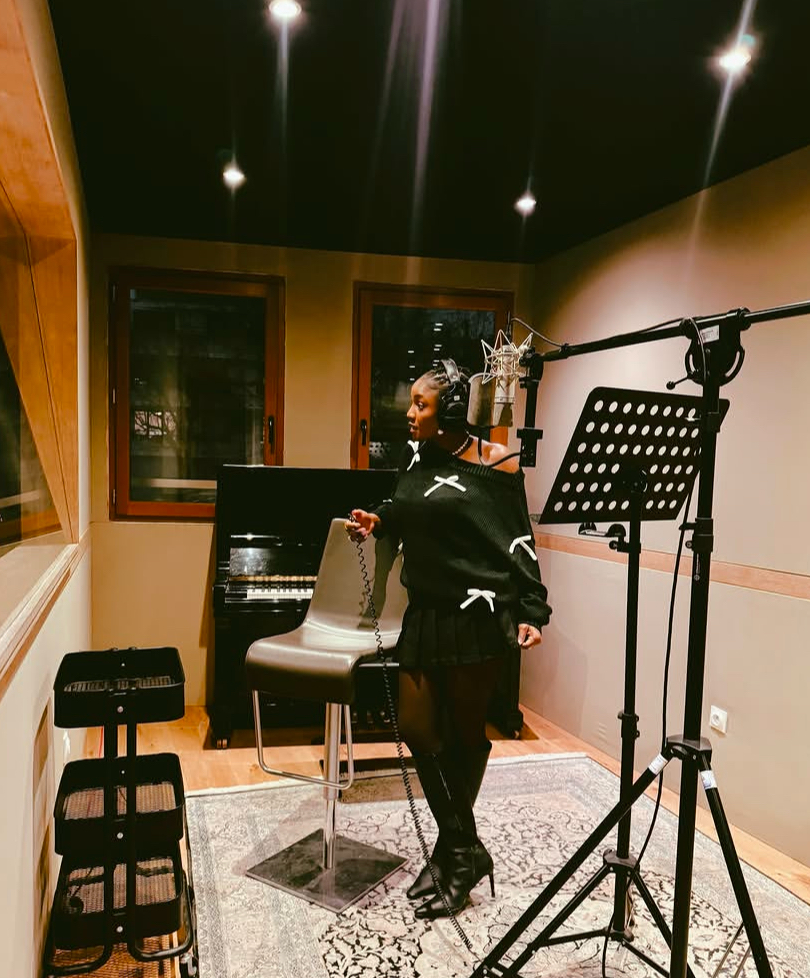 Motherhood, rather than interrupting her career, has expanded her narrative. It has informed her songwriting perspectives, influenced the tone of her public engagements, and introduced discussions about balance within creative professions. In a cultural environment where female celebrities often face pressure to either maintain relentless professional output or retreat from visibility after starting families, Simi’s example illustrates that artistic continuity and family life can coexist.
This evolution also mirrors changes within Nigeria’s digital media culture. Platforms such as Instagram and TikTok have transformed how celebrities interact with audiences, narrowing the gap between stage persona and personal life. Fans increasingly seek moments that feel unfilteredhumor, vulnerability, and everyday experiences that humanize public figures. Simi’s relaxed communication style and candid reflections on family life have strengthened her credibility as both artist and individual.
Motherhood, rather than interrupting her career, has expanded her narrative. It has informed her songwriting perspectives, influenced the tone of her public engagements, and introduced discussions about balance within creative professions. In a cultural environment where female celebrities often face pressure to either maintain relentless professional output or retreat from visibility after starting families, Simi’s example illustrates that artistic continuity and family life can coexist.
This evolution also mirrors changes within Nigeria’s digital media culture. Platforms such as Instagram and TikTok have transformed how celebrities interact with audiences, narrowing the gap between stage persona and personal life. Fans increasingly seek moments that feel unfilteredhumor, vulnerability, and everyday experiences that humanize public figures. Simi’s relaxed communication style and candid reflections on family life have strengthened her credibility as both artist and individual.
 Her public narrative contributes to broader conversations about the evolving role of women in Nigeria’s entertainment industry. Female artists today navigate expectations that extend beyond music to include entrepreneurship, personal branding, advocacy, and domestic life. By embracing multiple identities without reducing any to marketing tools, Simi represents a model of celebrity that acknowledges complexity rather than performing perfection.
Importantly, her authenticity does not diminish the seriousness of her artistry. Albums, live performances, and collaborations remain central to her professional identity, reinforcing that relatability and creative excellence can coexist. In an era of short attention spans and image management often overshadowing craft, sustained musical credibility remains a strong foundation for influence.
Ultimately, Simi’s journey reflects a broader recalibration within celebrity culture. Nigerian audiences are beginning to value public figures who project coherence between their creative output and personal values. Authenticity, once treated as a marketing buzzword, is emerging as a durable form of brand equity. In balancing artistry, motherhood, and public visibility, Simi demonstrates that celebrity identity need not be fragmented. It can evolve alongside life itself, allowing audiences to witness not only the making of music but the unfolding of a multidimensional human story.
Her public narrative contributes to broader conversations about the evolving role of women in Nigeria’s entertainment industry. Female artists today navigate expectations that extend beyond music to include entrepreneurship, personal branding, advocacy, and domestic life. By embracing multiple identities without reducing any to marketing tools, Simi represents a model of celebrity that acknowledges complexity rather than performing perfection.
Importantly, her authenticity does not diminish the seriousness of her artistry. Albums, live performances, and collaborations remain central to her professional identity, reinforcing that relatability and creative excellence can coexist. In an era of short attention spans and image management often overshadowing craft, sustained musical credibility remains a strong foundation for influence.
Ultimately, Simi’s journey reflects a broader recalibration within celebrity culture. Nigerian audiences are beginning to value public figures who project coherence between their creative output and personal values. Authenticity, once treated as a marketing buzzword, is emerging as a durable form of brand equity. In balancing artistry, motherhood, and public visibility, Simi demonstrates that celebrity identity need not be fragmented. It can evolve alongside life itself, allowing audiences to witness not only the making of music but the unfolding of a multidimensional human story.