

Luxury as Language: What Celebrity Fashion Really Says About Class and Aspiration in Nigeria
- Posted on 06 March, 2026
- By Ekpokpobe ogheneyole
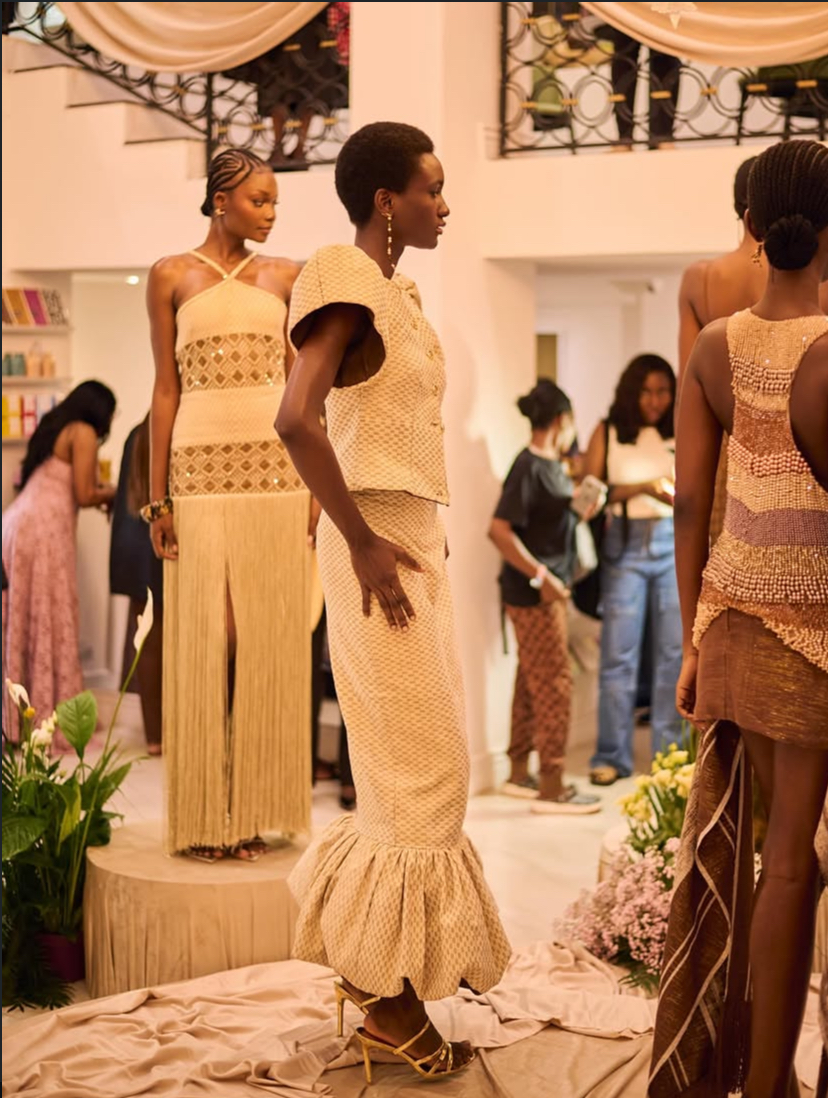
In Nigeria’s highly visual celebrity culture, fashion rarely exists as mere clothing. It operates as language, an expressive system through which identity, class positioning, ambition, and cultural belonging are communicated. From red carpet appearances to social media imagery, celebrity wardrobes have become powerful symbols within Nigeria’s broader conversation about status and aspiration. Luxury fashion, in particular, functions not only as aesthetic expression but as a coded narrative about success in a rapidly evolving society.
Within the entertainment industry, clothing often performs the role that formal titles or institutional recognition might play elsewhere. Musicians, actors, influencers, and public personalities use fashion to signal arrival, credibility, and cultural influence. Designer garments, rare accessories, and carefully styled appearances help construct the visual mythology surrounding celebrity success. The message is subtle but widely understood: achievement is not only heard in music or seen in film; it is worn.
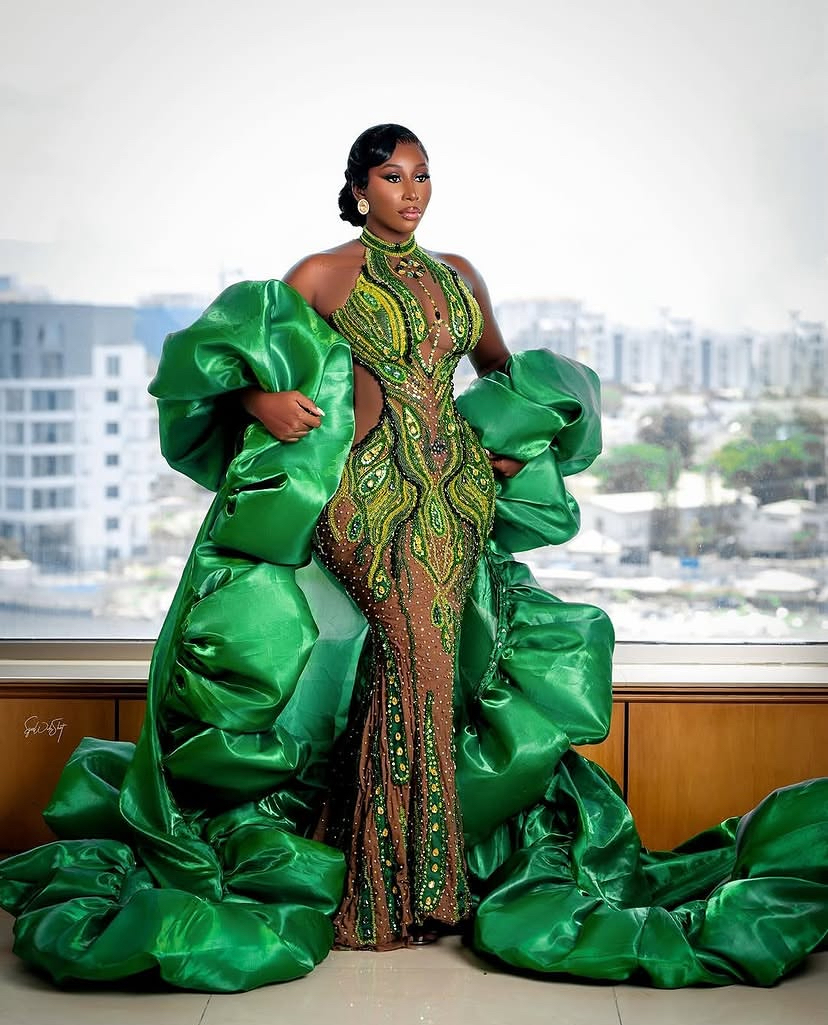 Global luxury houses such as Louis Vuitton, Gucci, and Balenciaga have become familiar fixtures in celebrity wardrobes across Nigeria. Their presence reflects more than purchasing power. It signals entry into a global cultural conversation where African creatives increasingly assert their visibility. Wearing internationally recognized labels allows Nigerian celebrities to position themselves within a transnational style economy, aligning local success with global luxury symbolism.
Yet the language of fashion within Nigeria is not solely imported. Designers such as Lisa Folawiyo and Mai Atafo demonstrate how local craftsmanship can transform traditional textiles and tailoring into luxury statements with international resonance. When celebrities choose Nigerian designers for major appearances, they reinforce an important cultural narrative: prestige can be rooted in heritage as much as in foreign labels. Ankara prints, aso-oke fabrics, and indigenous craftsmanship become vehicles through which identity and pride are visually articulated.
Global luxury houses such as Louis Vuitton, Gucci, and Balenciaga have become familiar fixtures in celebrity wardrobes across Nigeria. Their presence reflects more than purchasing power. It signals entry into a global cultural conversation where African creatives increasingly assert their visibility. Wearing internationally recognized labels allows Nigerian celebrities to position themselves within a transnational style economy, aligning local success with global luxury symbolism.
Yet the language of fashion within Nigeria is not solely imported. Designers such as Lisa Folawiyo and Mai Atafo demonstrate how local craftsmanship can transform traditional textiles and tailoring into luxury statements with international resonance. When celebrities choose Nigerian designers for major appearances, they reinforce an important cultural narrative: prestige can be rooted in heritage as much as in foreign labels. Ankara prints, aso-oke fabrics, and indigenous craftsmanship become vehicles through which identity and pride are visually articulated.
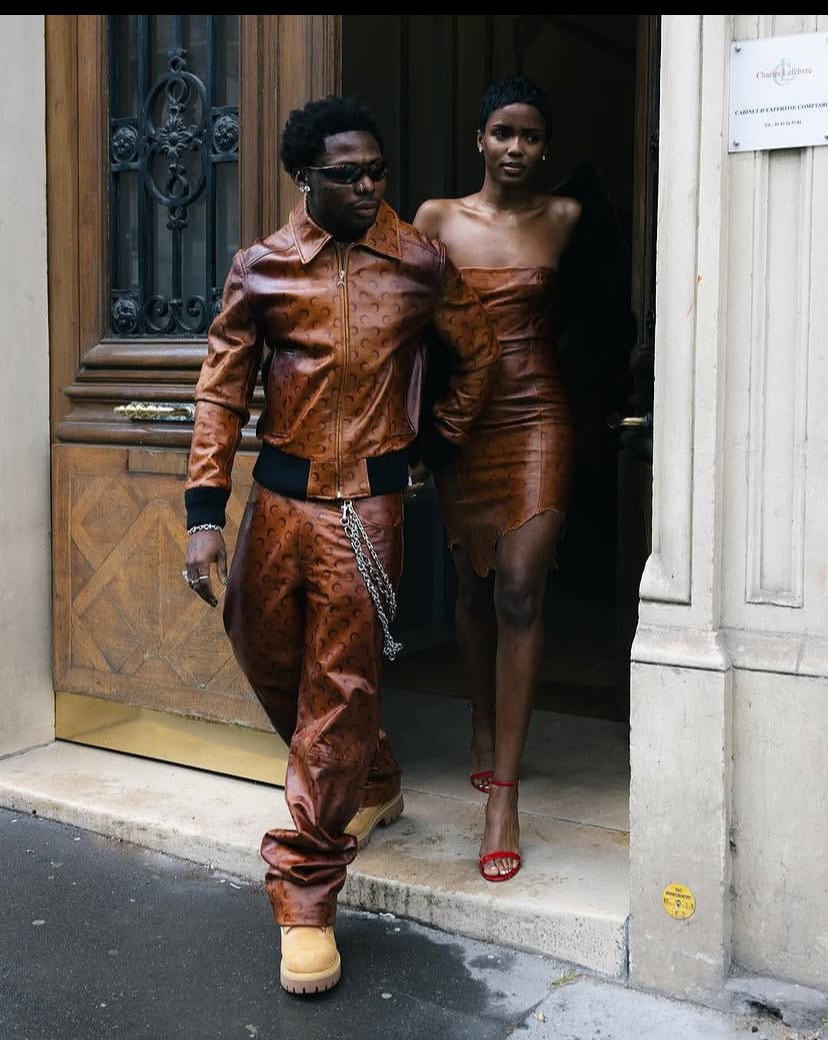 The prominence of celebrity fashion also reflects Nigeria’s broader aspirational culture. In a society where economic mobility is both deeply desired and unevenly distributed, visual symbols of success carry heightened significance. Clothing becomes a form of storytelling about possibility, what achievement looks like, how prosperity might be displayed, and who has access to spaces of privilege. For audiences following celebrities online, fashion imagery often operates as both inspiration and aspiration.
Digital media has intensified this dynamic. Platforms such as Instagram and TikTok have turned celebrity style into daily content, allowing fans to observe luxury consumption in real time. Red carpet moments, backstage fittings, and casual street style posts circulate widely, expanding fashion’s influence beyond elite events into everyday digital culture. What once appeared occasionally in magazines now appears constantly in mobile feeds, shaping how audiences interpret status and taste.
The prominence of celebrity fashion also reflects Nigeria’s broader aspirational culture. In a society where economic mobility is both deeply desired and unevenly distributed, visual symbols of success carry heightened significance. Clothing becomes a form of storytelling about possibility, what achievement looks like, how prosperity might be displayed, and who has access to spaces of privilege. For audiences following celebrities online, fashion imagery often operates as both inspiration and aspiration.
Digital media has intensified this dynamic. Platforms such as Instagram and TikTok have turned celebrity style into daily content, allowing fans to observe luxury consumption in real time. Red carpet moments, backstage fittings, and casual street style posts circulate widely, expanding fashion’s influence beyond elite events into everyday digital culture. What once appeared occasionally in magazines now appears constantly in mobile feeds, shaping how audiences interpret status and taste.
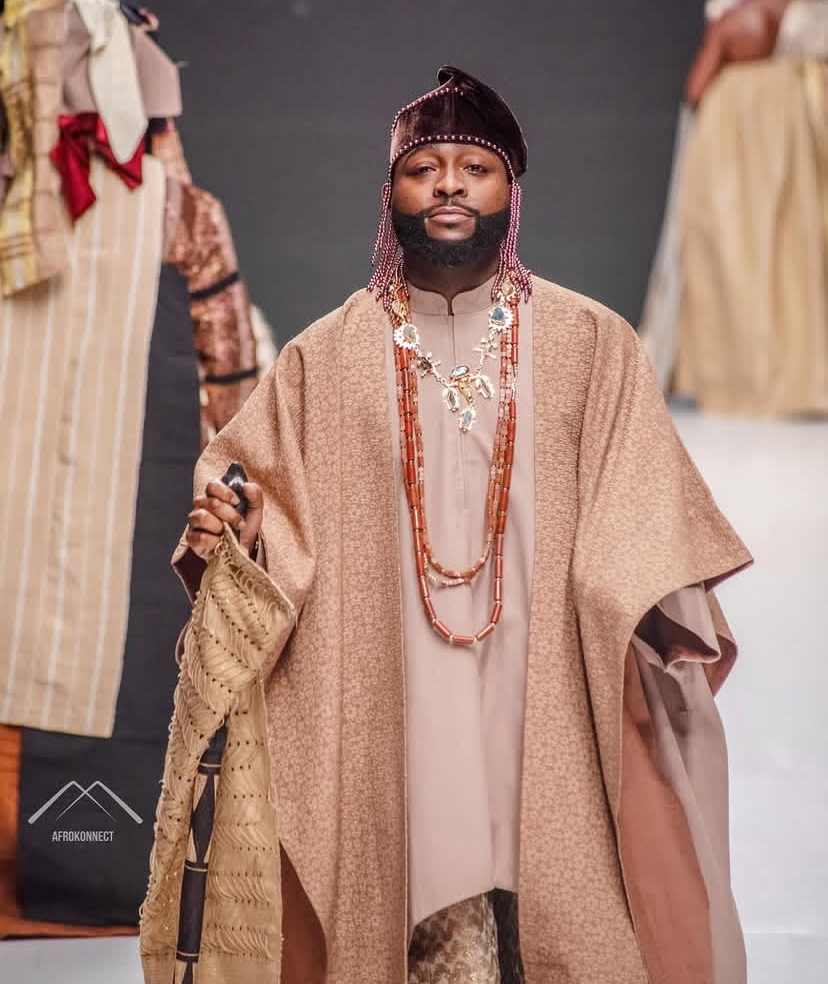 At the same time, luxury fashion discourse in Nigeria increasingly intersects with conversations about authenticity and representation. Some critics argue that excessive emphasis on foreign labels risks overshadowing indigenous design innovation. Others view global luxury adoption as part of a broader process of cultural exchange in which African creatives are no longer peripheral but central participants. The debate itself reflects the growing maturity of Nigeria’s fashion ecosystem.
Ultimately, celebrity fashion in Nigeria is less about garments than about meaning. Through clothing, public figures communicate ambition, heritage, global alignment, and social standing. Luxury operates as vocabulary within this visual language, one that audiences understand intuitively even when it remains unspoken.
In this sense, celebrity fashion functions as both mirror and message. It reflects the aspirations of a society negotiating modernity, visibility, and cultural pride, while simultaneously shaping how success is imagined and displayed. In Nigeria’s cultural landscape, what celebrities wear often says as much about the nation’s evolving identity as anything they might say aloud.
At the same time, luxury fashion discourse in Nigeria increasingly intersects with conversations about authenticity and representation. Some critics argue that excessive emphasis on foreign labels risks overshadowing indigenous design innovation. Others view global luxury adoption as part of a broader process of cultural exchange in which African creatives are no longer peripheral but central participants. The debate itself reflects the growing maturity of Nigeria’s fashion ecosystem.
Ultimately, celebrity fashion in Nigeria is less about garments than about meaning. Through clothing, public figures communicate ambition, heritage, global alignment, and social standing. Luxury operates as vocabulary within this visual language, one that audiences understand intuitively even when it remains unspoken.
In this sense, celebrity fashion functions as both mirror and message. It reflects the aspirations of a society negotiating modernity, visibility, and cultural pride, while simultaneously shaping how success is imagined and displayed. In Nigeria’s cultural landscape, what celebrities wear often says as much about the nation’s evolving identity as anything they might say aloud.