

Luxury Fashion in Nigeria: Craftsmanship, Culture, and Conscious Consumption
- Posted on 25 February, 2026
- By Jasmine
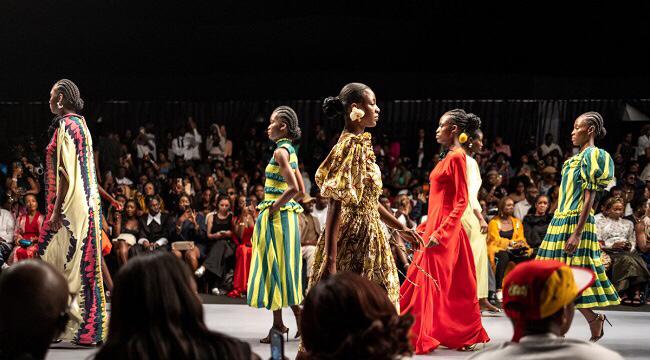
In contemporary Nigeria, where fashion functions as both cultural expression and economic signal, the question of whether luxury represents enduring craftsmanship or simply overpriced fabric has become increasingly urgent. From Lagos Fashion Week runways to meticulously curated Instagram feeds, clothing is no longer merely about aesthetics; it is about identity, aspiration, and social positioning. Globally, the luxury market continues to expand despite economic uncertainty, and Nigeria, home to a rapidly evolving middle and upper class, occupies a central role in that conversation. As consumers become more sophisticated and digitally informed, the modern fashion debate has shifted from admiration to critical evaluation.
Luxury fashion was historically anchored in artisanal mastery. European heritage houses built reputations on meticulous hand-finishing, rare materials, and generational skills passed through ateliers. The premium attached to such garments reflected labor, scarcity, and technical excellence. In its purest form, luxury justified its price through longevity and craftsmanship. However, as the global industry consolidated under multinational conglomerates, scale altered the equation. Production expanded, marketing budgets grew, and brand storytelling became as critical as the product itself. Today, a luxury price tag often reflects not only material quality but decades of cultivated mythology.
In Nigeria, this dynamic carries particular resonance. Fashion is deeply social, with weddings, milestone celebrations, award ceremonies, and high-profile gatherings functioning as arenas where clothing communicates achievement. In a society where upward mobility is celebrated and scrutinized alike, visible markers of success carry significant weight. A recognisable logo can signal arrival. Yet the same culture that elevates luxury is increasingly questioning it. Younger Nigerians, exposed to global discussions on sustainability, value retention, and conscious spending, are asking what they are truly paying for.
Celebrity influence further complicates the debate. When global icons or Nigerian entertainers align themselves with luxury brands, they transfer cultural authority to those labels. Garments become more than fabric; they embody proximity to a curated lifestyle. Social media has accelerated this phenomenon. A single red-carpet appearance can turn an item into a coveted object. Yet influence does not always equate to intrinsic value. Consumers may be purchasing symbolism rather than substance, and in such cases, luxury shifts from material excellence to emotional currency.
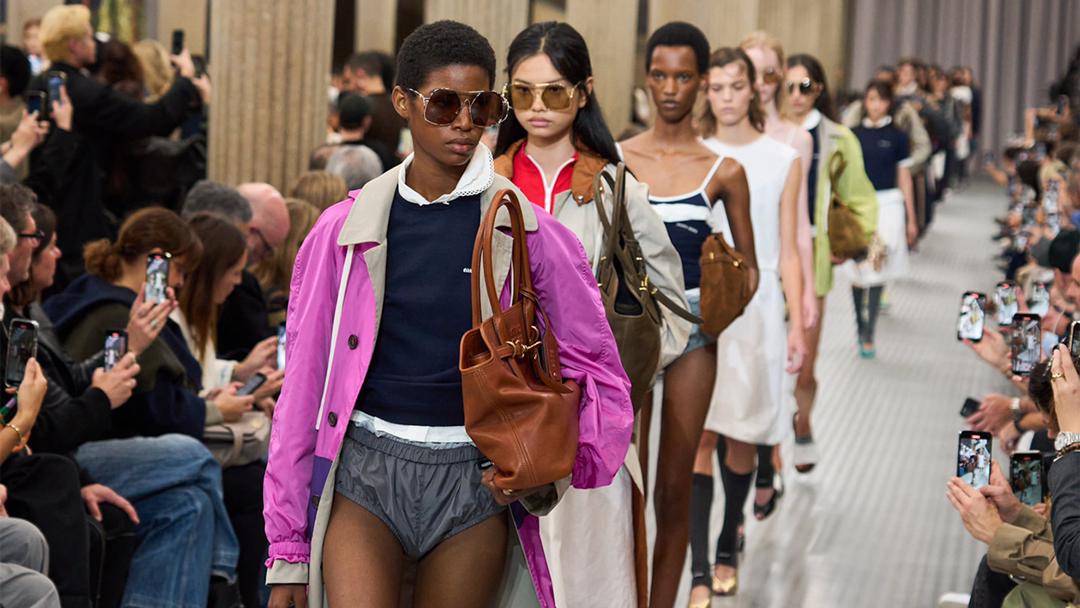 At the same time, Nigeria’s own fashion industry has matured significantly. Designers across Lagos and Abuja now produce couture-level garments that rival international standards in construction and detail. These pieces often combine cultural storytelling, hand-beading traditions, and bespoke tailoring, reflecting genuine labor intensity. Ironically, local craftsmanship sometimes faces skepticism when priced at luxury levels, while imported labels enjoy unquestioned prestige. This disparity illustrates how branding power can overshadow objective evaluation of quality.
The rise of “quiet luxury” globally has reframed the conversation further. Discreet tailoring, minimal logos, and understated silhouettes now signal a type of wealth less concerned with visibility and more with discernment. Yet in emerging markets like Nigeria, visible branding retains strong appeal. For many first-generation affluent consumers, recognisable emblems validate expenditure. The country straddles both sensibilities. While segments of its elite lean toward subtlety, social media continues to reward bold, identifiable statements. The coexistence of these aesthetics demonstrates that luxury is not monolithic; it adapts to the psychology of its audience.
Fast fashion adds another layer of complexity. Mass-produced alternatives replicate runway trends within weeks, weakening the exclusivity narrative of traditional luxury. Consumers can mimic high-end silhouettes at a fraction of the cost, challenging the assumption that design innovation belongs solely to premium houses. However, speed often sacrifices durability and ethical production standards. Choosing between fast fashion and luxury therefore becomes not only an economic but also an ethical decision, encompassing sustainability, labor, and environmental considerations.
Ultimately, the debate is less about fabric and more about perception. Luxury, at its best, represents heritage, skill, and artistic continuity. At its most inflated, it capitalizes on aspiration and scarcity marketing. Responsibility now lies with the consumer to distinguish between the two. Nigerian buyers, increasingly exposed to both global discourse and local excellence, are better positioned than ever to make informed choices. They are learning that price does not automatically equal value and that authenticity cannot be stitched on as an afterthought.
At the same time, Nigeria’s own fashion industry has matured significantly. Designers across Lagos and Abuja now produce couture-level garments that rival international standards in construction and detail. These pieces often combine cultural storytelling, hand-beading traditions, and bespoke tailoring, reflecting genuine labor intensity. Ironically, local craftsmanship sometimes faces skepticism when priced at luxury levels, while imported labels enjoy unquestioned prestige. This disparity illustrates how branding power can overshadow objective evaluation of quality.
The rise of “quiet luxury” globally has reframed the conversation further. Discreet tailoring, minimal logos, and understated silhouettes now signal a type of wealth less concerned with visibility and more with discernment. Yet in emerging markets like Nigeria, visible branding retains strong appeal. For many first-generation affluent consumers, recognisable emblems validate expenditure. The country straddles both sensibilities. While segments of its elite lean toward subtlety, social media continues to reward bold, identifiable statements. The coexistence of these aesthetics demonstrates that luxury is not monolithic; it adapts to the psychology of its audience.
Fast fashion adds another layer of complexity. Mass-produced alternatives replicate runway trends within weeks, weakening the exclusivity narrative of traditional luxury. Consumers can mimic high-end silhouettes at a fraction of the cost, challenging the assumption that design innovation belongs solely to premium houses. However, speed often sacrifices durability and ethical production standards. Choosing between fast fashion and luxury therefore becomes not only an economic but also an ethical decision, encompassing sustainability, labor, and environmental considerations.
Ultimately, the debate is less about fabric and more about perception. Luxury, at its best, represents heritage, skill, and artistic continuity. At its most inflated, it capitalizes on aspiration and scarcity marketing. Responsibility now lies with the consumer to distinguish between the two. Nigerian buyers, increasingly exposed to both global discourse and local excellence, are better positioned than ever to make informed choices. They are learning that price does not automatically equal value and that authenticity cannot be stitched on as an afterthought.
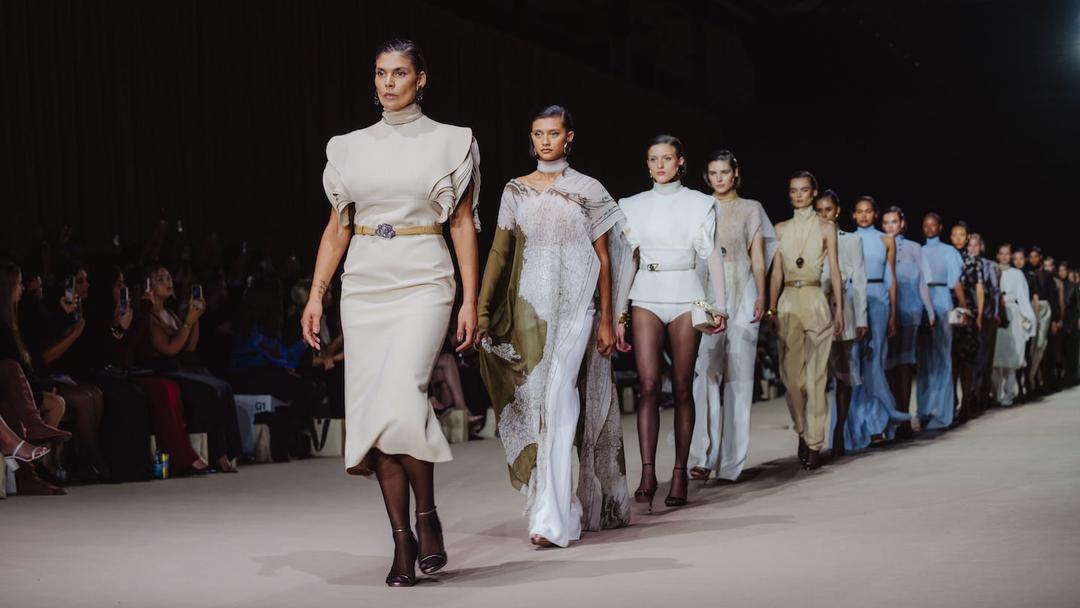 The modern fashion conversation will not be resolved by dismissing luxury outright nor by accepting it uncritically. It demands a discerning perspective, one that weighs craftsmanship against branding, longevity against trend, and personal identity against social pressure. In a culture where clothing carries narrative power, perhaps the most meaningful shift is not in what is worn, but in how consciously it is chosen.