

Red Carpet Royalty: The Best Dressed at 2026’s Defining Events Across Lagos, Abuja and Beyond
- Posted on 25 February, 2026
- By Doro Roland
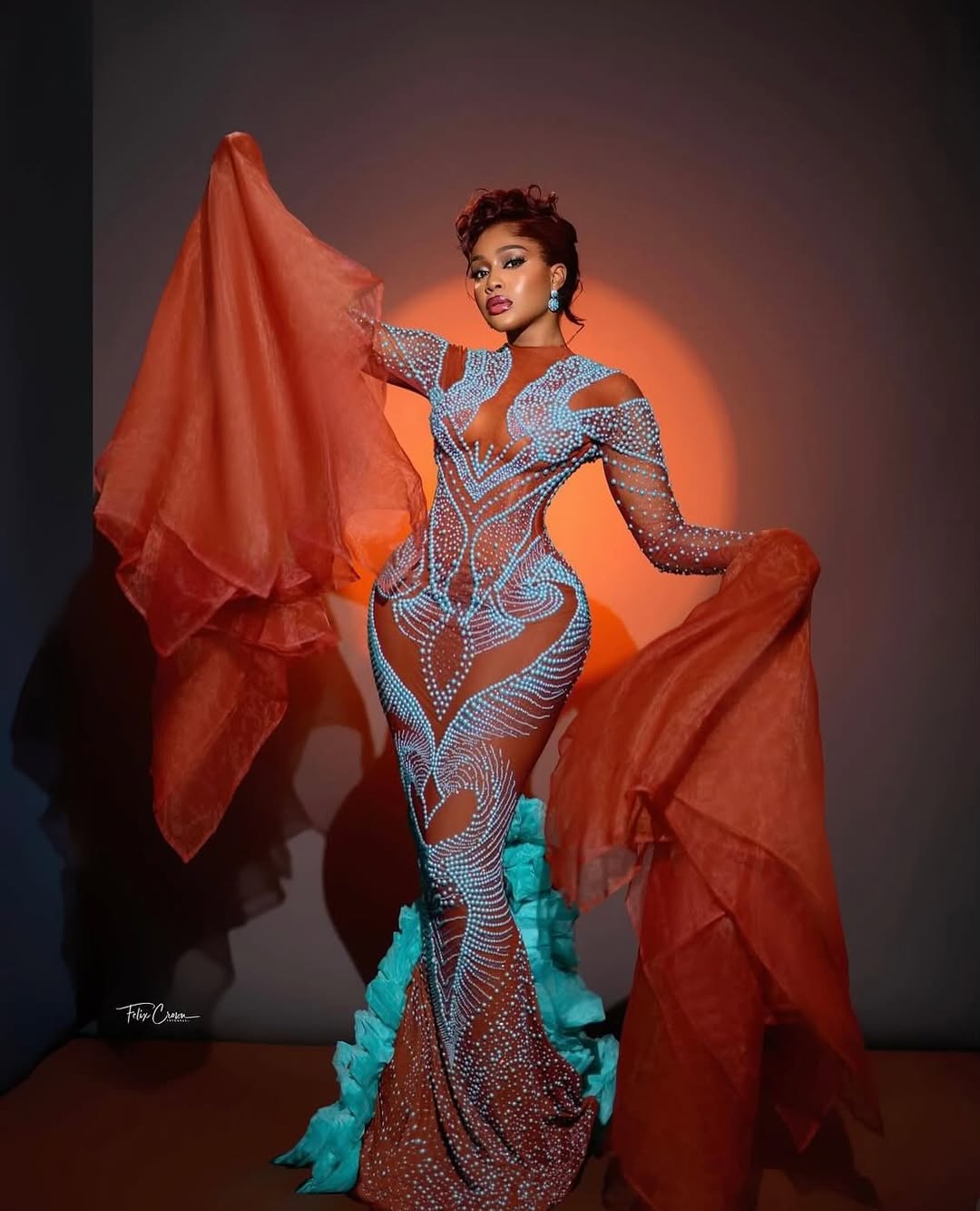
If the first months of 2026 are any indication, Nigerian fashion is no longer simply participating in the global red carpet conversation. It is shaping it. From Lagos premieres to Abuja galas and international platforms such as the Fifteen Percent Pledge Gala, Nigerian celebrities are commanding attention through bold, structured, and culturally grounded design choices that balance high-fashion drama with refined elegance.
On the international stage, Ayra Starr delivered one of the year’s defining moments in Tia Adeola at the Fifteen Percent Pledge Gala. The ensemble fused romantic detailing with contemporary edge, reinforcing her evolution from Gen Z pop star to a global style authority. Sharing that spotlight, Jackie Aina embraced classic red-carpet glamour in a custom Sevon Dejana creation, demonstrating that timeless silhouettes retain impact when executed with precision.
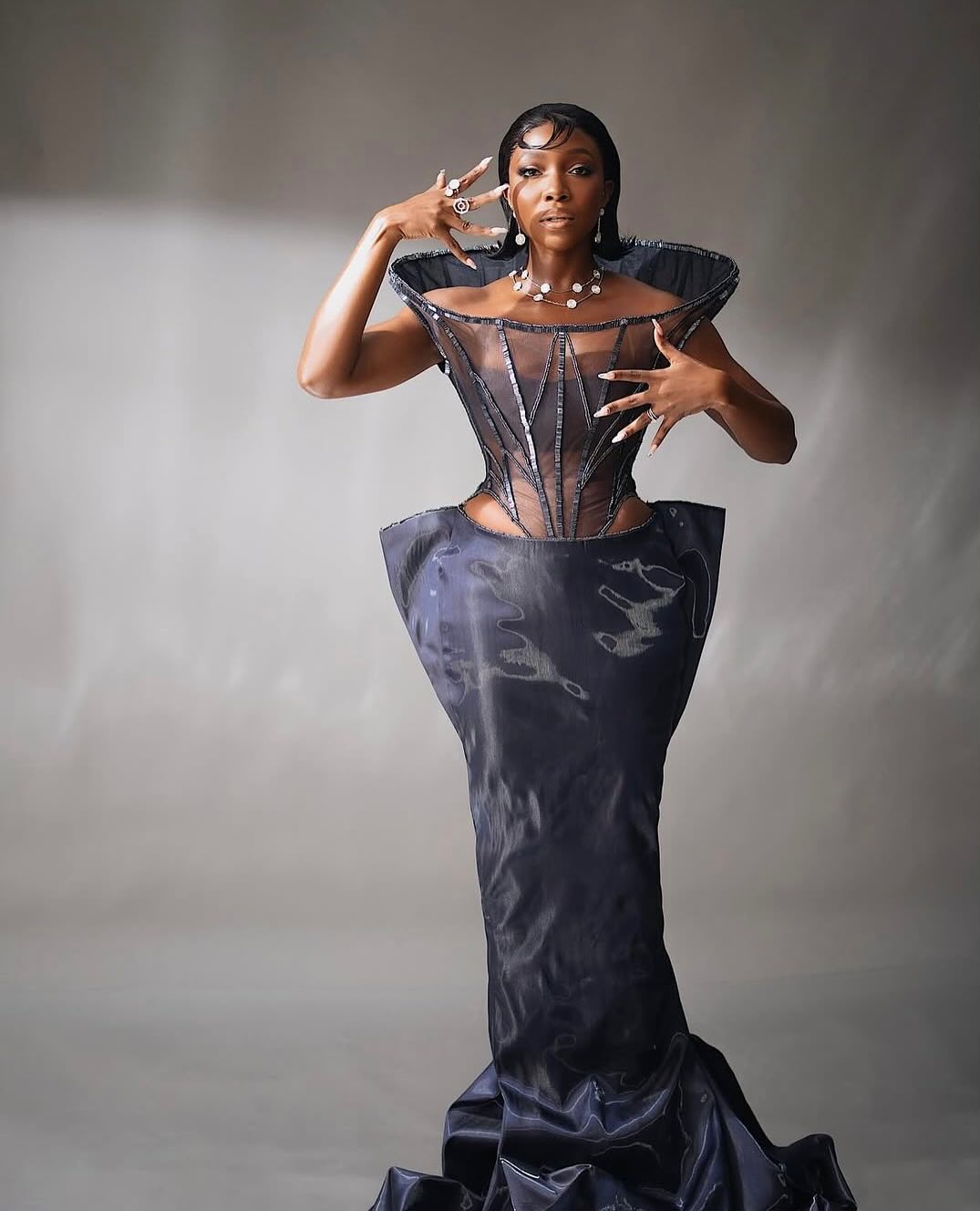 Equally compelling was Chloe Bailey in Weiz Dhurm Franklyn, showcasing the intricate craftsmanship emblematic of Nigerian design excellence. Olandria Carthen’s striking orange House of Marvee gown illustrated how confident colour and sculptural construction can instantly define a red-carpet narrative.
At home, Nigerian glamour has been equally deliberate. Mercy Eke ushered in the New Year in a bridal-inspired white gown by Xta Queen Designz, featuring a thigh-high slit, feathered stole, and oversized hat, embracing theatrical femininity with poise. Bimbo Ademoye shimmered in metallic confidence in Ciar Official, her cropped V-neck silhouette reflecting a modern, self-assured aesthetic.
Valentine’s season further amplified the drama. Dorathy Bachor and Tonto Dikeh each opted for corseted red gowns—structured, high-glamour pieces that celebrated romance while reaffirming the continuing prominence of sculpted tailoring.
Equally compelling was Chloe Bailey in Weiz Dhurm Franklyn, showcasing the intricate craftsmanship emblematic of Nigerian design excellence. Olandria Carthen’s striking orange House of Marvee gown illustrated how confident colour and sculptural construction can instantly define a red-carpet narrative.
At home, Nigerian glamour has been equally deliberate. Mercy Eke ushered in the New Year in a bridal-inspired white gown by Xta Queen Designz, featuring a thigh-high slit, feathered stole, and oversized hat, embracing theatrical femininity with poise. Bimbo Ademoye shimmered in metallic confidence in Ciar Official, her cropped V-neck silhouette reflecting a modern, self-assured aesthetic.
Valentine’s season further amplified the drama. Dorathy Bachor and Tonto Dikeh each opted for corseted red gowns—structured, high-glamour pieces that celebrated romance while reaffirming the continuing prominence of sculpted tailoring.
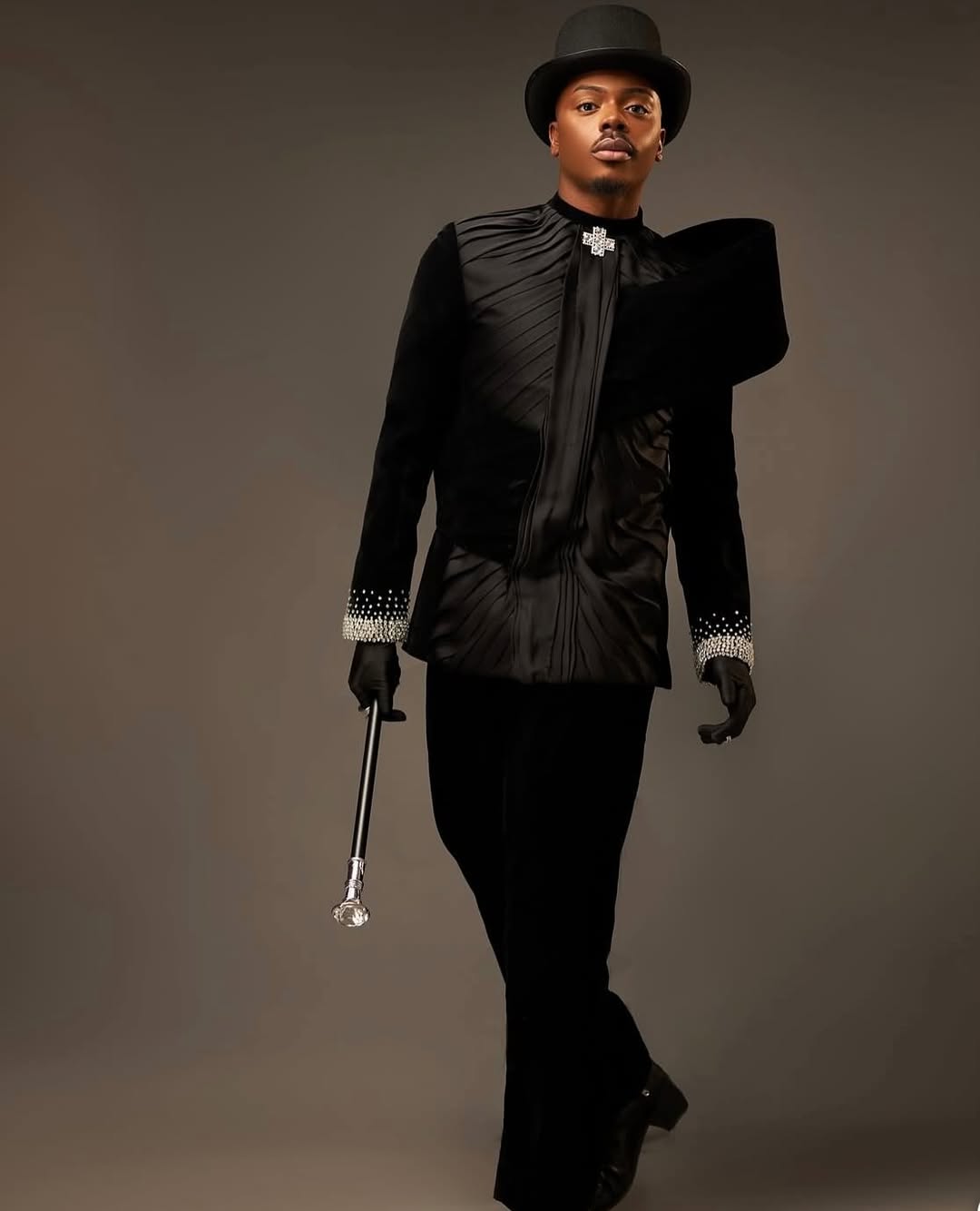 Beyond individual looks, a broader pattern emerges. Nigerian celebrities are increasingly aligning with designers who understand structure, storytelling, and cultural nuance. Whether at Nollywood-inspired premieres or fashion-forward galas, architectural silhouettes, rich textures, and heritage-infused details have become defining features.
In 2026, being best dressed is not a question of excess. It is a measure of clarity, identity, and intentionality. Across Lagos, Abuja, and international red carpets, Nigerian stars are proving that when fashion is exercised with purpose, it becomes influence. And this year, that influence is unmistakably Nigerian.
Beyond individual looks, a broader pattern emerges. Nigerian celebrities are increasingly aligning with designers who understand structure, storytelling, and cultural nuance. Whether at Nollywood-inspired premieres or fashion-forward galas, architectural silhouettes, rich textures, and heritage-infused details have become defining features.
In 2026, being best dressed is not a question of excess. It is a measure of clarity, identity, and intentionality. Across Lagos, Abuja, and international red carpets, Nigerian stars are proving that when fashion is exercised with purpose, it becomes influence. And this year, that influence is unmistakably Nigerian.