

Top 5 Most Influential Nigerian Women in Culture
- Posted on 23 February, 2026
- By Ekpokpobe ogheneyole
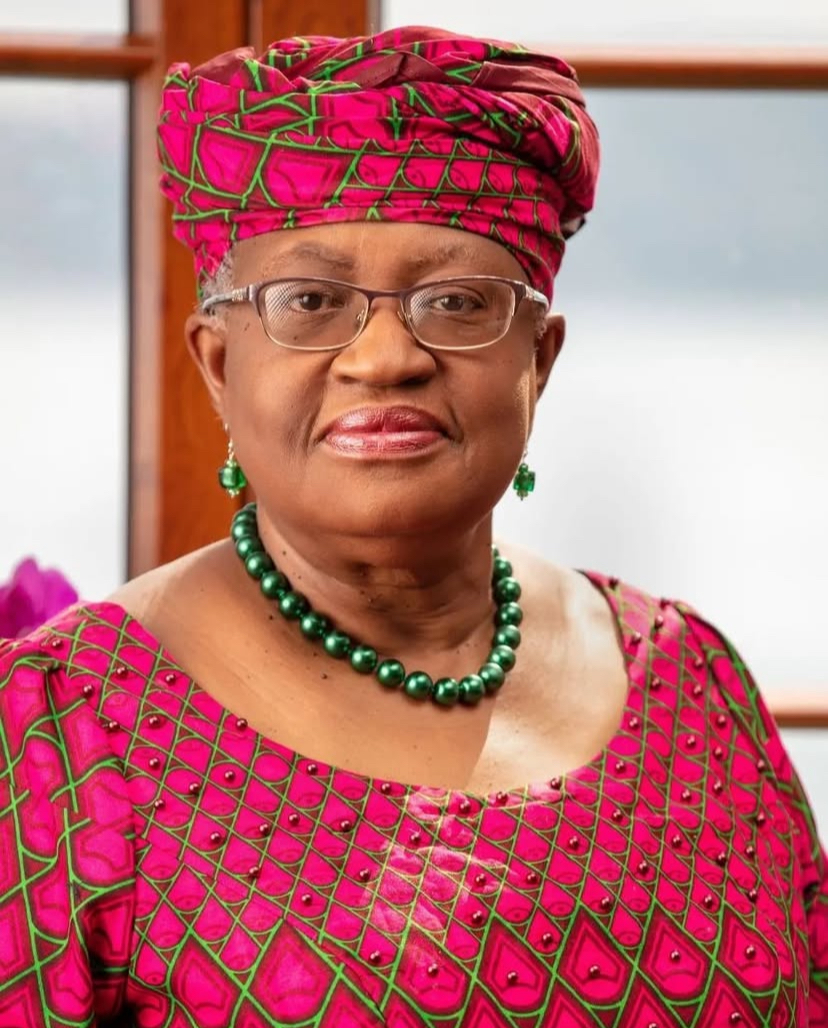
In the first quarter of 2026, influence within Nigeria’s cultural landscape has proven to be less about visibility and more about sustained impact across industries that shape identity, commerce, and global perception. Nigerian women continue to occupy pivotal positions in music, film, fashion, policy, and media, driving conversations that extend beyond entertainment. Their authority is measured not simply in headlines, but in the cultural direction they define, the economic ecosystems they strengthen, and the narratives they reposition on international platforms.
Ngozi Okonjo-Iweala represents Nigeria at the highest levels of global economic governance. As Director-General of the World Trade Organization, her leadership carries profound symbolic and practical weight. Okonjo-Iweala’s visibility on international policy platforms reinforces Nigeria’s intellectual and diplomatic capital, demonstrating that cultural influence is also exercised through economic negotiation, global advocacy, and institutional reform. Her prominence shapes perceptions of Nigerian competence and authority far beyond creative industries, anchoring cultural pride in policy leadership.
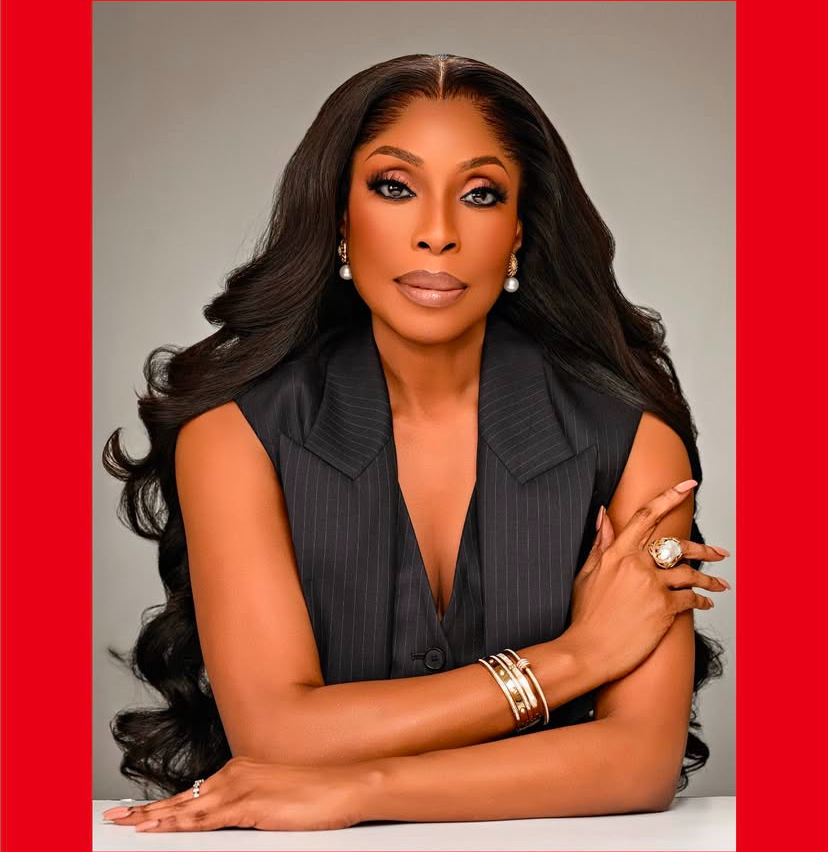 In media and storytelling infrastructure, Mo Abudu remains one of the most influential architects of African content distribution. Through strategic partnerships, global production deals, and sustained investment in high-quality projects, she continues to expand the reach of Nigerian narratives beyond continental borders. Her leadership illustrates how influence can be institutional as well as individual, shaping frameworks that outlast any single production cycle.
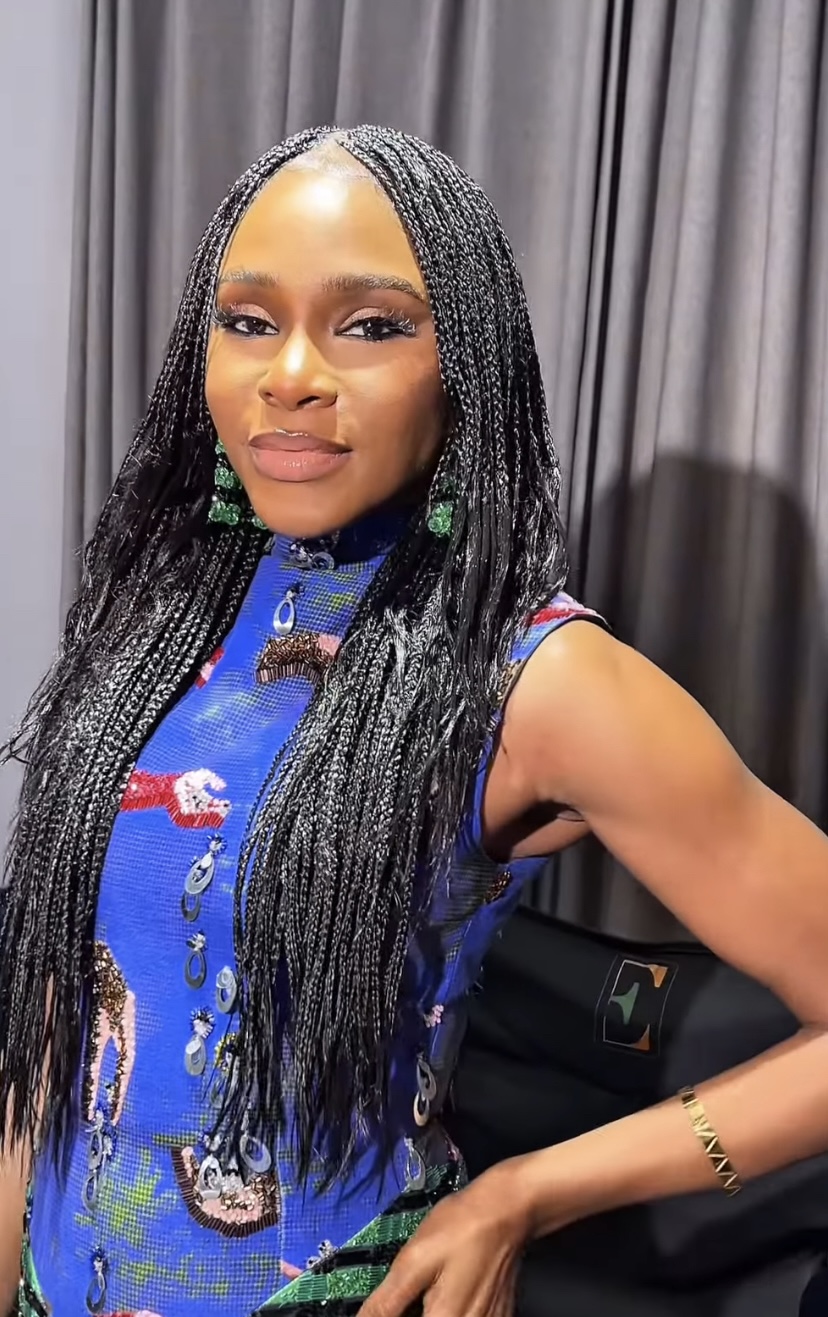 Fashion’s global dialogue continues to carry the imprint of Lisa Folawiyo. Known for elevating traditional Ankara textiles into contemporary luxury, Folawiyo represents the intersection of heritage and innovation. Her international showcases reaffirm Nigeria’s place within global style conversations, proving that cultural specificity can serve as a foundation for worldwide appeal rather than a limitation.
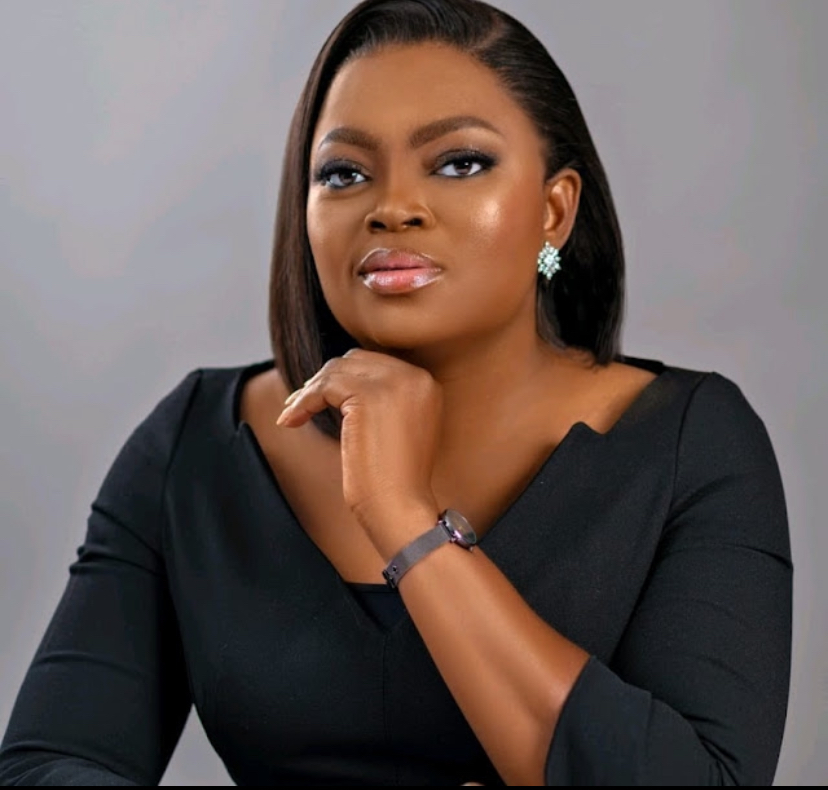 In film and cultural storytelling, Funke Akindele remains a formidable force. Her sustained box office dominance and production leadership underscore Nollywood’s commercial viability while demonstrating the power of female-led storytelling in shaping mainstream narratives. Akindele’s influence extends into mentorship and industry structure, reinforcing pathways for emerging creatives within an increasingly competitive market.
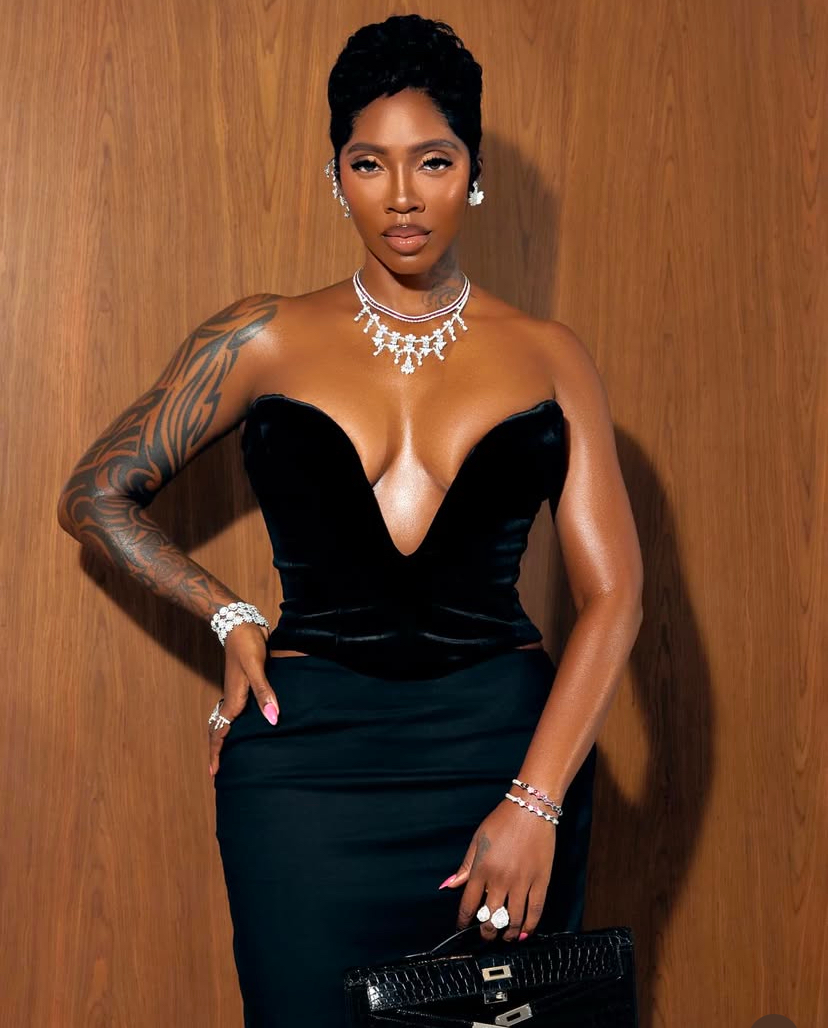 Among the most influential this quarter is Tiwa Savage, whose longevity and reinvention continue to anchor her relevance in an industry defined by rapid shifts. Beyond hit records, her influence lies in her role as one of Afrobeats’ most visible female pioneers on global stages. Through cross-border collaborations, headline performances, and sustained brand partnerships, she has expanded the international footprint of Nigerian female artistry while maintaining a distinctive cultural identity rooted in homegrown storytelling and sonic versatility.
Together, these women exemplify a broader transformation within Nigeria’s national narrative. Their influence is not confined to performance or aesthetics; it is structural, economic, diplomatic, and cultural. As Q1 2026 closes, their continued prominence highlights a defining reality of Nigeria’s global moment: Nigerian women are not only participating in consequential spaces they are shaping them, expanding their reach, and redefining what influence means across industries and borders.
Among the most influential this quarter is Tiwa Savage, whose longevity and reinvention continue to anchor her relevance in an industry defined by rapid shifts. Beyond hit records, her influence lies in her role as one of Afrobeats’ most visible female pioneers on global stages. Through cross-border collaborations, headline performances, and sustained brand partnerships, she has expanded the international footprint of Nigerian female artistry while maintaining a distinctive cultural identity rooted in homegrown storytelling and sonic versatility.
Together, these women exemplify a broader transformation within Nigeria’s national narrative. Their influence is not confined to performance or aesthetics; it is structural, economic, diplomatic, and cultural. As Q1 2026 closes, their continued prominence highlights a defining reality of Nigeria’s global moment: Nigerian women are not only participating in consequential spaces they are shaping them, expanding their reach, and redefining what influence means across industries and borders.