

Artistry Versus Enterprise: What Defines True Longevity in Today’s Industry?
- Posted on 19 February, 2026
- By Doro Roland

In Nigeria’s fast evolving entertainment landscape, success is no longer measured solely by chart topping singles or sold out arenas. Longevity, once defined simply by staying power in music or film, has become a more layered equation. Today, it rests at the intersection of two powerful forces: artistry and enterprise. One builds legacy through creative excellence. The other secures relevance through strategic expansion. Together, they form the modern blueprint for endurance in an industry that rarely stands still.
Artistry remains the emotional core of celebrity culture. It is the intangible quality that transforms performers into cultural reference points and projects into generational touchstones. Artists like Asa exemplify this devotion to craft. Known for meticulous songwriting and a restrained public presence, she has built a career anchored in musical integrity rather than spectacle. Her longevity flows from consistency, albums that age with grace, performances that prioritise musicianship, and a brand that resists dilution. In her case, artistry itself functions as enterprise, with depth as the defining product.
Similarly, Wande Coal established his reputation through vocal excellence and formative contributions to the evolution of Afrobeats. Though not constantly at the centre of media cycles, his influence remains embedded in the soundscape of contemporary Nigerian music. Artistry in this sense operates as cultural capital, subtle yet enduring, resurfacing whenever conversations turn to vocal mastery and the genre’s progression.
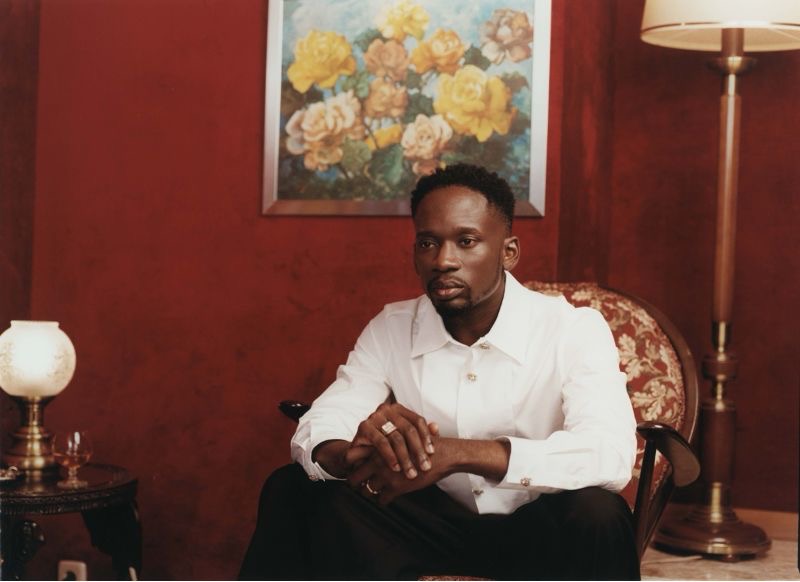 Enterprise, however, has increasingly emerged as the stabilising force within a volatile industry. In an era shaped by streaming platforms and rapidly shifting audience preferences, diversification has become both protection and strategy. Don Jazzy represents this evolution. While his production credentials remain significant, his longevity is equally tied to business vision. Through label development, talent incubation, and strategic brand positioning, he has transformed from celebrated producer to industry institution. His relevance extends beyond personal artistry into ecosystem building, demonstrating that enterprise can outlast individual moments of creative peak.
Mr Eazi offers another example of this expansion minded approach. Beyond his music career, his involvement in technology and music financing reflects a broader commitment to ownership and structural growth within the global music economy. By investing in platforms that support emerging African talent, he positions himself not only as an artist but as a facilitator of opportunity. In this model, enterprise becomes a vehicle for long term influence.
Cinema presents parallel narratives. Kunle Afolayan has built his career on cinematic craftsmanship, prioritising narrative depth and production quality. His films project a deliberate seriousness that reinforces his reputation as a steward of Nigerian storytelling. In contrast yet complementary fashion, Funke Akindele balances creative output with commercial scale, turning storytelling into a formidable production enterprise. Her ability to merge cultural relatability with box office performance illustrates how enterprise can amplify rather than overshadow artistic identity.
Enterprise, however, has increasingly emerged as the stabilising force within a volatile industry. In an era shaped by streaming platforms and rapidly shifting audience preferences, diversification has become both protection and strategy. Don Jazzy represents this evolution. While his production credentials remain significant, his longevity is equally tied to business vision. Through label development, talent incubation, and strategic brand positioning, he has transformed from celebrated producer to industry institution. His relevance extends beyond personal artistry into ecosystem building, demonstrating that enterprise can outlast individual moments of creative peak.
Mr Eazi offers another example of this expansion minded approach. Beyond his music career, his involvement in technology and music financing reflects a broader commitment to ownership and structural growth within the global music economy. By investing in platforms that support emerging African talent, he positions himself not only as an artist but as a facilitator of opportunity. In this model, enterprise becomes a vehicle for long term influence.
Cinema presents parallel narratives. Kunle Afolayan has built his career on cinematic craftsmanship, prioritising narrative depth and production quality. His films project a deliberate seriousness that reinforces his reputation as a steward of Nigerian storytelling. In contrast yet complementary fashion, Funke Akindele balances creative output with commercial scale, turning storytelling into a formidable production enterprise. Her ability to merge cultural relatability with box office performance illustrates how enterprise can amplify rather than overshadow artistic identity.
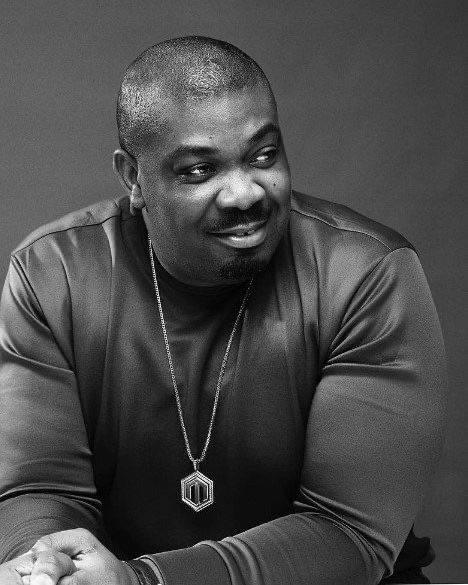 Globally, Nigeria’s entertainment industry commands greater visibility than ever before. International collaborations, award recognition, and cross border investment have raised expectations and intensified competition. In this environment, artistry secures credibility, but enterprise safeguards continuity. One ensures cultural respect. The other guarantees structural resilience.
The relationship between the two is not adversarial. The most enduring figures achieve equilibrium, protecting the sanctity of their craft while constructing frameworks that extend beyond it. Art without strategic foresight risks fading into nostalgia. Strategy without authentic artistry risks becoming hollow. True longevity demands both creative substance and institutional strength.
As Nigeria continues to assert its creative influence on the global stage, the central question persists. Is lasting relevance defined by the purity of one’s art or by the breadth of one’s enterprise? The answer may vary depending on perspective, but the industry’s future will belong to those who recognise the necessity of both.
Globally, Nigeria’s entertainment industry commands greater visibility than ever before. International collaborations, award recognition, and cross border investment have raised expectations and intensified competition. In this environment, artistry secures credibility, but enterprise safeguards continuity. One ensures cultural respect. The other guarantees structural resilience.
The relationship between the two is not adversarial. The most enduring figures achieve equilibrium, protecting the sanctity of their craft while constructing frameworks that extend beyond it. Art without strategic foresight risks fading into nostalgia. Strategy without authentic artistry risks becoming hollow. True longevity demands both creative substance and institutional strength.
As Nigeria continues to assert its creative influence on the global stage, the central question persists. Is lasting relevance defined by the purity of one’s art or by the breadth of one’s enterprise? The answer may vary depending on perspective, but the industry’s future will belong to those who recognise the necessity of both.