

Debate over Chioma Adeleke�s Grammy outfit, which has stirred conversation about fashion, cultural expectations and media judgement
- Posted on 03 February, 2026
- By Admin
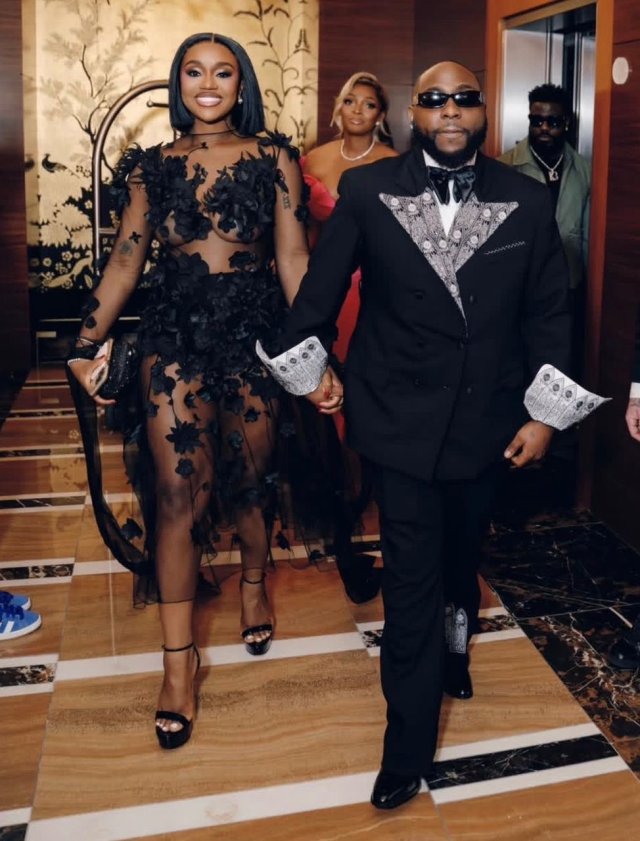
The Grammy Awards have long functioned as a mirror of global culture, reflecting not only musical excellence but the evolving expectations placed on public figures who step into its spotlight. This year, beyond the performances and trophies, attention turned toward Chioma Adeleke following Davido�s Grammy appearance, as debate over her outfit ignited a broader conversation about fashion, visibility, and the often-unforgiving gaze of media judgment. What might otherwise have been a fleeting red-carpet moment became a cultural touchpoint, particularly for Nigerian audiences attuned to the intersections of celebrity, respectability, and modern identity.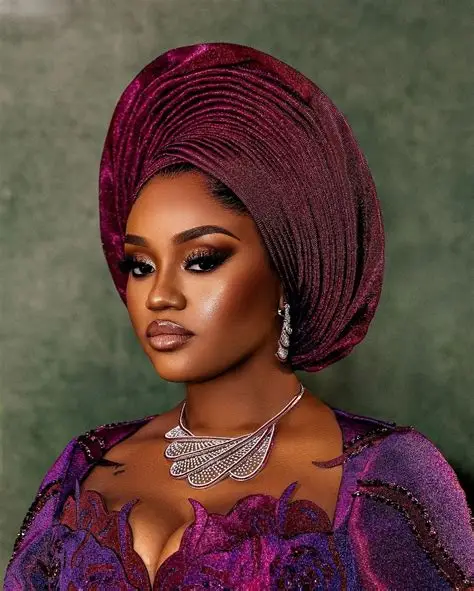 Chioma Adeleke�s presence at the Grammys carried symbolic weight even before discussions of style emerged. As the partner of one of Africa�s most globally recognised music stars, her appearance was inevitably read as an extension of Davido�s public narrative, despite her own preference for a relatively private life. The scrutiny of her outfit, therefore, was less about fabric or silhouette and more about expectation�about how a woman associated with power, fame, and wealth is presumed to present herself on an international stage. The range of reactions, from praise for understated elegance to criticism framed as concern over appropriateness, revealed how quickly personal style choices become moralised in the public arena.
At the heart of the debate lies a familiar tension within Nigerian and broader African celebrity culture: the balancing act between modern global fashion sensibilities and deeply ingrained cultural standards. For some observers, Chioma�s look was interpreted through the lens of traditional respectability, where modesty is often conflated with dignity, particularly for women linked to prominent men. For others, her outfit represented autonomy and restraint, a refusal to conform to exaggerated expectations of glamour or performative opulence. These differing readings underscore how fashion, especially on women, is rarely allowed to exist as a neutral form of self-expression.
Chioma Adeleke�s presence at the Grammys carried symbolic weight even before discussions of style emerged. As the partner of one of Africa�s most globally recognised music stars, her appearance was inevitably read as an extension of Davido�s public narrative, despite her own preference for a relatively private life. The scrutiny of her outfit, therefore, was less about fabric or silhouette and more about expectation�about how a woman associated with power, fame, and wealth is presumed to present herself on an international stage. The range of reactions, from praise for understated elegance to criticism framed as concern over appropriateness, revealed how quickly personal style choices become moralised in the public arena.
At the heart of the debate lies a familiar tension within Nigerian and broader African celebrity culture: the balancing act between modern global fashion sensibilities and deeply ingrained cultural standards. For some observers, Chioma�s look was interpreted through the lens of traditional respectability, where modesty is often conflated with dignity, particularly for women linked to prominent men. For others, her outfit represented autonomy and restraint, a refusal to conform to exaggerated expectations of glamour or performative opulence. These differing readings underscore how fashion, especially on women, is rarely allowed to exist as a neutral form of self-expression.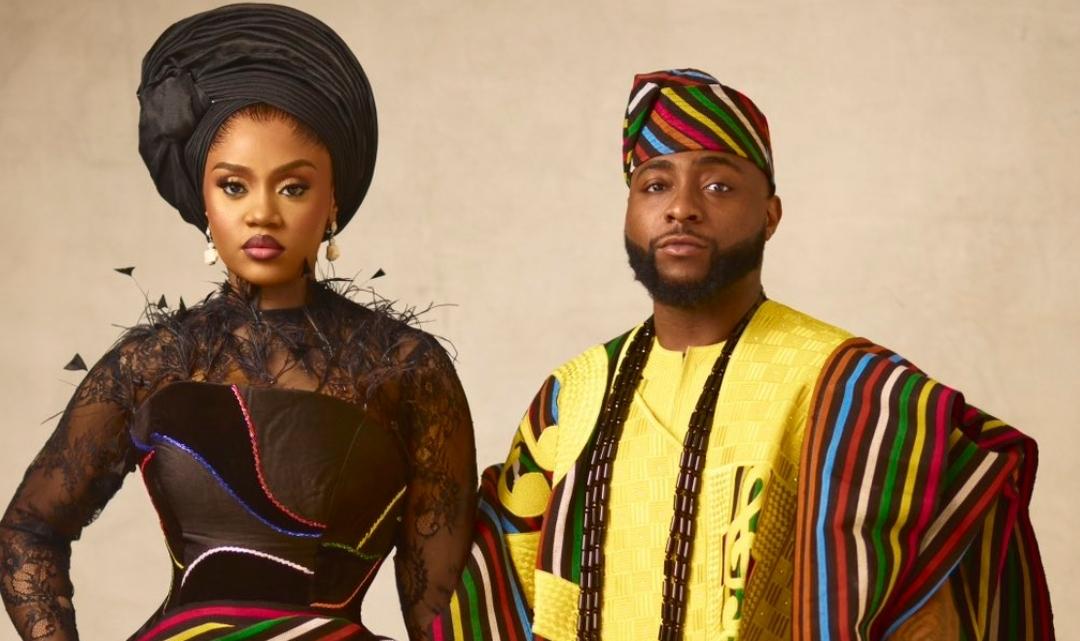 The media�s role in amplifying this discourse cannot be overlooked. In an era where social media commentary is rapidly elevated into headlines, nuanced conversations are often flattened into binaries of approval and disapproval. Chioma Adeleke�s outfit became a proxy for larger judgments about class, taste, and �deservingness� of visibility, raising questions about why women adjacent to fame are subjected to standards that male counterparts, and even female artists themselves, are often spared. The scrutiny speaks to a persistent discomfort with women who occupy high-profile spaces without actively courting public attention.
For Nigerian audiences, the debate also reflects a shifting cultural landscape. As Nigerian artists and their families increasingly occupy global platforms, local audiences are renegotiating what representation means abroad. There is pride in visibility, but also anxiety about perception�about how Nigeria is seen and who is deemed a suitable emblem of that image. Chioma�s Grammy appearance, and the reaction it provoked, illustrates this push and pull between global belonging and local accountability.
The media�s role in amplifying this discourse cannot be overlooked. In an era where social media commentary is rapidly elevated into headlines, nuanced conversations are often flattened into binaries of approval and disapproval. Chioma Adeleke�s outfit became a proxy for larger judgments about class, taste, and �deservingness� of visibility, raising questions about why women adjacent to fame are subjected to standards that male counterparts, and even female artists themselves, are often spared. The scrutiny speaks to a persistent discomfort with women who occupy high-profile spaces without actively courting public attention.
For Nigerian audiences, the debate also reflects a shifting cultural landscape. As Nigerian artists and their families increasingly occupy global platforms, local audiences are renegotiating what representation means abroad. There is pride in visibility, but also anxiety about perception�about how Nigeria is seen and who is deemed a suitable emblem of that image. Chioma�s Grammy appearance, and the reaction it provoked, illustrates this push and pull between global belonging and local accountability.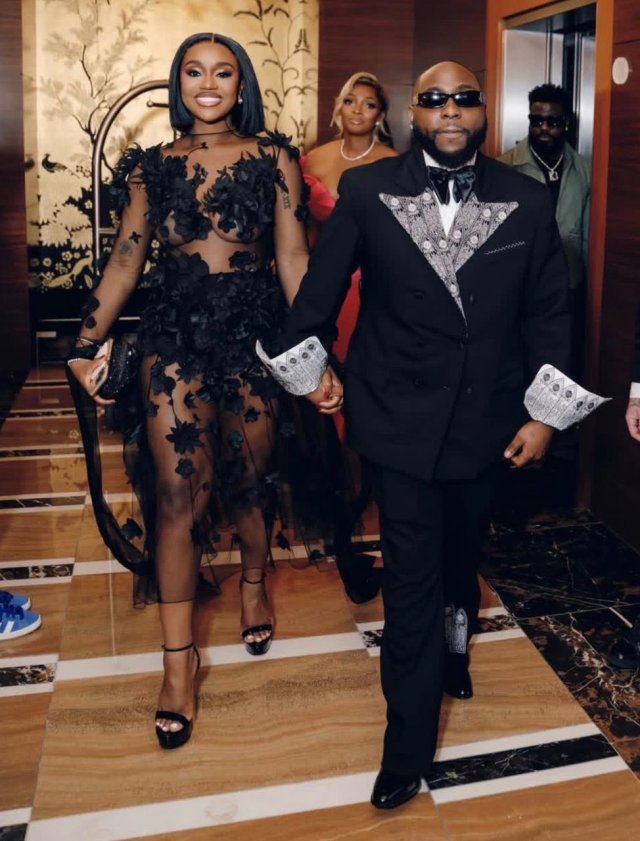 Ultimately, the conversation surrounding Chioma Adeleke�s Grammy outfit reveals more about collective expectations than individual choice. It exposes how women connected to celebrity are often denied the freedom of neutrality, their appearances endlessly interpreted as statements rather than moments. As Nigerian culture continues to assert itself confidently on the world stage, such debates invite reflection on whose standards are being upheld, and at what cost. In moving forward, there is value in allowing space for personal expression�recognising that representation does not require uniformity, and that dignity, like style, can take many forms.