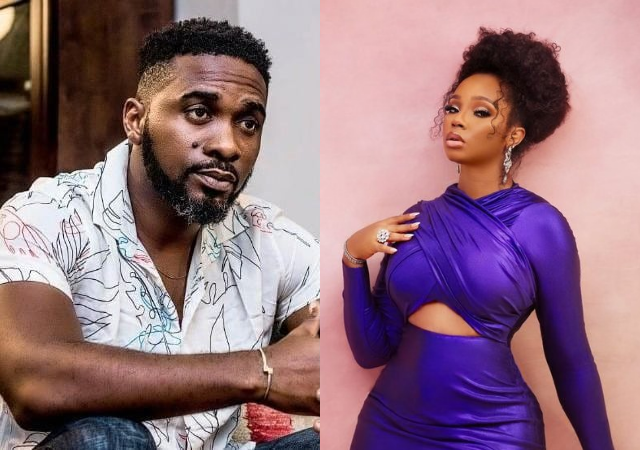
The dynamics of celebrity culture in Nigeria have long been shaped by a delicate balance between public fascination and personal boundaries. In an era defined by instant commentary and viral speculation, the private lives of entertainers frequently become subjects of intense public conversation, often without full context or careful verification. Within this climate, Nollywood actor Uzor Arukwe recently addressed online rumours linking him to fellow actor and media personality BamBam, offering a composed response that reflects a growing awareness among Nigerian celebrities about the importance of protecting personal reputation in the digital age.
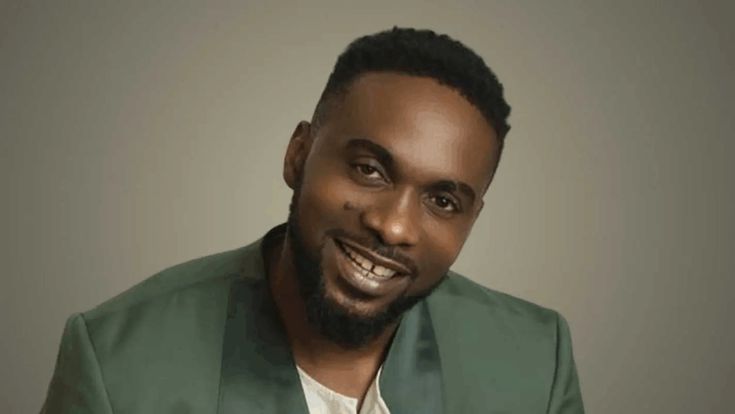
Uzor Arukwe, widely respected for his calm screen presence and increasingly prominent roles across contemporary Nollywood productions, responded publicly after speculation began circulating on social media suggesting an inappropriate connection between him and BamBam. The discussion emerged from fragments of online commentary and short video clips that quickly spread across digital platforms, drawing reactions from fans and entertainment observers. While moments of speculation are not unusual within the entertainment industry, the actor response drew attention to a broader issue that many public figures continue to confront: the rapid spread of unverified narratives that can shape public perception.
In clarifying the situation, the actor explained that the circulating interpretations were inaccurate and had been taken out of context. His remarks remained measured and respectful, reflecting a communication style that has become increasingly common among Nigerian entertainers who choose to correct misinformation without fueling further controversy. For Uzor Arukwe, the moment appeared less focused on personal defense and more aligned with reinforcing the value of responsible public conversation in a highly connected media environment.
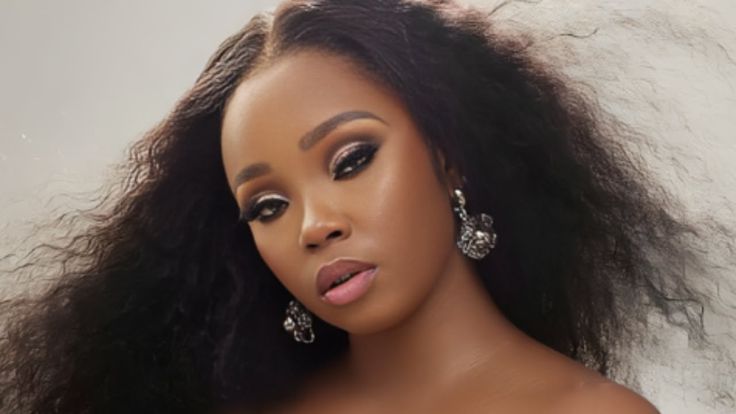
BamBam, who first gained national recognition through the widely followed reality television platform Big Brother Naija, has since built a dynamic presence within the Nigerian entertainment industry. Her transition from reality television personality to actress and media figure illustrates the evolving pathways through which contemporary Nigerian celebrities develop their careers. Today, she remains active across film, brand collaborations, and public appearances, positioning her among a generation of entertainers who maintain strong engagement with audiences both within Nigeria and across the global African diaspora.
The episode also highlights a recurring challenge within modern celebrity culture, where the speed of digital communication often intersects with intense public curiosity. In Nigeria, where Nollywood continues to strengthen its cultural influence across Africa and international markets, the reputation of actors is closely connected to the narratives that circulate within the public sphere. Social media has opened new channels through which celebrities can communicate directly with audiences, yet it has also created an environment where fragments of information can evolve into widespread assumptions before full context emerges.
Industry observers note that moments like this reflect a broader shift in how Nigerian celebrities engage with public scrutiny. Rather than relying solely on public relations representatives or maintaining silence, many now address conversations directly through their own platforms. This approach mirrors the immediacy of modern media culture while acknowledging that audiences increasingly value openness and clarity from public figures they admire.
At the same time, the situation reinforces the responsibility shared by audiences, commentators, and media platforms within the entertainment ecosystem. The rapid circulation of unverified claims has the potential to influence reputations, professional relationships, and public trust. For an industry built on storytelling and creative expression, maintaining thoughtful and responsible discourse remains essential to sustaining credibility and respect.
By responding with calm and clarity, Uzor Arukwe demonstrated a form of public engagement that places professionalism above confrontation. The moment ultimately serves as a reminder that while celebrity culture thrives on curiosity and conversation, the most enduring narratives within the Nigerian entertainment landscape are often shaped by the dignity and restraint displayed by the individuals at its center.