In the evolving landscape of Nigerian celebrity culture, the question of what truly defines influence has become increasingly complex. As the industry expands across music, film, literature, and digital media, a quiet tension has emerged between cultural authority and mass popularity. While both confer visibility and impact, they operate on different timelines and serve distinct functions within the broader cultural ecosystem. The distinction is no longer theoretical. It shapes how careers are built, how audiences engage, and how legacies are ultimately defined.
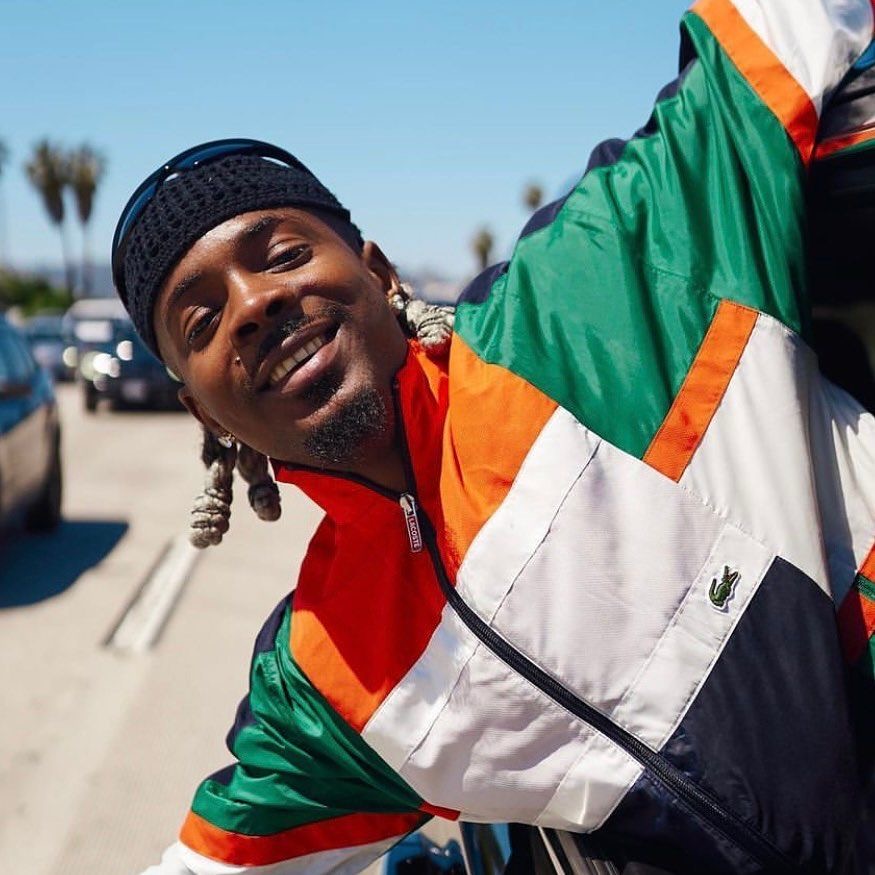
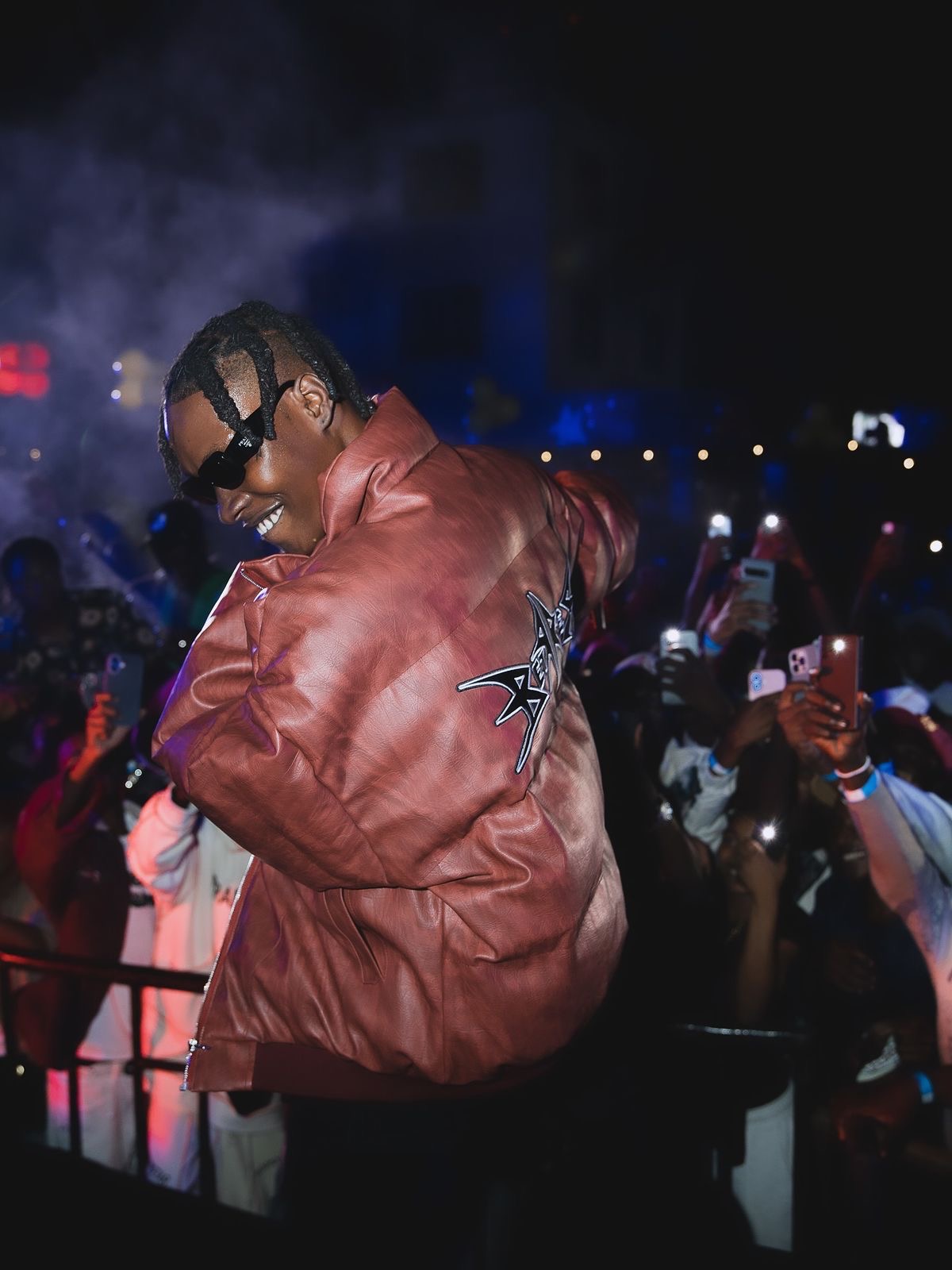
Mass popularity is immediate, expansive, and highly visible. It is driven by streaming performance, social media engagement, viral moments, and widespread recognition. Nigerian artists such as Zinoleesky and Young Jonn exemplify this form of influence, commanding large audiences through accessible sound, consistent releases, and strong alignment with current trends. Their reach cuts across demographics and geographies, positioning them at the centre of contemporary entertainment consumption.
The strength of mass popularity lies in its scale. It creates cultural moments that are shared, repeated, and amplified across platforms, fuelling commercial success, brand partnerships, and global exposure. Yet its immediacy also makes it vulnerable to fluctuation. Audience attention shifts quickly, and sustaining this level of engagement requires continuous output and adaptation. Without depth or evolution, popularity can remain confined to the present moment, powerful but ultimately transient.
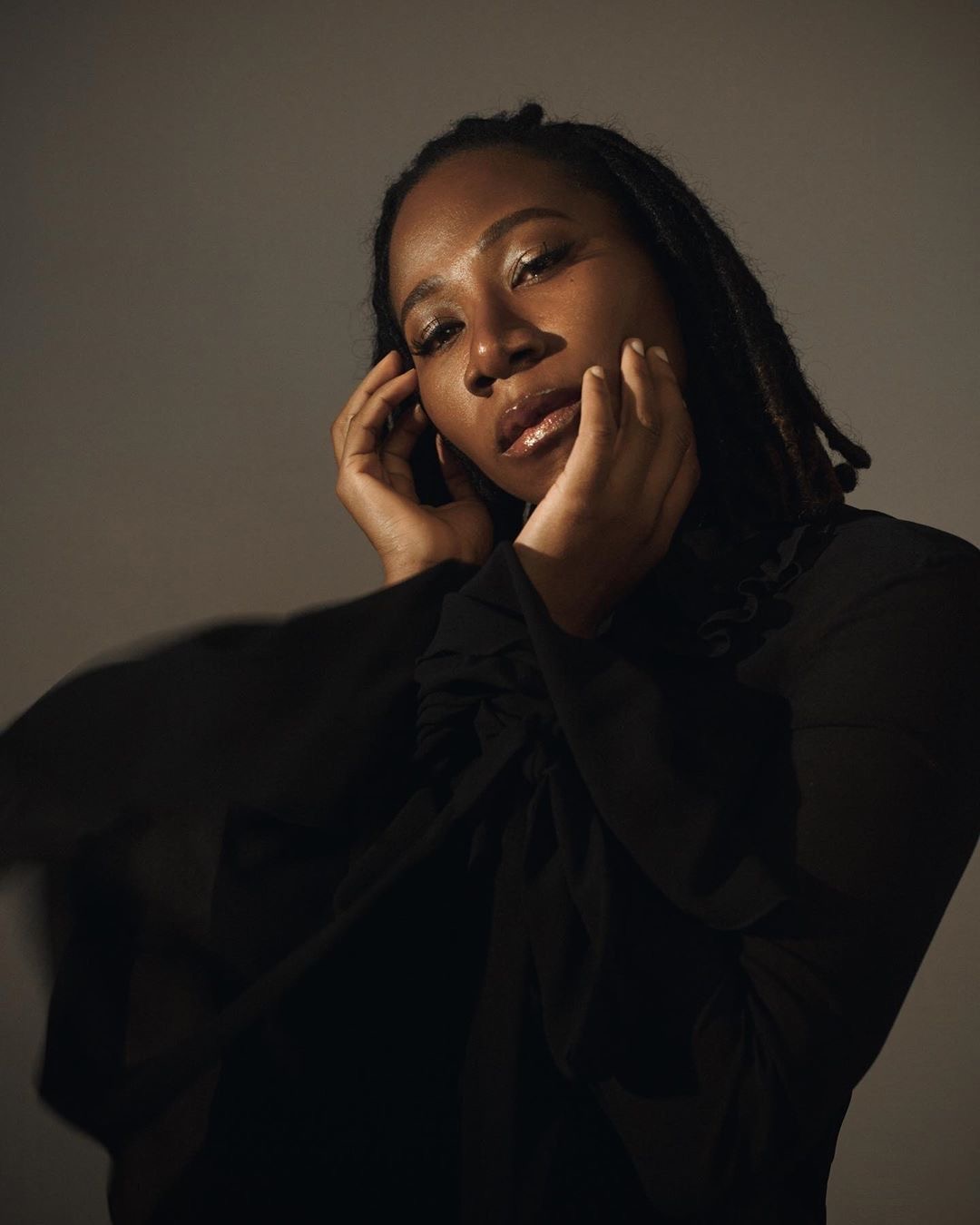
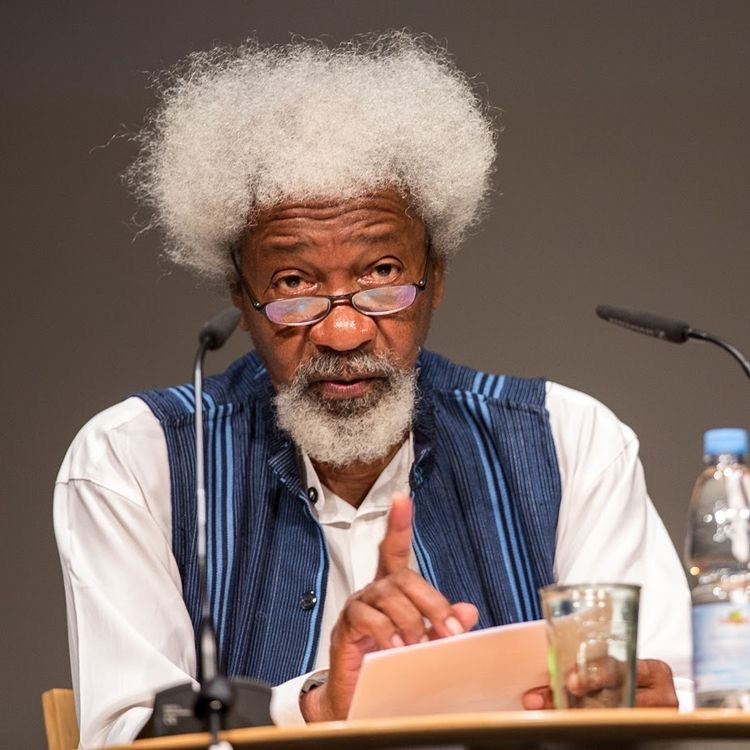
Cultural authority, by contrast, is built over time and rooted in credibility, influence, and intellectual or artistic contribution. It reflects the ability to shape conversations, define standards, and command respect within and beyond one’s immediate field. Figures such as Wole Soyinka and Asa represent this form of influence, having cultivated reputations that extend beyond mainstream metrics into enduring cultural significance. Their work resonates not only for its appeal, but for its depth, perspective, and lasting relevance.
This form of authority operates on a longer timeline. It is less dependent on constant visibility and more aligned with substance, consistency, and thoughtful engagement. Cultural authority allows for selective presence, where each appearance or release carries weight. In a global context, it often translates into respect across industries and generations, positioning individuals as reference points within cultural and intellectual discourse.
The relationship between these two forces is not strictly oppositional. Increasingly, Nigerian celebrities are navigating a space where mass popularity can evolve into cultural authority when supported by intentional growth, artistic depth, and strategic positioning. What begins as widespread appeal can mature into influence that shapes not only trends, but perspectives. At the same time, cultural authority can be amplified through broader accessibility, extending its reach without compromising its integrity.
The digital age has intensified this dynamic, placing both metrics and meaning at the forefront of public evaluation. Audiences are no longer passive consumers but active participants in shaping narratives, rewarding both visibility and substance in different ways. This has created a landscape where success is measured not only by how many people are reached, but by how deeply that impact resonates.
Ultimately, the question of which holds more weight reveals less about hierarchy and more about intention. Mass popularity dominates the present, while cultural authority defines the future. In a Nigerian context that continues to gain global recognition, the most enduring figures will be those who understand how to bridge both, transforming widespread attention into lasting significance. It is within this convergence that modern influence finds its fullest expression, where being widely known meets being meaningfully remembered.