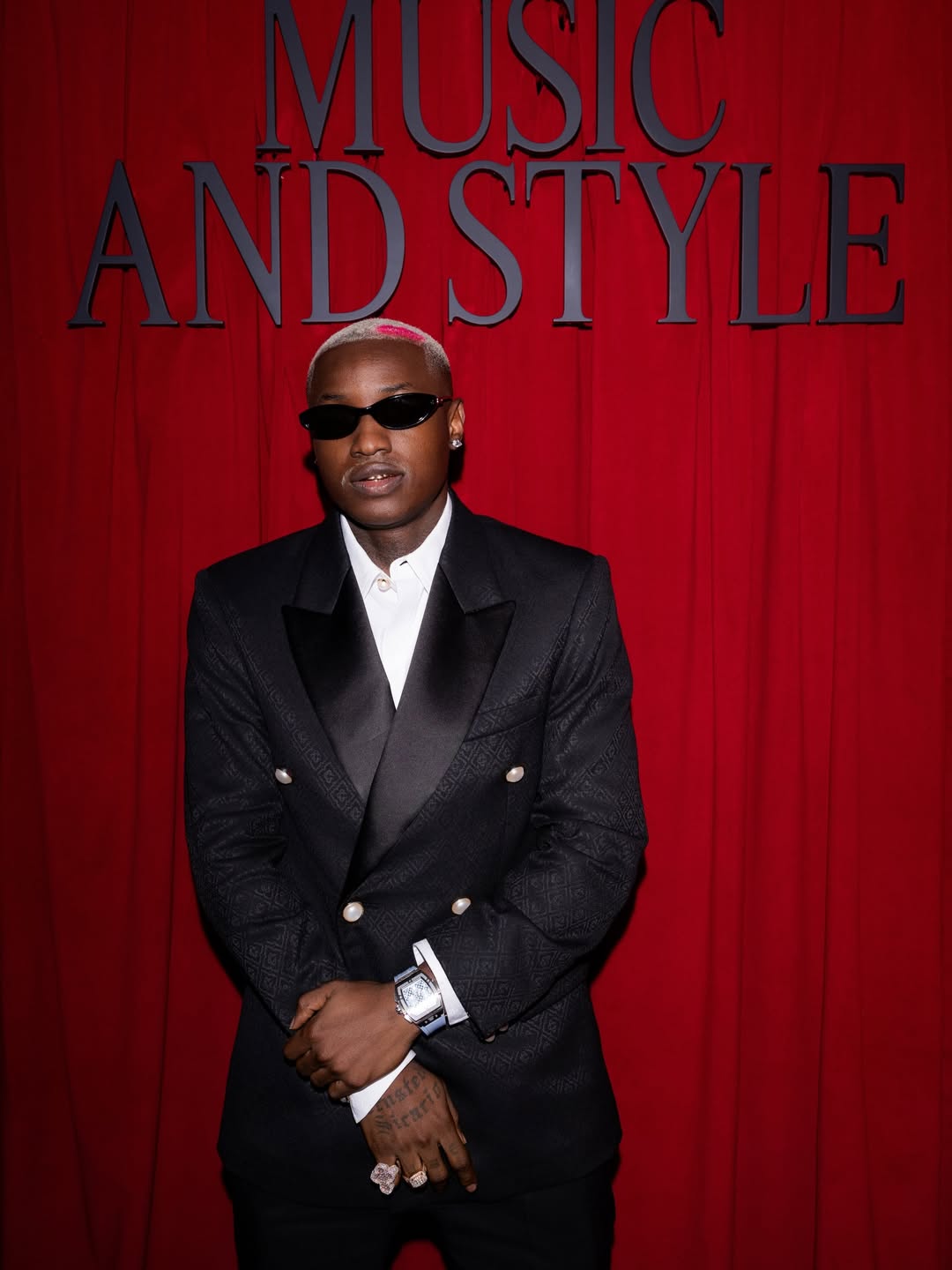
Artistic reinvention within contemporary music functions as a calculated assertion of identity, particularly for artists navigating the demands of visibility in a rapidly evolving industry. In this context, Ruger signals a decisive shift in creative direction, one that reflects both personal agency and a broader understanding of how Nigerian music operates within global circuits.
From his emergence, Ruger cultivated a recognisable persona defined by confident delivery, rhythmic precision, and a distinctive visual signature. His early sound drew heavily on dancehall inflections fused with Afrobeats sensibilities, creating a style that was immediately accessible while retaining a degree of edge. This foundation established him as an artist with clear identity, capable of commanding attention within a crowded field.
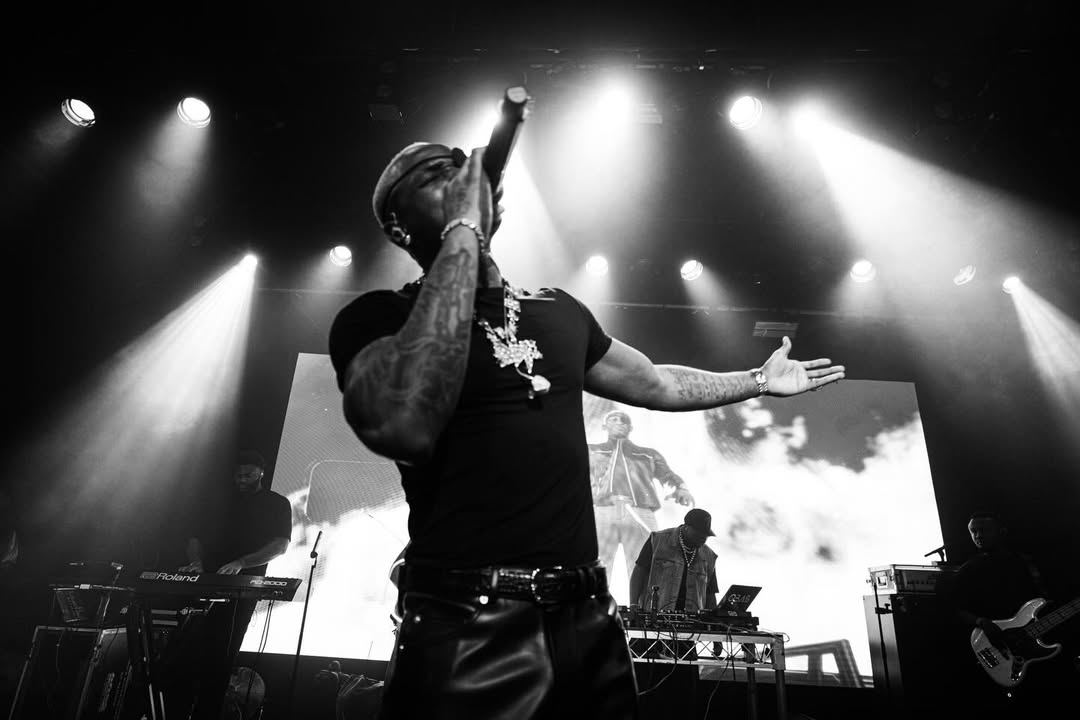
The current phase of his career suggests a movement beyond that initial framework. Rather than discarding the elements that defined his ascent, Ruger appears to be expanding them, incorporating broader sonic influences and more varied thematic expressions. There is an emerging emphasis on versatility, with shifts in tempo, vocal tone, and production choices that indicate a willingness to explore new creative territories without compromising coherence.
This transition is also reflective of structural changes within the industry. Nigerian artists are increasingly positioned within a global marketplace that rewards adaptability as much as consistency. Audiences across regions engage with music differently, and sustaining relevance requires an ability to move between these contexts with fluency. Ruger's evolving sound can be understood as a response to this reality, aligning his artistry with a more expansive listening environment.
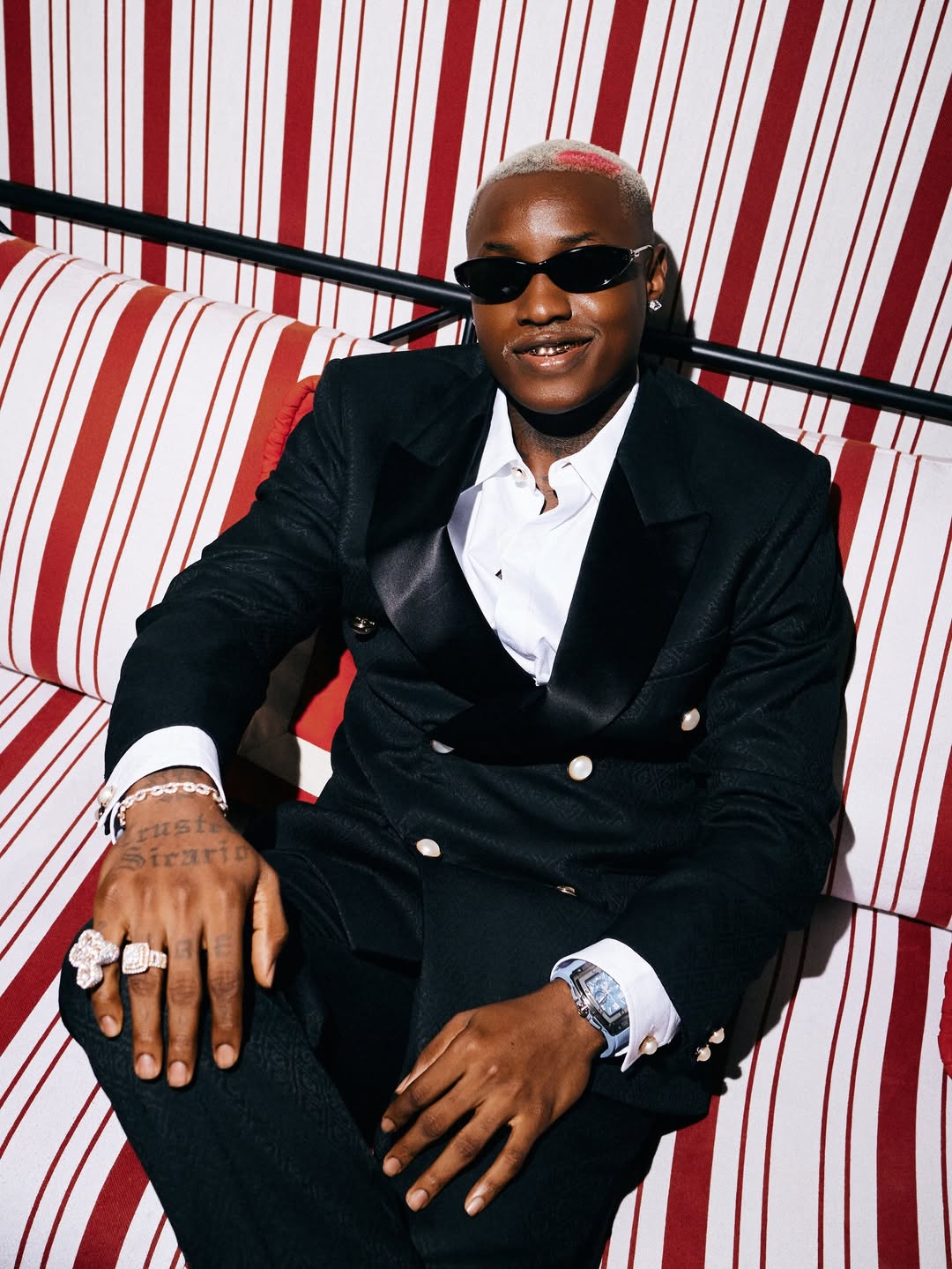
Equally important is the recalibration of narrative. As artists mature, their public personas often undergo refinement, shifting from singular identity markers toward more layered representations. In this regard, Ruger's new phase suggests a broader articulation of self, one that extends beyond the immediacy of early branding into a more nuanced creative presence. This allows for deeper audience engagement and a more sustainable artistic trajectory.
The role of production and collaboration further reinforces this shift. Engaging with diverse creative inputs enables a reconfiguration of sound that feels intentional rather than reactive. The resulting music carries a sense of progression, where experimentation is guided by a clear understanding of artistic direction. For Ruger, this balance between exploration and control is central to defining the contours of his next chapter.
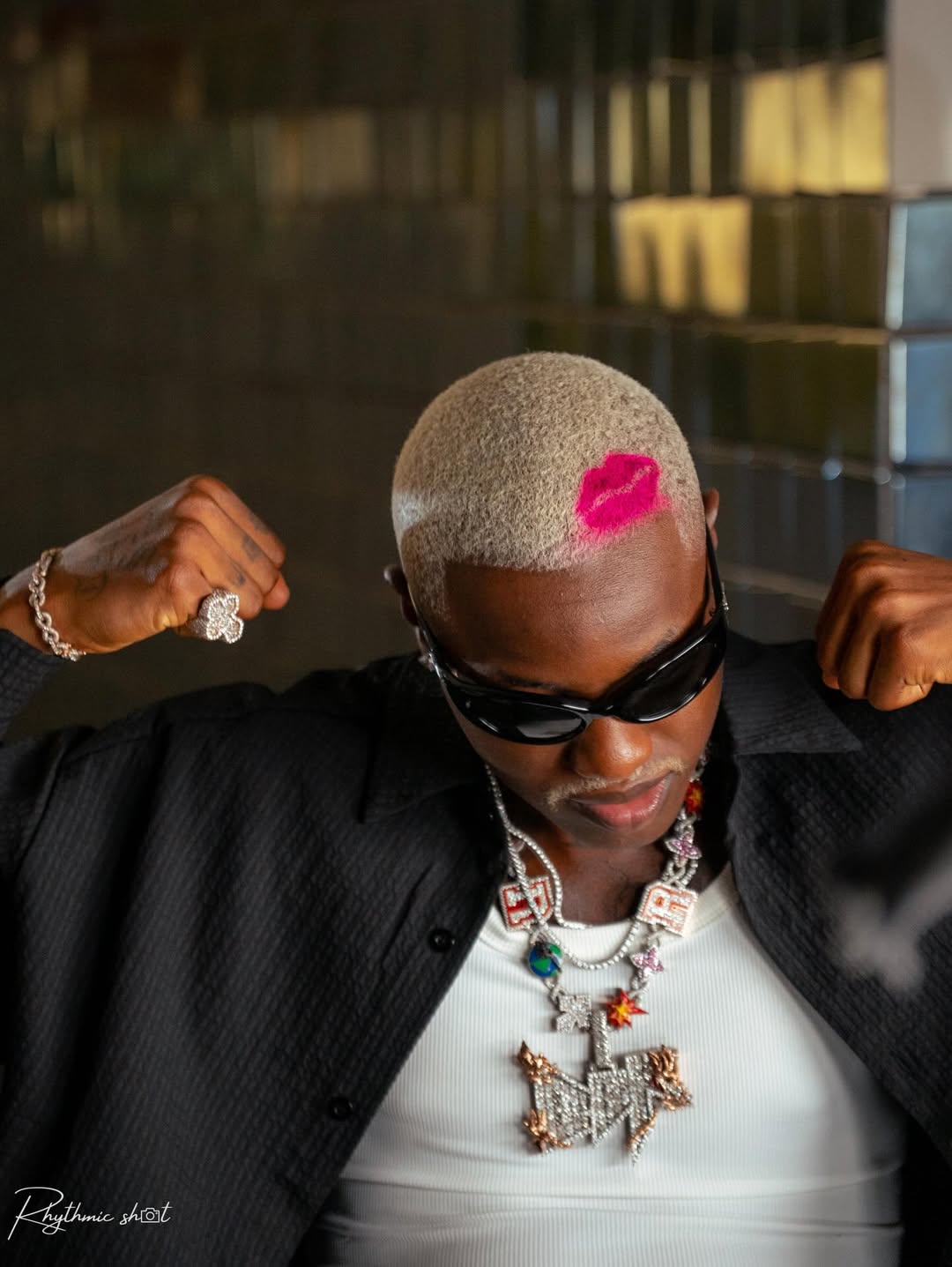
There remains an inherent tension in any period of transition. Audiences often develop strong attachments to an artist's initial identity, and departures from that framework can invite both curiosity and resistance. Navigating this requires precision, ensuring that innovation enhances rather than obscures the qualities that first established connection. Ruger's approach suggests an awareness of this dynamic, positioning change as an extension of identity rather than a rupture.
Ultimately, this new phase speaks to a larger conversation about longevity within Nigerian music. It underscores the importance of evolution as a deliberate practice, one that allows artists to remain relevant without sacrificing authenticity. In charting this path, Ruger contributes to an ongoing redefinition of what sustained success can look like within both local and global contexts, inviting continued engagement with the possibilities of his artistry.