In today’s Nigerian entertainment landscape, fame is no longer sustained by visibility alone, but by the deliberate balance between what is projected to the public and what is carefully managed behind the scenes. As the industry expands in scale and global relevance, stardom has evolved into a calculated construct where every appearance, silence, and decision contributes to a larger narrative. This shift has brought into focus two defining forces shaping modern celebrity influence: public appeal and private strategy.
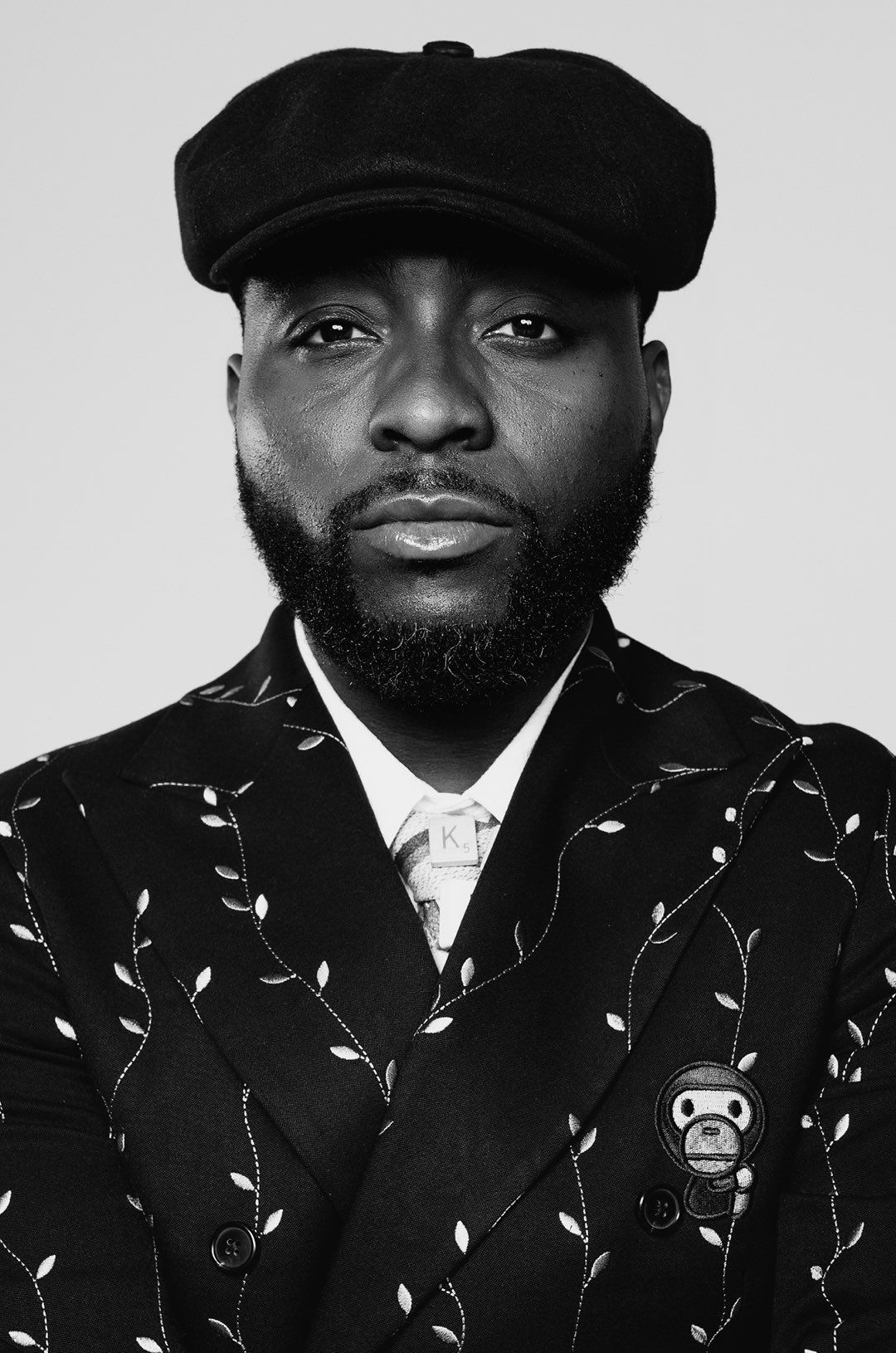
Public appeal remains the most visible dimension of celebrity. It is cultivated through performances, interviews, social media engagement, and brand alignment. Nigerian artists such as Tiwa Savage and Davido exemplify this outward facing approach, maintaining strong connections with audiences through accessibility, personality, and consistent interaction. Their openness creates a sense of proximity, transforming admiration into loyalty. In a competitive environment, this visibility ensures they remain central to cultural conversations and public consciousness.
[image1]
The strength of public appeal lies not only in frequency, but in relatability. Audiences increasingly gravitate toward figures who present a sense of authenticity, whose narratives extend beyond polished imagery. Storytelling has therefore become essential to visibility, with celebrities sharing moments of growth, achievement, and personal reflection. When managed effectively, public appeal becomes more than exposure. It evolves into emotional connection, a form of influence that sustains relevance across changing cultural cycles.
Private strategy operates alongside this visibility as the often unseen framework that shapes long term direction. It encompasses career planning, brand positioning, partnership decisions, and the timing of releases and appearances. Figures such as Burna Boy and Tems illustrate the effectiveness of this approach, maintaining a measured public presence while executing carefully considered moves on global stages. Their careers reflect intentional pacing, where each project, collaboration, and appearance aligns with a broader narrative of artistic and commercial growth.
[image2]
Private strategy allows for greater narrative control in an environment where information circulates rapidly. By limiting overexposure and prioritising quality, celebrities can shape perception rather than react to constant public demand. This approach carries particular significance within a global context, where Nigerian artists are engaging international markets that require consistency, professionalism, and a clearly defined identity.
The interaction between these two forces defines the modern celebrity experience. Public appeal generates attention, while private strategy transforms that attention into sustained influence. Without visibility, even the most carefully structured career risks obscurity. Without strategy, constant exposure can dilute identity and shorten relevance. The most successful Nigerian celebrities understand this balance, carefully calibrating what is shared and what is reserved.
[image3]
This balance is further shaped by the realities of digital culture, where audiences expect immediacy while also valuing exclusivity. Social media platforms encourage continuous engagement, yet intrigue is often maintained through restraint. In this context, absence can carry as much weight as presence, creating anticipation that strengthens the impact of each reappearance.
Ultimately, the relationship between public appeal and private strategy reflects a broader evolution in how fame is constructed and sustained in Nigeria. As the industry continues to expand its global influence, the ability to navigate both visibility and discretion remains essential. Modern stardom is no longer a singular performance, but a carefully managed duality where what is revealed and what is protected work together to define not only how celebrities are seen, but how they endure.