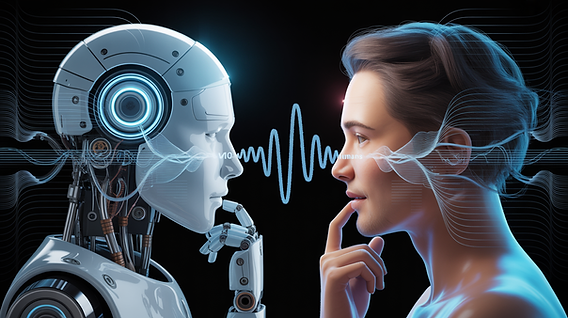
Artificial Intelligence is no longer operating at the margins of the music industry. It has become embedded within the creative and commercial process, influencing how music is produced, distributed, and discovered. From songwriting assistance to automated mastering and audience targeting, AI is steadily reshaping the structure of modern music, raising new questions about authorship, ownership, and artistic identity.
At its core, AI functions through pattern recognition. It studies existing sounds, lyrical structures, and listener behavior, then applies that data to generate or refine musical output. This introduces a level of efficiency that the industry has not experienced before. Producers can develop instrumentals within minutes, while labels can use predictive tools to identify trends and anticipate audience preferences with increasing accuracy.
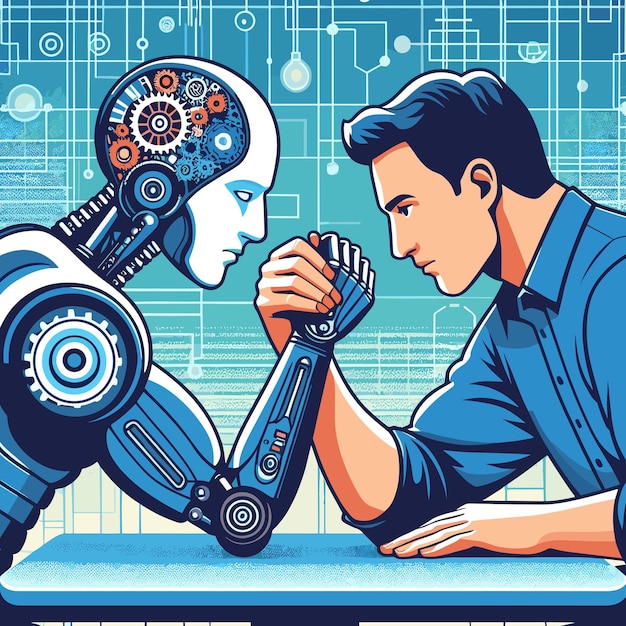
This efficiency has created new pathways for accessibility. Emerging artists who previously faced financial and technical barriers can now produce high-quality music using AI-powered tools. The cost of entry has reduced, allowing a broader range of voices to participate in the industry. In addition, AI-driven distribution systems help position music in front of the right audiences, increasing the chances of discovery beyond local markets.
However, this expansion introduces a more complex challenge around originality. Because AI systems rely on existing data, the outputs they generate often reflect familiar patterns. This can lead to a cycle where music begins to converge around similar sounds, reducing the diversity that has historically defined genres like Afrobeats. For artists who invest in developing distinct identities, standing out within this environment becomes increasingly difficult.

The question of ownership adds another layer of tension. When AI plays a significant role in the creation of a song, the boundaries of authorship become less clear. Determining whether the artist, the software developer, or the platform holds primary rights introduces legal and ethical complexities that the industry is still working to address. Without clear frameworks, the value of human contribution risks becoming diluted.
There is also the growing concern around displacement. AI-generated vocals and compositions are beginning to mirror human expression with increasing accuracy. In a system driven by speed and cost efficiency, there is a possibility that platforms and labels may prioritise automated production over human artistry. This shift could gradually reduce opportunities for musicians who rely on traditional creative processes.
Despite these concerns, AI does not exist in opposition to creativity. Its impact depends largely on how it is integrated into the industry. Stronger policies around copyright, data usage, and artist protection will play a critical role in shaping its future. At the same time, there is a need for platforms to maintain a balance between algorithmic success and creative depth, ensuring that originality is not overshadowed by performance metrics.
For artists, the challenge lies in adaptation without compromise. AI can function as a tool that enhances production and expands reach, but it cannot replace the cultural context, emotional depth, and lived experience that define meaningful music. Those who are able to combine technological efficiency with authentic storytelling are more likely to sustain relevance in this evolving landscape.
Ultimately, the conversation around AI in music extends beyond innovation. It speaks to value. It questions what audiences connect with and what the industry chooses to prioritise. As Nigerian music continues to shape global sound, the decisions made around AI will influence not just how music is created, but how it is experienced and remembered.
The future of music will not be determined by technology alone. It will be shaped by how effectively the industry protects its creative voices while embracing the tools that define a new era.