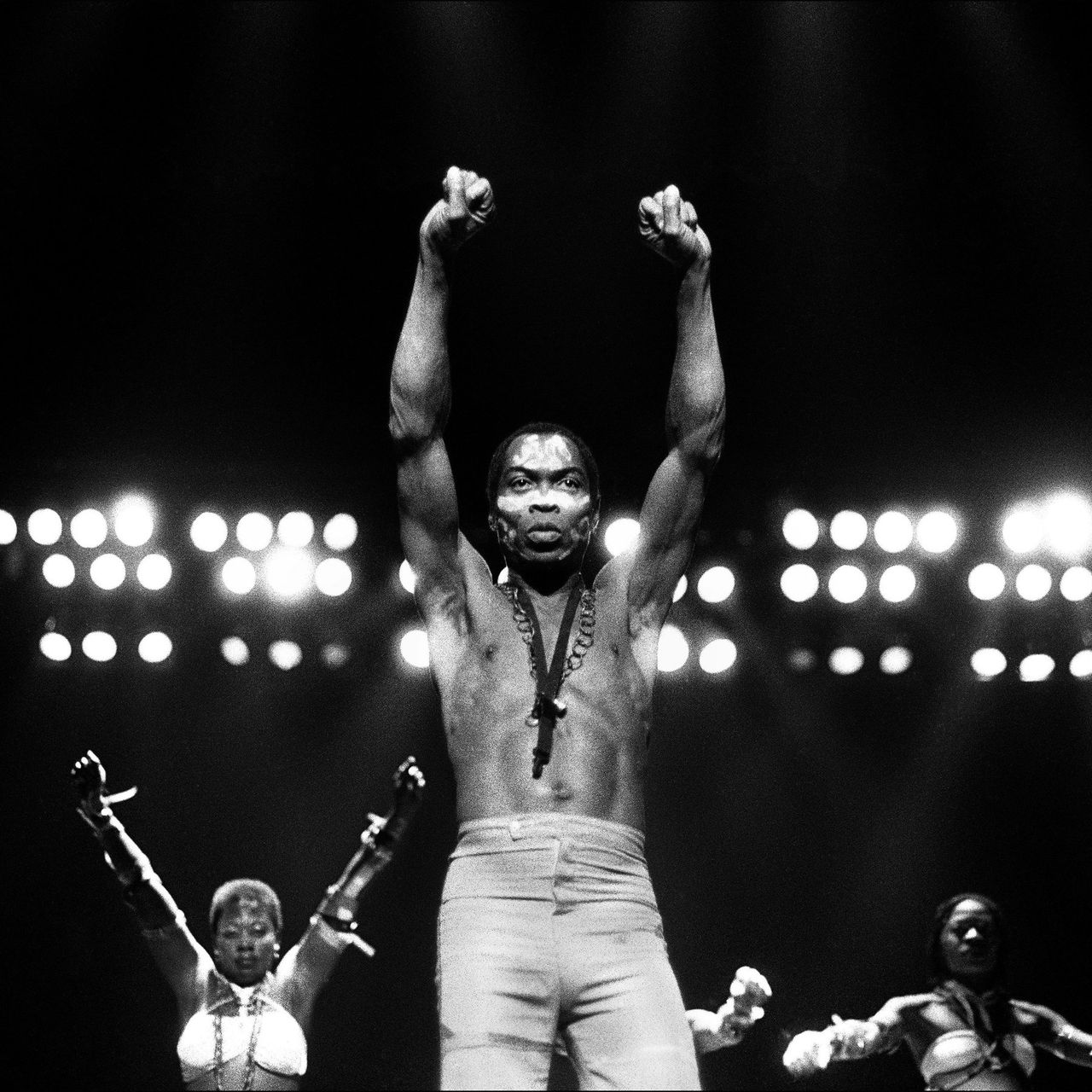
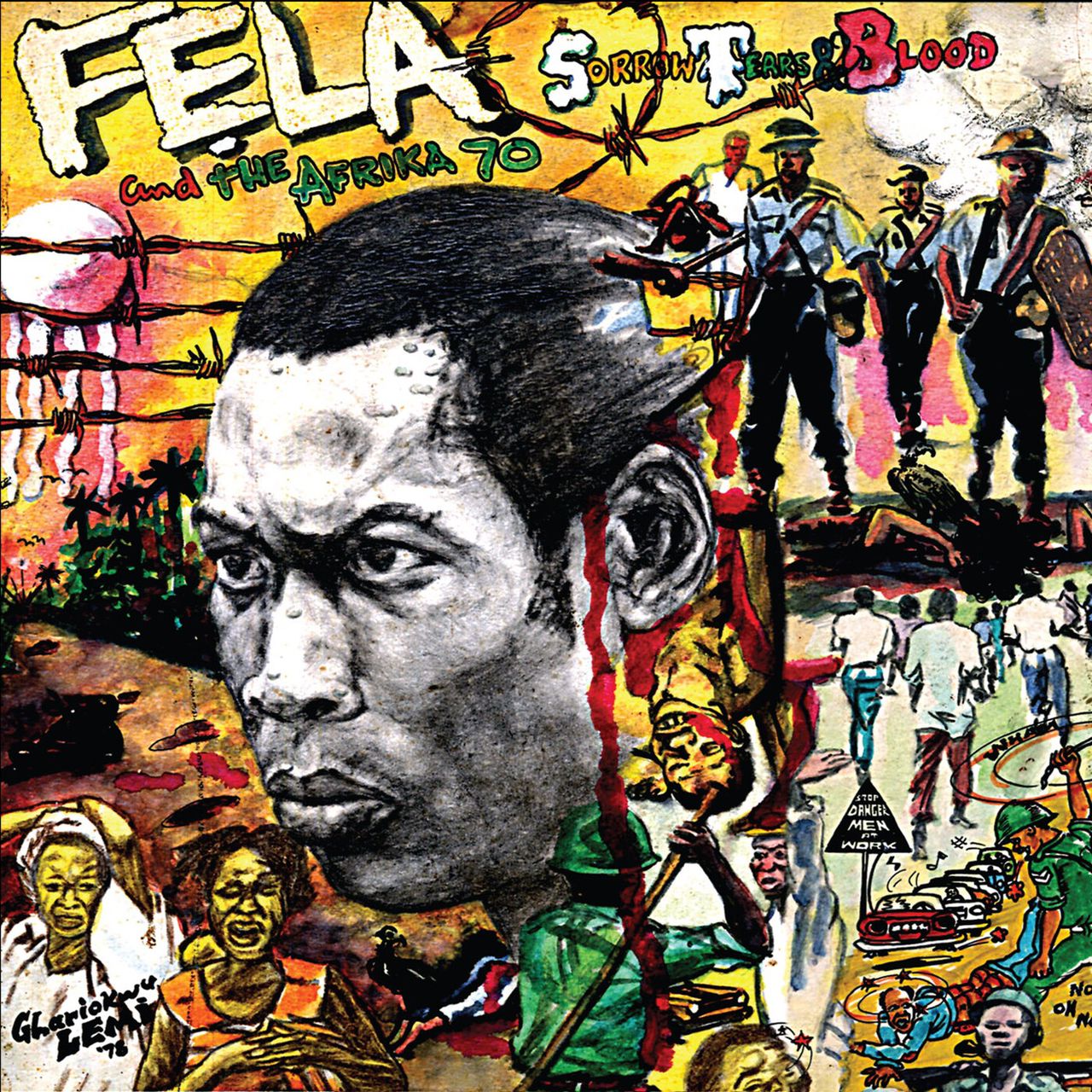
Activism in Nigeria has historically been defined by direct confrontation, fearless expression, and a willingness to challenge entrenched power structures. Icons such as Fela Anikulapo Kuti and his mother, Funmilayo Ransome-Kuti, embodied this approach, using music, public speeches, and organized protests to confront political authority and societal injustice without concern for public perception or personal branding. Their activism was bold, unmediated, and often carried substantial personal risk, emphasizing principle over optics.
Contemporary celebrity activism, by contrast, has shifted significantly with the rise of digital platforms such as Twitter. The immediacy and visibility of online engagement have introduced new pressures on public figures, who must now navigate the intersection of advocacy, audience reception, and brand safety. Modern Nigerian celebrities often calibrate their messages carefully, balancing the desire to address social issues with the need to maintain reputation, commercial partnerships, and public favor. The result is a more measured, sometimes performative form of activism, where the boldness of direct confrontation is tempered by strategic communication.
This evolution reflects broader structural changes in media and society. Fela's activism leveraged public spaces, recordings, and live performances to force engagement with difficult truths, often provoking outrage or repression. Today, the digital sphere allows for rapid mobilization and widespread visibility but also subjects statements to immediate scrutiny, viral criticism, and reputational consequences. The stakes of perception have reshaped the tactics of engagement, creating a landscape where empathy, messaging, and optics are as important as the issues themselves.
The contrast between the eras highlights the tension between fearless advocacy and the realities of modern celebrity. While Fela and his contemporaries demonstrated a form of activism defined by uncompromising courage, contemporary figures operate in a climate that prioritizes both social impact and self-preservation. Understanding this shift offers insight into how Nigerian celebrity influence has adapted, revealing a landscape where advocacy now requires negotiation between principle, public image, and digital immediacy.
Ultimately, the journey from Fela to Twitter illustrates not only a change in methods but a broader transformation in how society engages with activism. The fearless, confrontational activism of the past set a standard of moral and cultural courage, while the cautious, digitally mediated approach of today reflects a nuanced understanding of influence, accountability, and the complexities of visibility in a connected world. The evolution underscores that while the tools and strategies have changed, the potential for celebrities to shape public discourse and challenge societal norms remains a defining feature of Nigerian culture.