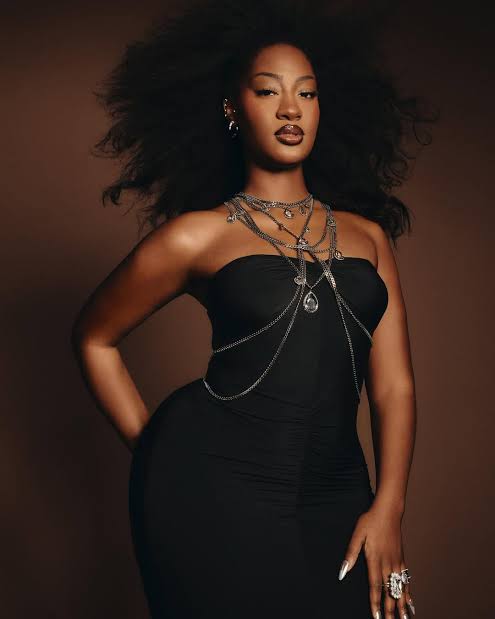
The contours of power within the Nigerian entertainment industry are undergoing a decisive transformation, shaped increasingly by the presence, agency, and strategic influence of women who are redefining what leadership, creativity, and ownership look like. In a cultural ecosystem long perceived through a male dominated lens, a new generation of female artists, executives, filmmakers, and entrepreneurs is asserting authority not only through talent but through control of narrative, business direction, and global positioning. This shift reflects a broader recalibration within Nigerian society, where visibility and voice are becoming inseparable from influence.
At the forefront of this evolution are women who have transcended traditional expectations to build multidimensional careers. Figures such as Tiwa Savage have moved beyond musical success to embody strategic branding and international collaboration, while Genevieve Nnaji has played a pivotal role in repositioning Nollywood within global cinematic discourse through disciplined storytelling and production leadership. Their trajectories illustrate a critical departure from earlier models of celebrity, where visibility was often detached from ownership. Today, influence is measured not only by audience reach but by the ability to shape industry structures from within.
Equally significant is the emergence of women in executive and behind the scenes roles, where long term power is often consolidated. Industry leaders such as Mo Abudu have demonstrated how vision, institutional building, and international partnerships can elevate African storytelling to global platforms without compromising cultural authenticity. Through ventures that span film, television, and media infrastructure, such figures are redefining the architecture of the industry itself, ensuring that Nigerian narratives are not merely exported but controlled by those who understand their cultural depth.
In music, film, and digital media, younger female creatives are also leveraging technology and social platforms to bypass traditional gatekeeping systems. This democratization of access has enabled talents such as Ayra Starr and Tems to cultivate global audiences while maintaining distinct artistic identities rooted in Nigerian experience. Their success signals a shift toward a more fluid model of power, where authenticity, digital fluency, and cultural resonance are as critical as institutional backing. It also reflects the growing importance of global audiences in shaping local trajectories, positioning Nigerian women not just as participants but as drivers of international cultural exchange.
Beyond individual success stories, there is a collective redefinition of what authority looks like within the industry. Women are increasingly advocating for equitable representation, fair compensation, and safer working environments, thereby influencing policy and professional standards. This advocacy is not always overt, yet its impact is visible in the gradual normalization of female led projects, collaborations, and leadership roles across sectors. The shift is structural as much as it is symbolic, signaling a move toward sustainability rather than sporadic breakthroughs.
The redefinition of power by women in the Nigerian entertainment industry ultimately reflects a broader cultural evolution, where influence is no longer confined to performance but extends to ownership, authorship, and institutional control. As these women continue to expand the boundaries of what is possible, they are not only reshaping the industry but also contributing to a more nuanced understanding of leadership within Nigerian and global contexts. Their impact suggests that the future of the industry will be defined less by inherited hierarchies and more by those who possess the clarity, resilience, and vision to transform them.