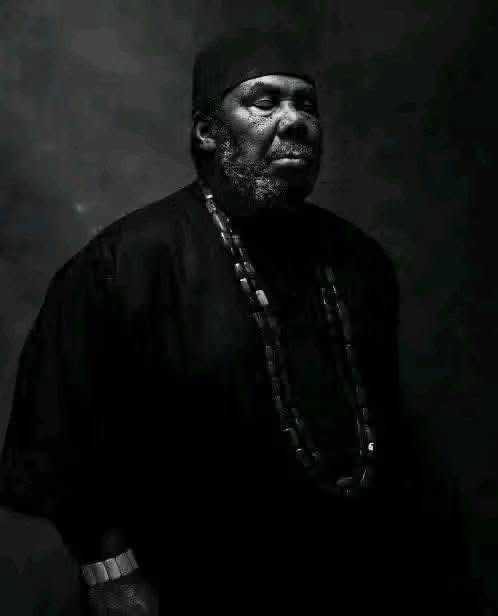
Nigeria entertainment industry has lost one of its most recognisable and influential figures. Veteran actor and broadcaster Chief Pete Edochie has died at the age of 79, bringing to a close a remarkable career that helped shape the development of Nigerian television and cinema. His death was announced by his family on Wednesday, November 25, 2026, prompting renewed reflection on the legacy of an actor whose performances became part of the country cultural memory.
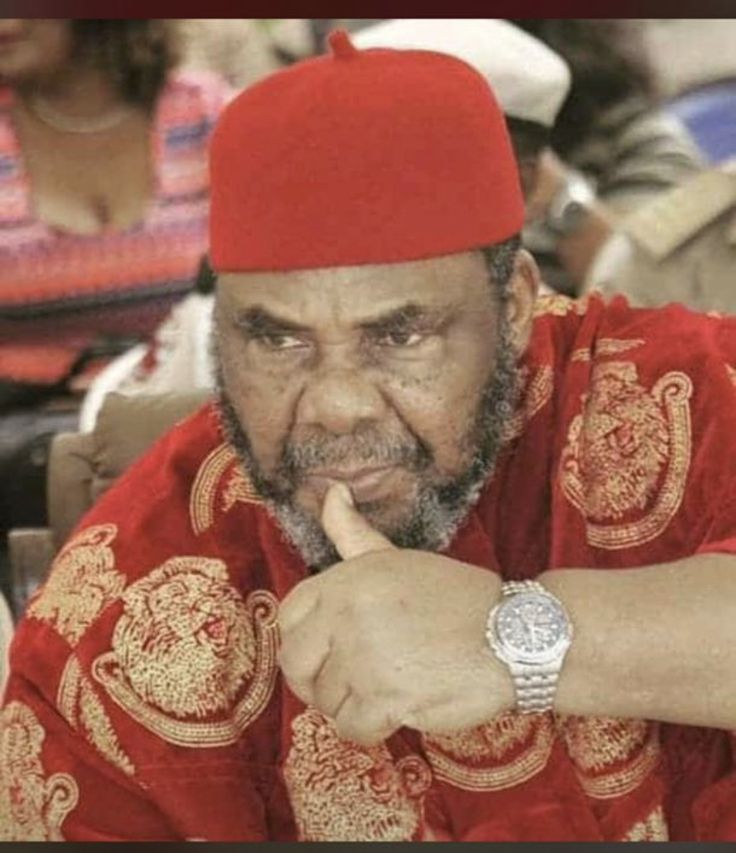
In a family statement titled An Iroko Has Fallen, shared by his son, Chief Leo Pete Edochie, the family disclosed that the actor died at 12:30 a.m. on Wednesday in Enugu, following a prolonged battle with prostate cancer. The statement described him as a beloved husband, father, brother and kinsman, and confirmed that he hailed from Akamnato, Ifite Nteje, in Anambra State. He is survived by his wife, Barrister Josephine Edochie, his children, siblings and other relatives. The family said funeral arrangements would be announced in due course.
For many Nigerians, Pete Edochie name will forever be associated with his unforgettable portrayal of Okonkwo in the Nigerian Television Authority adaptation of Chinua Achebe literary classic, Things Fall Apart. The production, which brought Achebe celebrated novel to television audiences in the 1980s, introduced viewers to an actor whose commanding presence and carefully measured delivery gave extraordinary depth to one of African literature most complex characters.
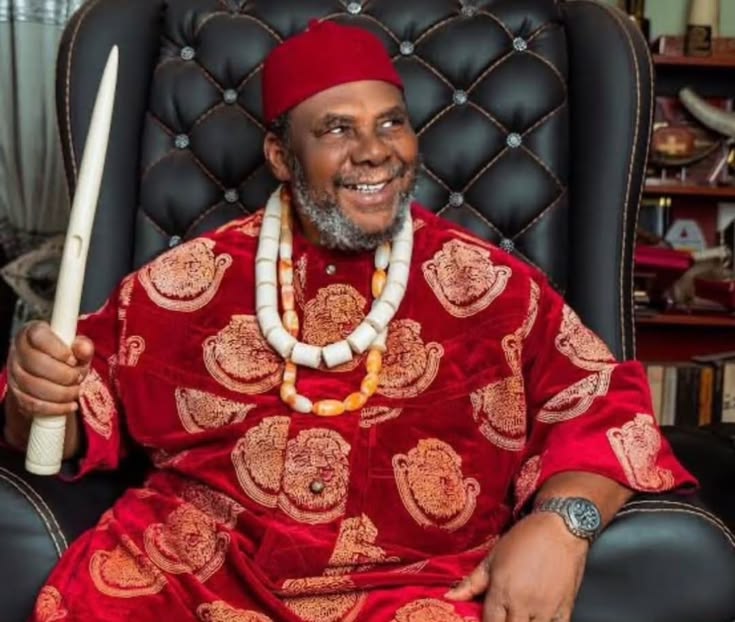
His interpretation of Okonkwo became a defining moment in his career. The character pride, strength, contradictions and eventual downfall demanded a performance capable of communicating both authority and vulnerability. Edochie portrayal achieved that balance, helping establish him as one of the most respected actors of his generation. Decades later, the role remains a reference point in conversations about some of the most memorable performances in Nigerian screen history.
However, his contribution to the entertainment industry began before his rise as an actor. Edochie built a career in broadcasting, joining the Eastern Nigerian Broadcasting Corporation in 1967. He later rose through the ranks of the broadcasting establishment, serving in senior positions at the Anambra Broadcasting Service, including Director of Programmes and Deputy Managing Director. That professional background gave him a familiarity with the demands of television production long before he became a household name on screen.
As Nollywood expanded from a developing film industry into an internationally recognised creative force, Edochie remained one of its most distinctive elder statesmen. His performances frequently drew on the language, traditions and social structures of Igbo communities, particularly through his portrayals of traditional rulers, fathers, elders and powerful community figures. Yet his influence was not limited to one type of character. His appearance in productions such as Igodo and Genevieve Nnaji Lionheart demonstrated his ability to remain relevant across different generations of Nigerian filmmaking.

His career also received recognition beyond audience admiration. In 2003, he was conferred with the national honour of Member of the Order of the Niger (MON) by the Nigerian government. He subsequently received the Industry Merit Award at the 2014 Africa Magic Viewers Choice Awards, alongside recognition for his contribution to African cinema through a lifetime achievement honour from the Africa Film Academy. These distinctions reflected a career that extended beyond individual film appearances into the broader development and recognition of Nigerian screen culture.
Edochie significance also rested in the kind of screen presence that is increasingly difficult to separate from the history of Nigerian popular culture. His deep, deliberate delivery, memorable expressions and commanding performances became familiar to audiences across age groups. His characters often carried an authority that made even brief appearances memorable, while his public identity as a respected elder in the industry reinforced the connection between his work and the cultural traditions he frequently represented.
His passing therefore marks more than the loss of a celebrated actor. It represents the departure of a performer whose career bridged an important period in Nigerian broadcasting, the early development of television drama and the rise of Nollywood as a major cultural industry. For younger filmmakers and actors, his body of work remains a record of the craft, discipline and screen presence that helped establish the foundations on which later generations have continued to build.
As the Edochie family prepares to announce funeral arrangements, tributes and reflections on his life are expected to continue across the entertainment industry and beyond. Pete Edochie leaves behind a body of work that will remain accessible to audiences long after his passing. His portrayal of Okonkwo may have introduced him to generations of viewers, but the larger story of his life is that of a broadcaster, actor and cultural figure whose influence became woven into the history of Nigerian entertainment.