
In Nigerias contemporary music landscape, where artistry and public consciousness increasingly intersect, certain figures continue to influence cultural dialogue beyond the immediacy of their active output. The industry, shaped by both creative expression and collective sentiment, often revisits narratives that carry emotional and societal weight. It is within this context that Mohbad remains a defining presence in ongoing public discourse, reflecting a sustained engagement that extends beyond music into broader considerations of legacy, accountability, and the evolving structure of the entertainment ecosystem.
Mohbad, whose contributions to Nigerias street rooted sound positioned him as a distinctive voice within the expanding Afrobeats movement, continues to be recognized for the authenticity and emotional clarity embedded in his work. His music, grounded in lived experience and expressive storytelling, resonated deeply with audiences who connected with its honesty and cultural relevance. This foundation has ensured that his artistic voice remains significant within conversations about the direction and depth of Nigerian music.

The persistence of his presence in public conversation underscores the role of collective memory within Nigerian society. In a media environment often defined by rapid cycles of attention, the continued engagement with his story signals a deeper cultural inclination toward reflection and understanding. Discussions connected to Mohbad have evolved beyond initial reactions, expanding into broader considerations of artist welfare, institutional responsibility, and the systems that shape creative careers.
Within the Nigerian context, this sustained discourse highlights a shift in how the entertainment industry is perceived as it gains global prominence. As Afrobeats continues to expand its international reach, attention is increasingly directed not only toward sound and performance but toward the frameworks that support artists behind the scenes. The conversations surrounding Mohbad have therefore contributed to a wider examination of industry practices, reinforcing the importance of structure, transparency, and accountability.
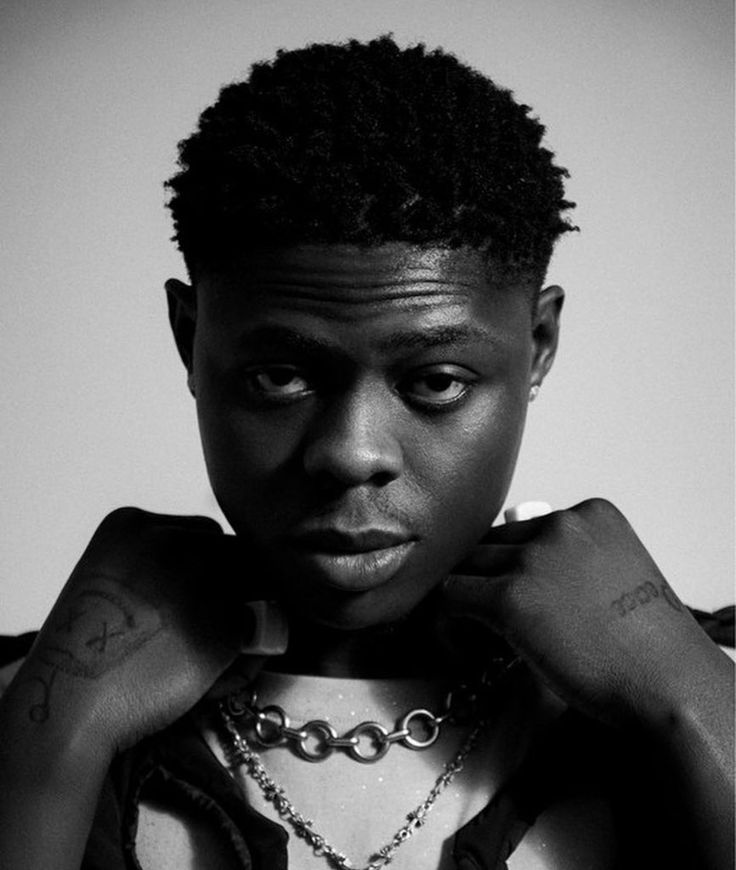
The ongoing engagement also reflects the transformative role of digital platforms in shaping narrative continuity. Social media has enabled audiences to revisit and reinterpret events, ensuring that certain conversations remain active within the cultural space. This sustained visibility marks a shift from fleeting attention to a more enduring form of public dialogue, where stories develop through collective participation and evolving perspectives.
For observers, the significance of this moment lies in its indication of a maturing cultural environment. The willingness of audiences to engage critically with complex issues demonstrates an increased awareness of the interconnected nature of music, identity, and societal responsibility. In this sense, the continued discourse surrounding Mohbad represents not only remembrance but an ongoing process of cultural introspection and growth.
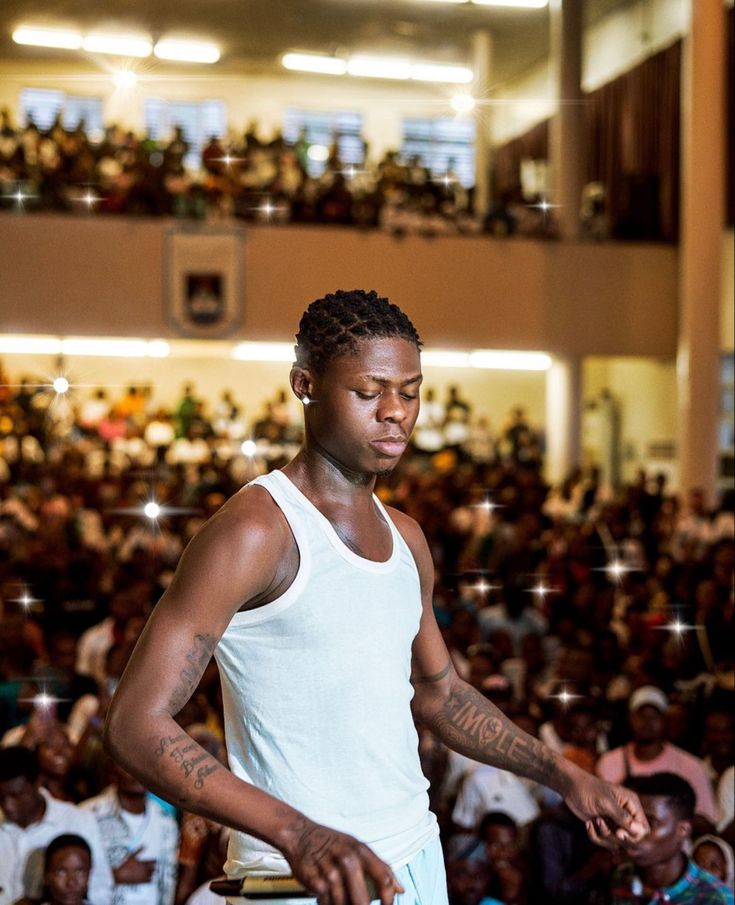
Ultimately, the enduring relevance of Mohbad within public conversation speaks to the lasting impact of both artistry and narrative in Nigerias creative ecosystem. As the industry continues to evolve, such moments serve as important markers of reflection, guiding conversations about sustainability, protection, and the human dimensions of artistic expression. His legacy remains embedded within a broader story of Nigerian music, one that continues to unfold through dialogue, awareness, and a collective commitment to progress.