
In Nigerias vibrant entertainment ecosystem, where music and dance exist as deeply interconnected forms of cultural expression, moments of tension within the creative community often carry wider significance. Dance, long recognized as a defining element of Afrobeats global identity, has evolved from a supporting feature into a powerful industry in its own right. Within this context, Poco Lee has recently trended amid conversations surrounding perceived tensions within the dance space, drawing renewed attention to the complexities of recognition, ownership, and collaboration in a rapidly expanding creative sector.

Poco Lee, widely regarded as one of the most influential dancers to emerge from Nigerias contemporary street culture, has played a central role in elevating dance into a visible and commercially viable component of the entertainment industry. Through high profile performances, collaborations with leading music artists, and a strong digital presence, he has contributed significantly to the global spread of Nigerian dance styles. His prominence reflects a generation of creatives who have transformed movement into both cultural currency and professional opportunity.
The recent discourse, circulating across social media platforms and industry circles, points to underlying conversations about credit, creative ownership, and the structure of the dance ecosystem. While specific details remain open to interpretation, the intensity of engagement highlights the importance of dance not only as performance but as a form of intellectual and cultural contribution. As the industry continues to expand, questions surrounding how choreography is acknowledged and how dancers are supported have become increasingly central to its development.

Within the Nigerian context, these discussions carry particular weight given the historical evolution of dance within popular culture. What was once primarily an informal expression rooted in community and street identity has now become a globally recognized export, often accompanying chart leading music and viral digital content. Figures like Poco Lee embody this transition, representing both the origins of the culture and its current international reach.
The situation also reflects a broader shift across creative industries, where visibility does not always align with equitable recognition. As dancers gain prominence alongside musicians, the need for clearer frameworks around collaboration, authorship, and professional standards becomes more evident. This progression mirrors developments in other creative fields, where the formalization of previously informal systems is essential for long term sustainability.
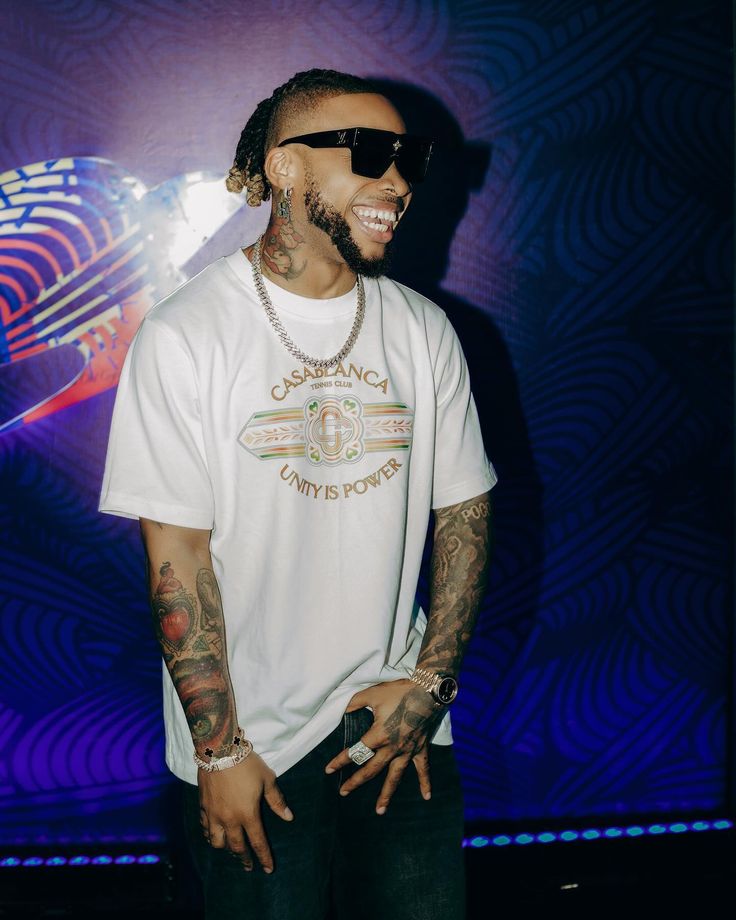
For audiences, the conversation offers insight into the often overlooked structures that shape the entertainment they engage with daily. Behind widely shared dance routines and viral moments exists a network of creators whose contributions extend beyond performance into innovation and cultural preservation. The attention surrounding Poco Lee therefore provides a deeper understanding of the dance industry as both an artistic discipline and an economic space.
As Nigerias cultural influence continues to expand on the global stage, the importance of cohesion and mutual recognition within its creative communities becomes increasingly vital. The discussions prompted by this moment ultimately underscore the need for dialogue, structure, and respect within the dance ecosystem. In a landscape defined by collaboration, the ability to align visibility with fairness will remain central to ensuring that the growth of Nigerian dance culture is both inclusive and enduring.