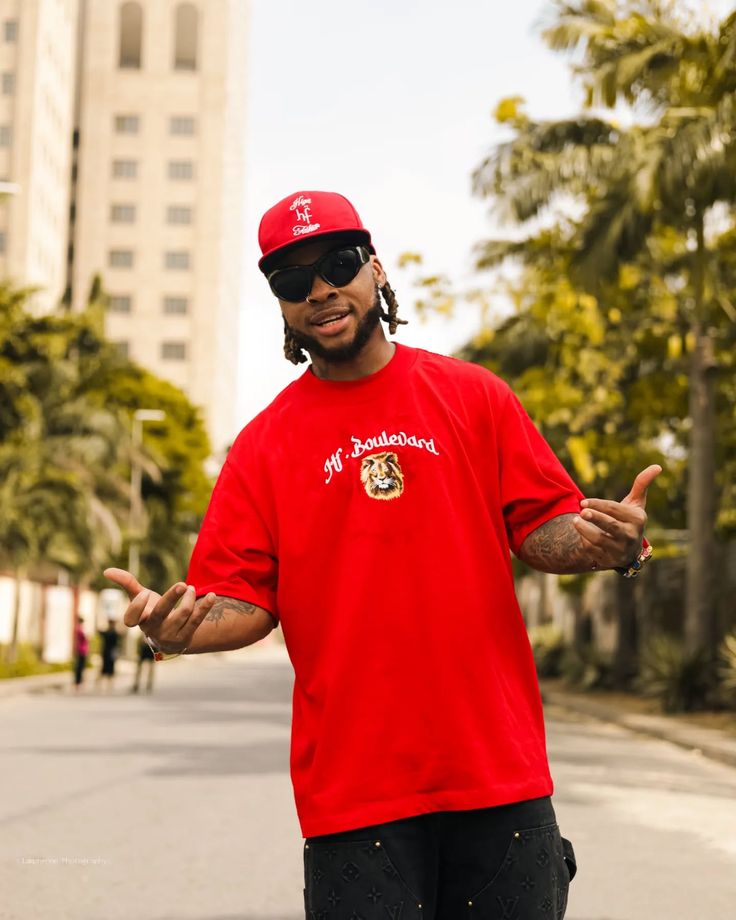
In Nigerias fast evolving entertainment landscape, where collaboration and visibility increasingly shape cultural influence, celebrity interactions have become an important part of how public narratives are formed. Social media has transformed casual appearances and professional associations into moments of widespread conversation, particularly within the music and dance industries where personality, access, and connection often drive momentum. It is within this context that Poco Lee has recently generated renewed buzz through a series of high profile celebrity link ups that have captured attention across Nigerias digital and entertainment communities.
Poco Lee, widely recognized for his impact on Nigerias street dance culture and his longstanding relationship with the music industry, has evolved far beyond the role of performer. Over time, he has established himself as a visible cultural figure whose presence consistently intersects with artists, entertainers, fashion personalities, and influential figures across multiple creative spaces. His rise reflects the growing recognition of dance not merely as performance, but as a defining force within Nigerias modern entertainment identity.
The recent attention surrounding his celebrity interactions underscores the importance of association within contemporary entertainment culture. In an era where visibility is amplified through digital sharing and audience participation, moments of connection between influential personalities can quickly evolve into symbols of broader cultural relevance. For Poco Lee, these link ups reinforce his reputation as a connector within the industry, someone whose influence extends across music, nightlife, youth culture, and social entertainment.
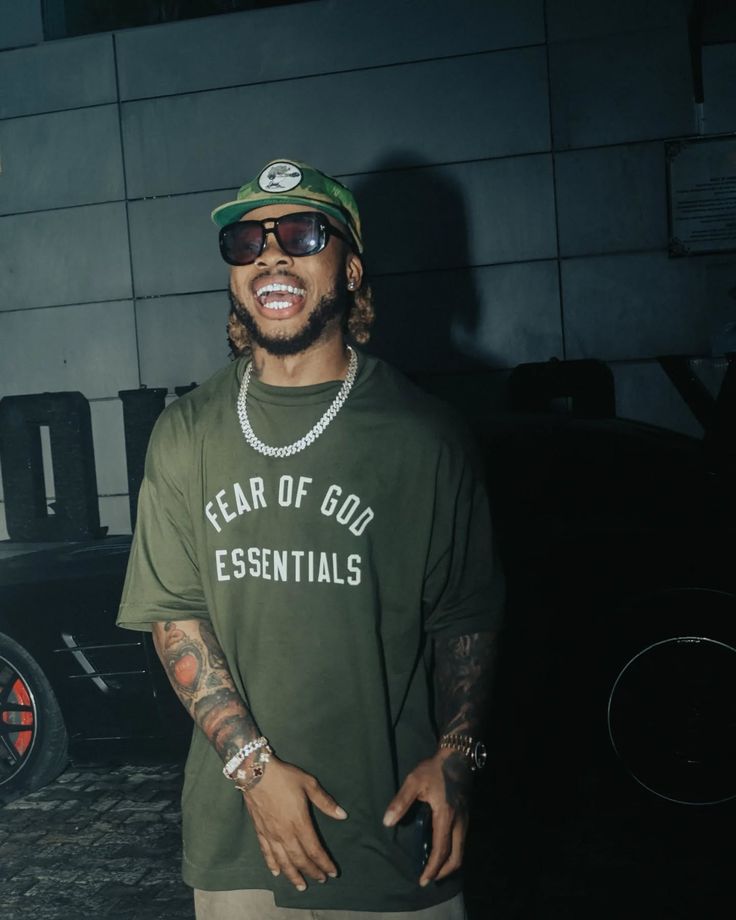
Within the Nigerian context, public collaborations and social associations often carry deeper significance beyond casual interaction alone. The entertainment industry operates through a highly interconnected network where relationships frequently contribute to creative opportunities, audience expansion, and sustained visibility. Figures like Poco Lee thrive within this environment, where strategic presence and consistent engagement help shape both professional relevance and cultural perception.
The buzz surrounding these appearances also highlights the evolving role of digital platforms in constructing celebrity narratives. Images, videos, and spontaneous interactions now circulate instantly, allowing even brief moments to become part of wider public conversation. This shift has transformed how influence is maintained, with personalities increasingly remaining relevant through ongoing visibility and social connectivity rather than relying solely on formal projects or releases.
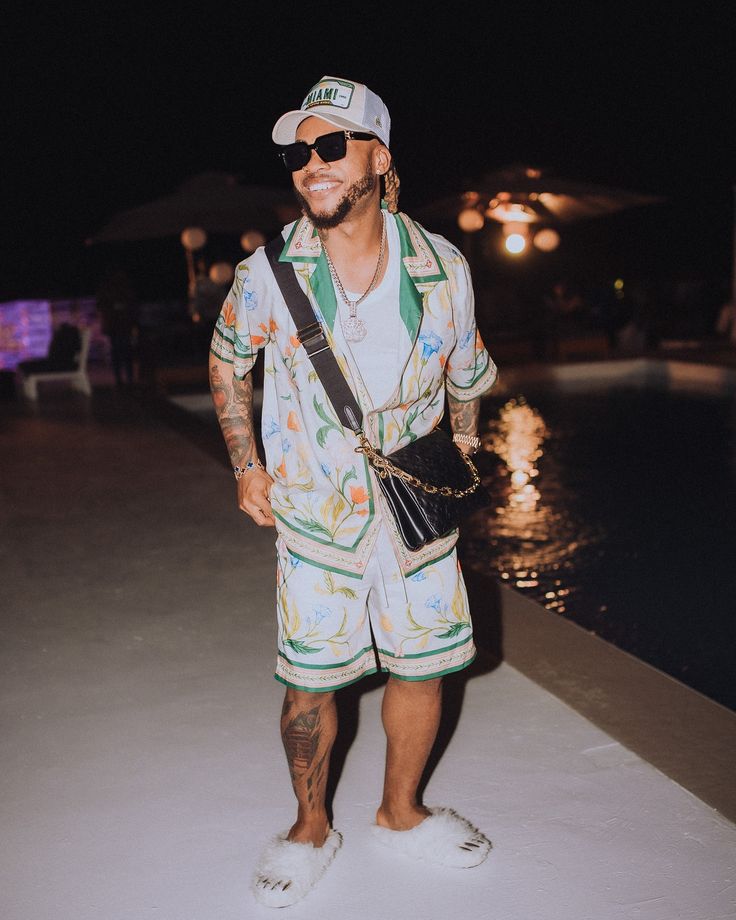
For observers of Nigerias creative industry, the sustained attention reflects the growing fluidity between entertainment sectors. Dance, music, fashion, nightlife, and lifestyle culture now operate as interconnected components of a larger cultural economy, where visibility in one space can strengthen influence in another. Poco Lee continued prominence illustrates how individuals who successfully navigate multiple creative environments are able to maintain enduring relevance within an increasingly competitive landscape.
The moment also speaks to the broader globalization of Nigerian entertainment culture. As Afrobeats and related creative industries continue to gain international recognition, personalities associated with these movements are attracting wider attention both locally and abroad. Public interactions between influential figures increasingly serve as representations of a thriving cultural ecosystem that extends beyond music into fashion, dance, branding, and digital storytelling.
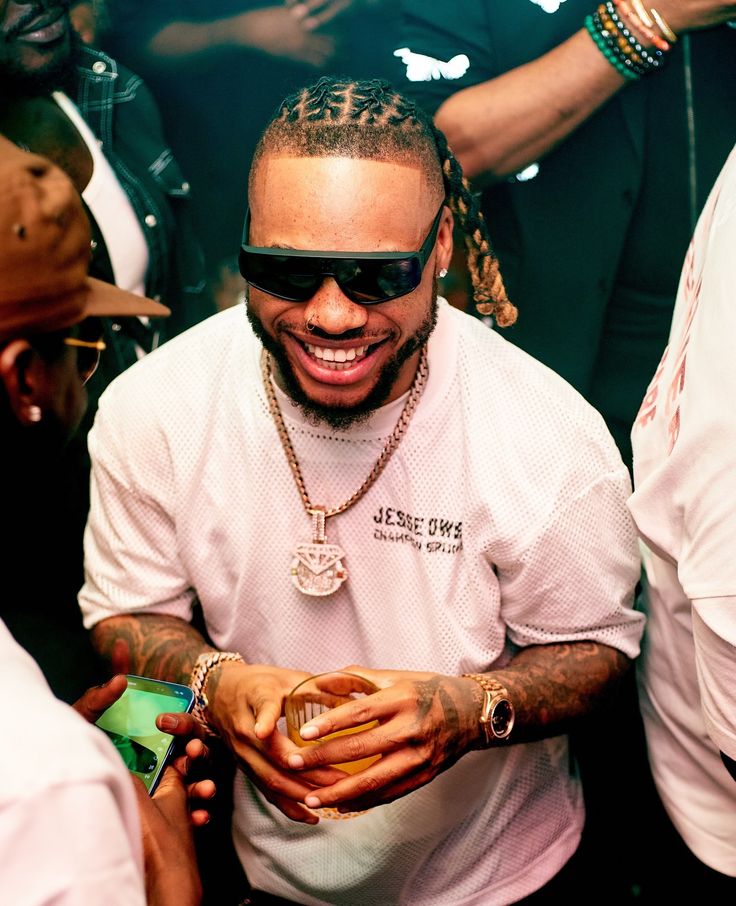
Ultimately, the conversations surrounding Poco Lee recent celebrity link ups reflect the importance of presence, connection, and collaboration within modern entertainment culture. In a landscape driven by visibility and audience engagement, relationships themselves have become part of the storytelling process that shapes influence and relevance. As Nigerias entertainment industries continue to expand globally, figures who successfully bridge creative spaces and sustain cultural momentum will remain central to the evolving narrative of contemporary African entertainment.