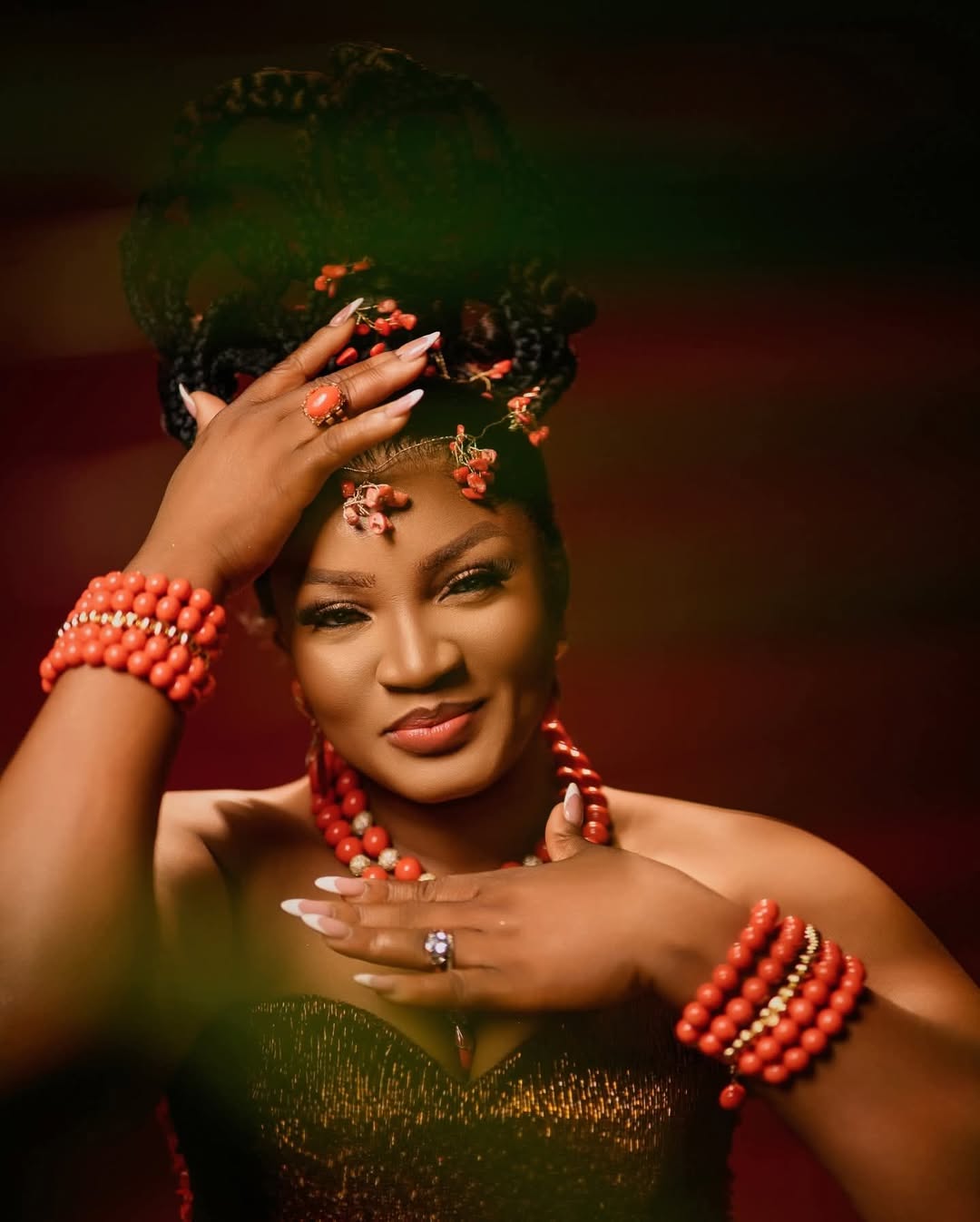
Legacy within Nollywood functions as both cultural archive and evaluative framework, shaping how the industry measures influence, endurance, and transformation across generations. In this context, Omotola Jalade Ekeinde occupies a position that extends beyond individual achievement, prompting ongoing reflection on the standards and trajectories that define sustained relevance in Nigerian cinema.
Her career emerged at a formative period in Nollywood, when the industry was consolidating its identity and expanding its audience base. Through a body of work that combined accessibility with emotional depth, Omotola Jalade Ekeinde became emblematic of a generation of actors who helped establish the commercial and cultural viability of Nigerian film. This foundational role continues to inform how her contributions are understood today.

The durability of her influence lies in the consistency of her screen presence and the breadth of roles she has embodied. Rather than being confined to a singular archetype, Omotola Jalade Ekeinde navigated diverse narratives, allowing her performances to reflect varying dimensions of Nigerian life and womanhood. This versatility reinforced her appeal across different audience segments, contributing to a legacy built on both recognition and adaptability.
Beyond performance, her public persona has played a significant role in shaping industry perception. As Nollywood expanded into global awareness, Omotola Jalade Ekeinde became one of its most visible representatives, aligning her image with professionalism and international engagement. This positioning elevated not only her personal brand but also the visibility of Nigerian cinema within broader cultural conversations.
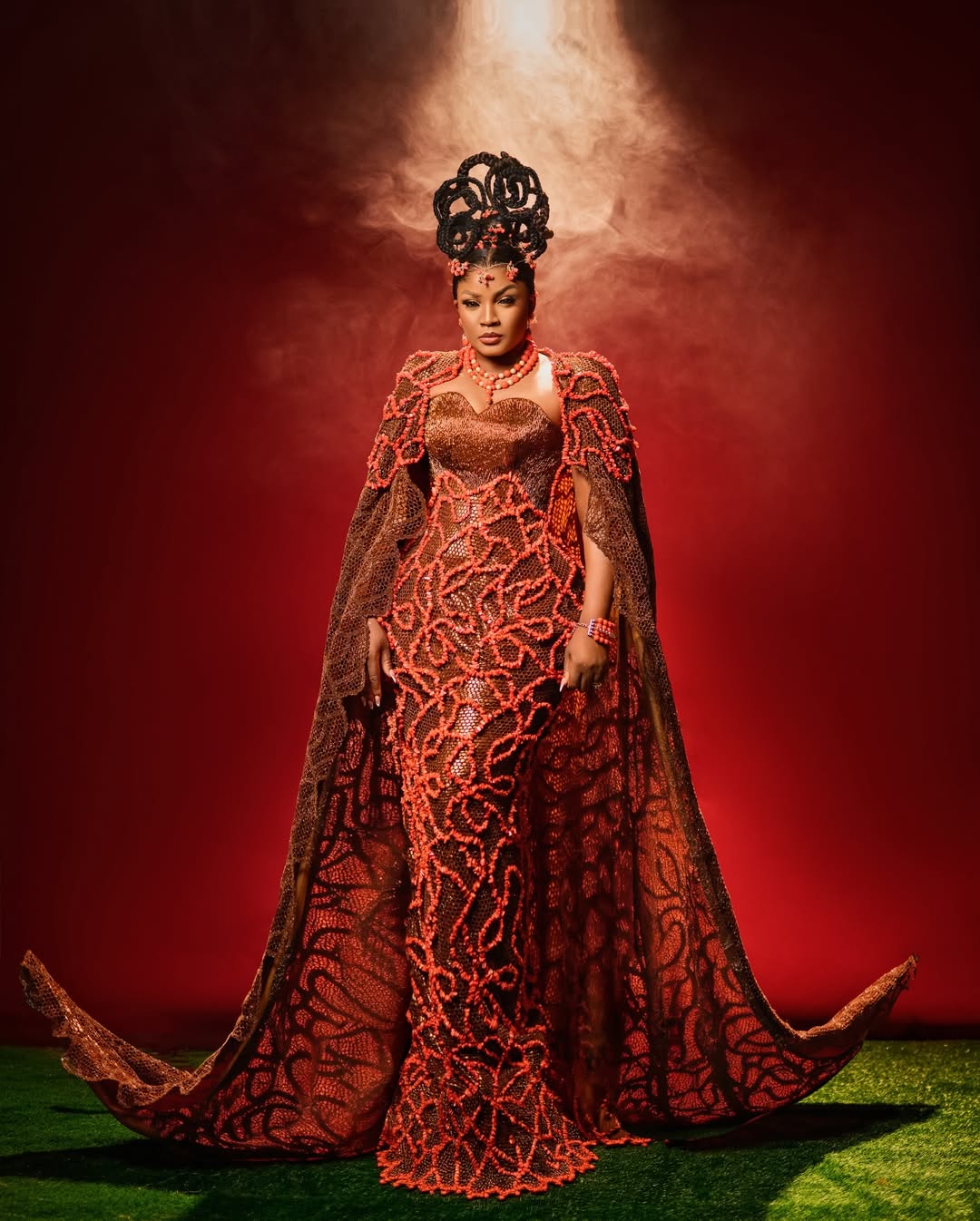
The reflection her legacy inspires is not limited to past achievements. It raises questions about continuity within the industry, particularly how emerging actors interpret and build upon the foundations laid by earlier figures. In an environment increasingly defined by digital distribution and global competition, the standards associated with Omotola Jalade Ekeinde's era provide a reference point for evaluating both progress and divergence.
There is also a gendered dimension to this legacy. As one of the most prominent female figures in Nollywood, her career trajectory highlights the possibilities and constraints that have shaped women's participation in the industry. Her sustained visibility and influence contribute to ongoing discussions about representation, leadership, and the evolving roles available to female performers within Nigerian cinema.

The industry context within which her legacy is assessed continues to evolve. New production models, shifting audience preferences, and the integration of global platforms have redefined how success is measured. Against this backdrop, Omotola Jalade Ekeinde's body of work serves as both benchmark and point of comparison, illustrating how foundational contributions can retain relevance amid structural change.
Ultimately, the reflection prompted by her legacy extends beyond individual recognition to a broader consideration of Nollywood's trajectory. It invites a reassessment of what endures within cultural production, how influence is sustained, and the role of pioneering figures in shaping future possibilities. In this regard, Omotola Jalade Ekeinde remains central to an evolving conversation about identity, continuity, and excellence within Nigerian film.