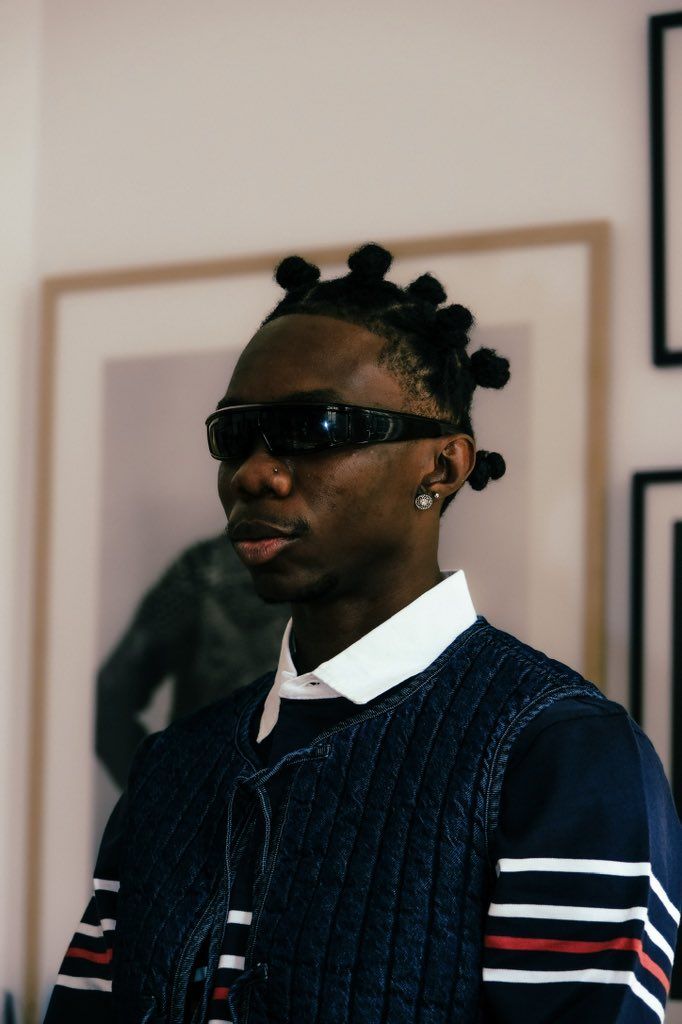
Nigerian rap has always been shaped by competition, collaboration, friendship and the personalities behind the music. In an industry where artists can move from collaborators to competitors as their careers evolve, changes in personal relationships can attract almost as much attention as the records themselves. That dynamic has returned to the spotlight following remarks from Blaqbonez about the breakdown of his friendship with fellow rapper Odumodublvck.
Both artists represent important parts of the evolution of contemporary Nigerian hip-hop. Blaqbonez has established himself through his distinctive personality, lyrical ability, humour and willingness to challenge conventional ideas about rap. Odumodublvck, meanwhile, has emerged as one of the most recognisable voices within the new generation of Nigerian rap, combining hip-hop with street culture, Afrobeats influences and an unmistakable artistic identity.
The history between the two makes the development particularly notable. Their careers have unfolded within the same generation and their artistic worlds have often overlapped, creating an environment where friendship, collaboration and professional competition can exist at the same time. As both artists have continued to establish their individual identities, the dynamics surrounding their relationship have naturally attracted public interest.
Blaqbonez speaking about the breakdown of the friendship offers audiences a glimpse into a side of the entertainment industry that is rarely visible. Fans typically encounter musicians through performances, interviews, social media posts, collaborations and public appearances, which can create the impression that the relationships between artists are straightforward. Away from those public moments, however, personal and professional connections can be considerably more complicated.
The development also reflects the competitive culture that has long existed within Nigerian hip-hop. Rap places considerable emphasis on individuality, reputation and artistic distinction. Artists are expected to establish their own voices and prove themselves among their peers, and that competitive spirit can contribute to some of the genres most memorable creative moments. At the same time, professional competition can become more complicated when it exists alongside personal friendships.
As with any public account of a private disagreement, Blaqbonez perspective should be understood as his account rather than automatically treated as the complete explanation for what happened between the two artists. Personal relationships can involve different interpretations, experiences and expectations, and the absence of a detailed public response from another person does not establish agreement with one version of events.
The renewed interest nevertheless demonstrates how closely Nigerian audiences follow the personal journeys of musicians. Social media has transformed the relationship between artists and their supporters, allowing audiences to observe interactions, collaborations and disagreements almost in real time. A change in the relationship between two prominent rappers can therefore quickly become part of a wider discussion about loyalty, competition, ambition and the pressures that accompany success.
There is also a broader cultural significance to the conversation. Nigerian hip-hop continues to evolve through artists who are willing to experiment with sound, language, fashion, street culture and new forms of storytelling. Blaqbonez and Odumodublvck have each contributed to that changing landscape in their own ways, demonstrating how the current generation of Nigerian rappers is expanding the boundaries of what the genre can represent.
Whatever ultimately caused their friendship to change, the development does not erase the individual contributions either artist has made to Nigerian music. Personal relationships can evolve as people grow, careers accelerate and priorities shift. A friendship that once seemed inseparable can eventually take a different form without necessarily determining the future of either persons creative journey.
For the wider Nigerian entertainment industry, the episode serves as a reminder that celebrity relationships are rarely as simple as they appear from the outside. Artists remain individuals navigating personal connections alongside demanding careers, public expectations and intense scrutiny. The most important story, therefore, may not be the ending of one friendship, but how both artists continue to channel their experiences into the music and culture they are helping to shape.
As Blaqbonez and Odumodublvck continue on their respective paths, attention will inevitably remain on their music, careers and influence within Nigerian hip-hop. Their friendship may have changed, but their place within the evolution of a new era of Nigerian rap continues to be defined by the work they create.