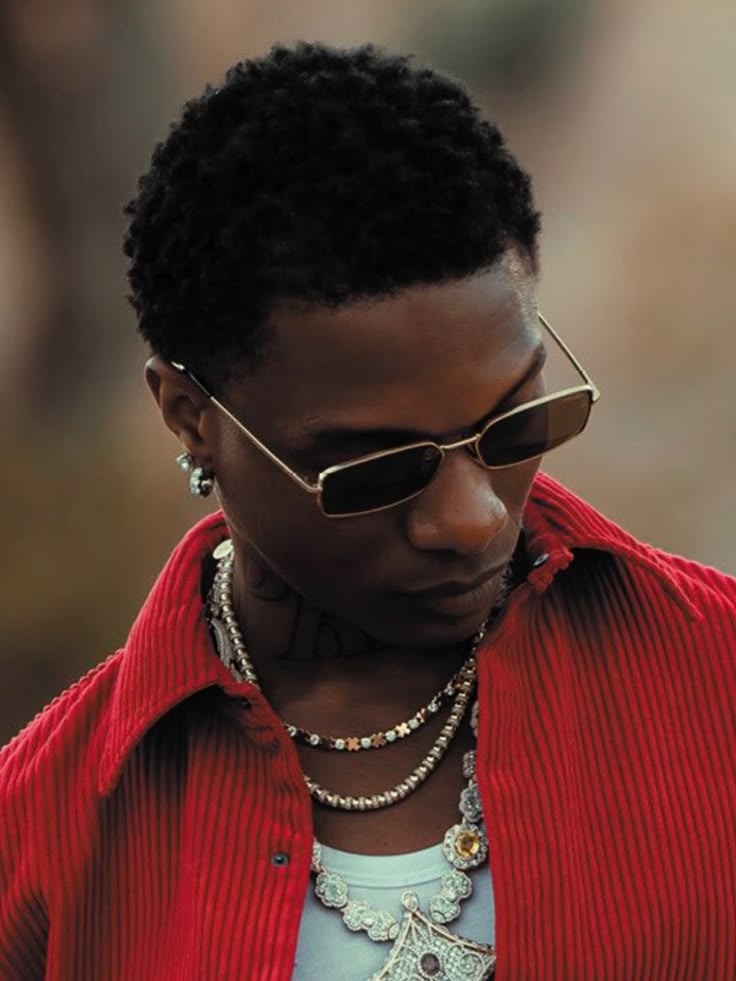
Wizkid vs 2Baba: The ‘Big 3’ Debate Gets Personal
Nigeria’s music industry has spent years debating which artists deserve a place among the country’s most influential acts, but few comparisons carry the historical weight of Wizkid and 2Baba. One represents the generation that helped push Afrobeats deeper into the global mainstream; the other belongs to the pioneering era that helped establish the foundations on which that success was built. As debates over Nigeria’s unofficial “Big 3†continue to dominate music conversations, the comparison between the two artists has taken on an increasingly personal edge.
2Baba, formerly known as 2Face Idibia, occupies a unique position in Nigerian music history. His work with Plantashun Boiz and his subsequent solo career placed him among the defining artists of the early modern Afropop era. His catalogue, songwriting, vocal style, and longevity helped establish a standard for Nigerian musicians at a time when the industry was still developing the infrastructure and international visibility it enjoys today.
Wizkid emerged during a very different period. His breakthrough coincided with the rapid expansion of Nigerian music through digital platforms, international collaborations, and a new generation of globally ambitious artists. From his early success to his international achievements, he became one of the central figures in the transformation of Afrobeats into a worldwide cultural movement.
That difference in eras sits at the heart of the debate. Comparing the two purely through contemporary popularity risks overlooking the circumstances in which their careers developed. 2Baba’s influence can be measured through the artists and sounds that followed him, while Wizkid’s impact is strongly connected to the international expansion of Nigerian music and the growing global visibility of Afrobeats.
The “Big 3†conversation becomes even more complicated because there is no universally accepted definition of what qualifies an artist for such a ranking. Some listeners prioritise awards and international recognition. Others consider longevity, catalogue strength, cultural influence, commercial success, or the ability to inspire an entire generation. Depending on the criteria, the order can change considerably.
This makes the debate more than a simple comparison of discographies. It reflects competing ideas about what greatness means in Nigerian music. For one generation, legacy may be measured by the foundations an artist helped establish. For another, greatness may be determined by global reach, streaming numbers, international collaborations, and contemporary cultural relevance.
The intensity of these arguments also demonstrates how strongly Nigerian audiences identify with their favourite artists. Music has always been deeply connected to identity and community, while digital platforms have intensified that relationship. Fans can now defend artists, compare achievements, revisit classic records, and challenge established narratives in real time, often turning a discussion about music history into a much larger cultural argument.
Yet the comparison between Wizkid and 2Baba ultimately reveals something more valuable than a definitive ranking. Their careers belong to different but interconnected chapters of Nigerian music history. The groundwork laid by earlier pioneers helped create the environment in which today’s stars could operate, while the global achievements of artists such as Wizkid have expanded the international recognition of the Nigerian sound.
Perhaps the most useful way to view the “Big 3†debate is therefore not as a search for one permanent ranking, but as a reflection of how Nigerian music continues to redefine its own standards of greatness. Whether listeners place Wizkid, 2Baba, or another artist at the top, the enduring conversation itself demonstrates the extraordinary depth of Nigeria’s musical legacy. The debate may remain unresolved, but both artists have already secured places in the history that made the argument possible.