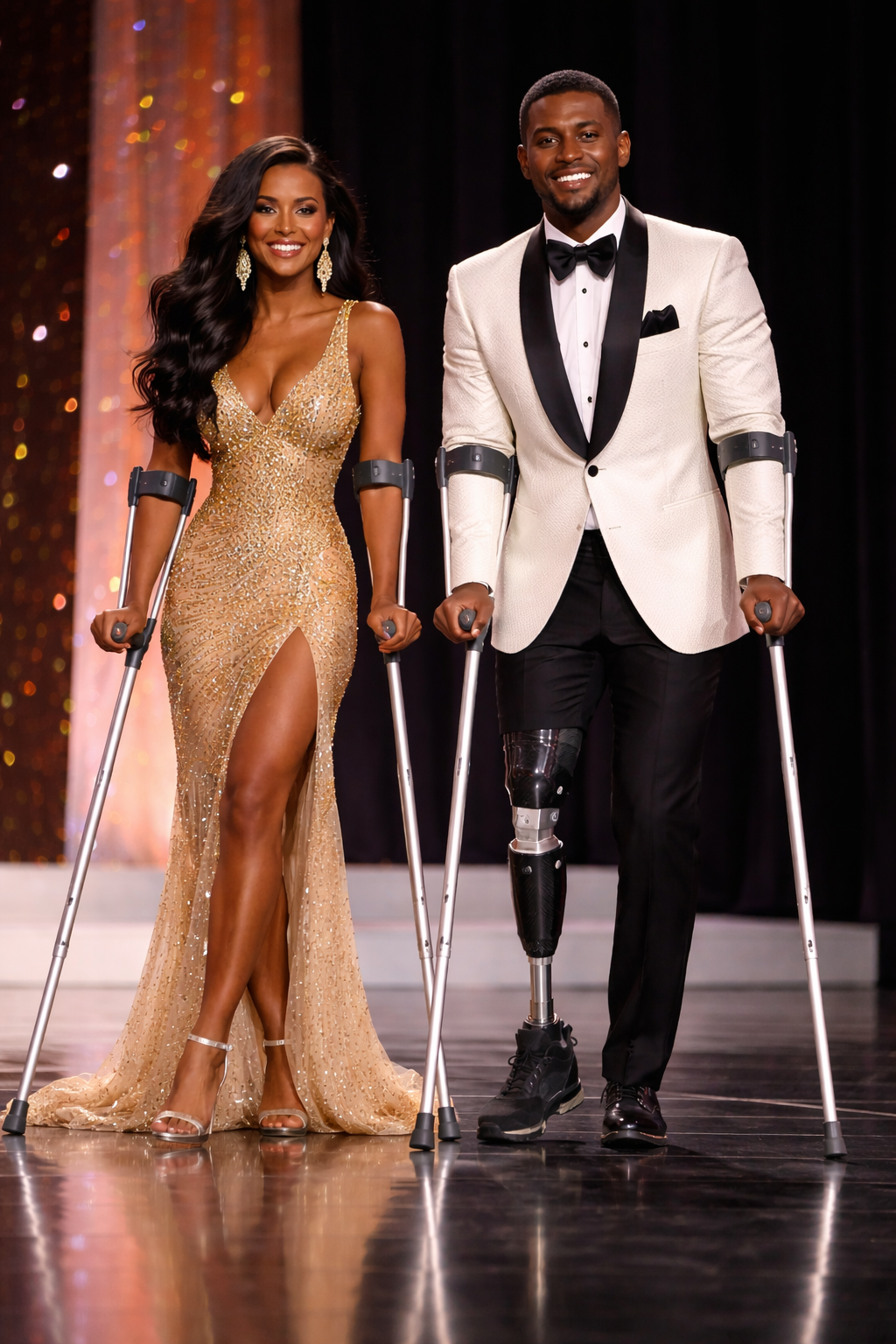
In recent years, pageantry has increasingly adopted the language of inclusion, positioning itself as a platform where diversity of background, body type, and advocacy is openly celebrated. Across Nigeria and the global pageant circuit, this shift reflects broader cultural conversations about representation and visibility. Yet when inclusion intersects with disabilities that directly affect movement, balance, and stage execution, the industry enters a far more complex and uncomfortable space, one where intention and structure do not always align.
Standard beauty pageants, particularly those that produce national delegates for international platforms such as Miss World and Miss Universe, remain fundamentally movement-based competitions. Contestants are assessed through live physical performance, including catwalk control, posture, spatial awareness, choreography, stamina during rehearsals, and on-camera presence. These elements are not symbolic gestures. They are core evaluation tools that determine ranking and outcomes.
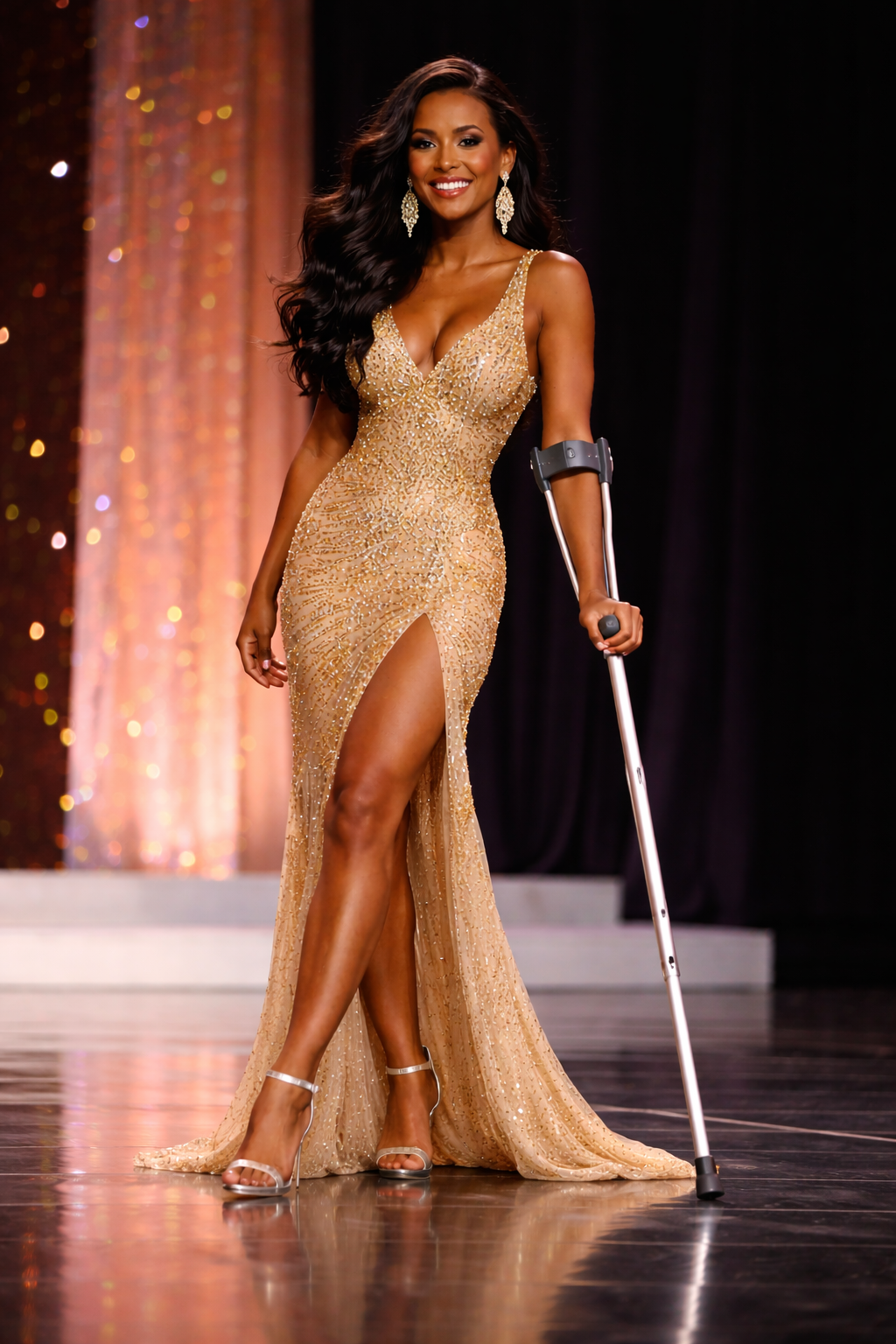
When a contestant lives with a disability that significantly alters mobility, the competitive equation changes. The issue is not the presence of difference, but the mechanics of comparison within a system designed to rank participants side by side. Meaningful accommodation would require redesigned runway expectations, modified choreography, adjusted judging metrics, and reeducation of adjudicators. Without these structural changes, contestants are no longer being evaluated within the same framework, raising legitimate questions about fairness and comparability.
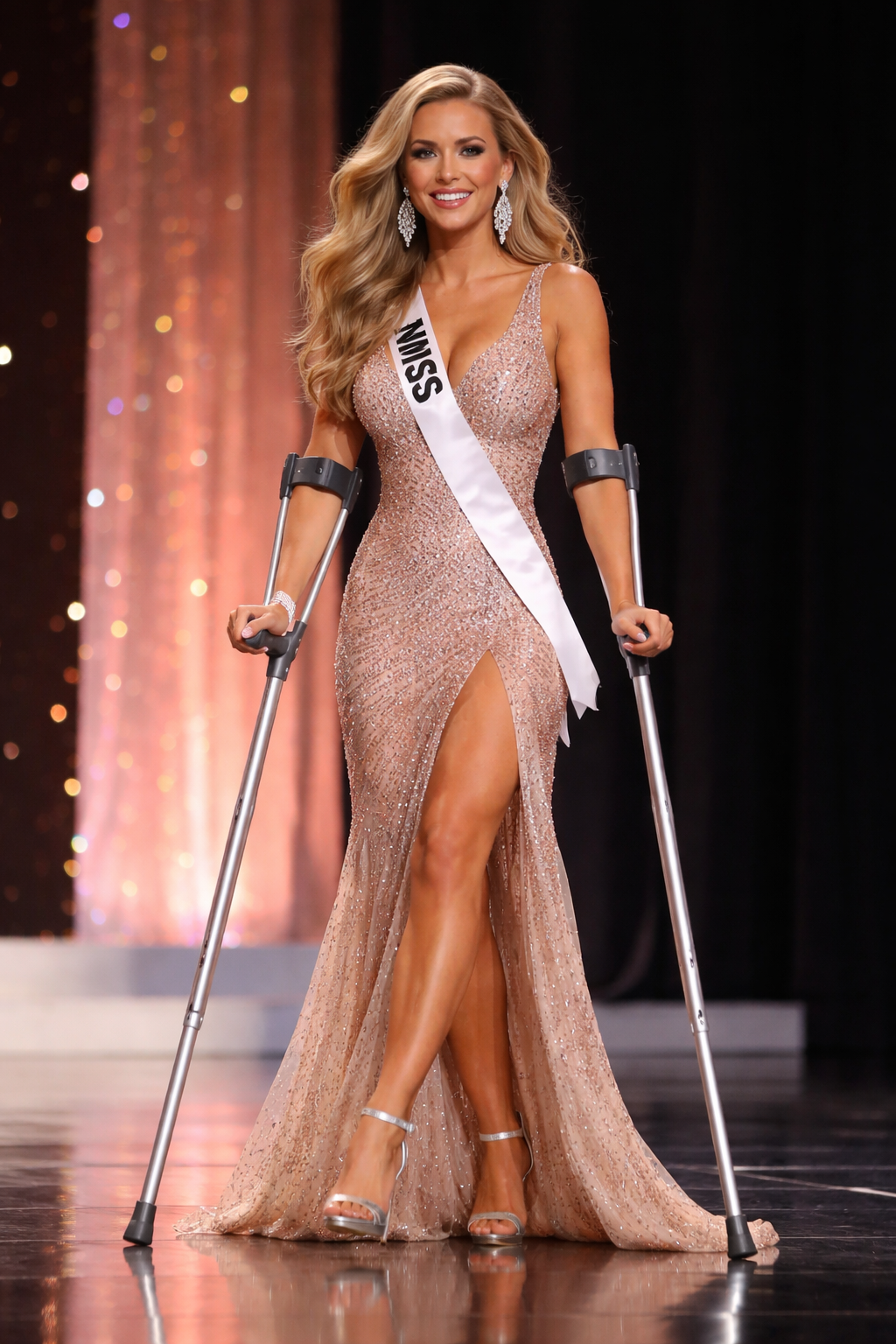
Across several pageant systems globally, a visible pattern has emerged. Contestants with mobility-affecting disabilities are welcomed and celebrated, their participation framed as historic and emotionally resonant. Media attention follows, yet judging structures remain largely unchanged. Final outcomes frequently shift toward special recognition or advocacy-based acknowledgments rather than the crown itself. While visibility matters, this pattern raises concerns about whether participation consistently translates into realistic competitive opportunity.

For delegate-sending pageants, the responsibility becomes even more delicate. If international systems retain traditional staging formats, physical expectations, and judging precedents, national franchises face an obligation to communicate honestly about what remains achievable within those constraints. Without that clarity, inclusion risks becoming symbolic rather than substantive, offering presence without pathway.
As pageantry continues to evolve, the question of where true inclusion begins remains unresolved. Some argue that change must originate at the international level where competition frameworks are defined. Others believe national systems should lead reform even if global platforms lag behind. Proposals range from redefined competitive standards to parallel platforms of equal prestige, or a broader rethinking of what excellence in pageantry should represent today.
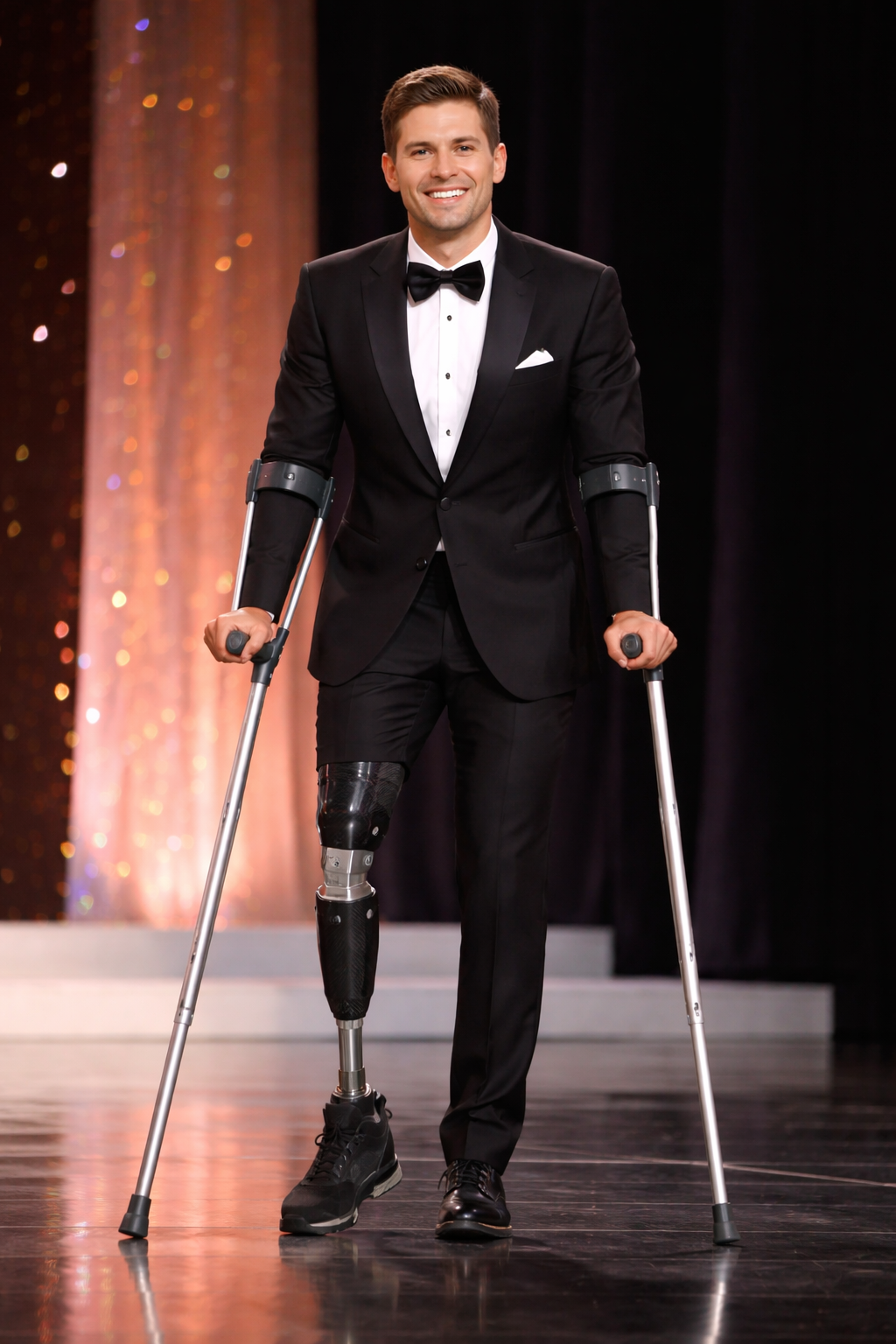
There are no simple answers. But the future credibility of the industry may depend on how openly these tensions are acknowledged. Can standard pageants remain movement-based while claiming full inclusion? Is participation meaningful without a realistic crown pathway? Should national systems align strictly with global expectations or challenge them? Where does inclusion end and performative representation begin? These are not rhetorical questions. They require honest, professional engagement. For an industry governed by rigid standards and significant emotional, financial, and personal investment, clarity matters. Before contestants commit their time, resources, and hope, the industry owes them transparency about whether inclusion represents genuine opportunity or symbolic participation.
We want to hear from you: What do you think is the right approach for pageantry in Nigeria? Should national pageants lead the way in redefining inclusion, or should they align strictly with global expectations? Is participation without a realistic crown pathway still meaningful? Share your thoughts and join the conversation.