.jpeg)
Nigerian fashion commands attention not by imitation but by assertion, defining its place within global style through identity, craftsmanship, and cultural clarity. Within this landscape, celebrity endorsement functions as a decisive amplifier, transforming local design into internationally recognized visual language. The relationship between public figures and fashion brands is no longer incidental; it is a strategic alignment where influence, aesthetics, and market expansion converge with precision.
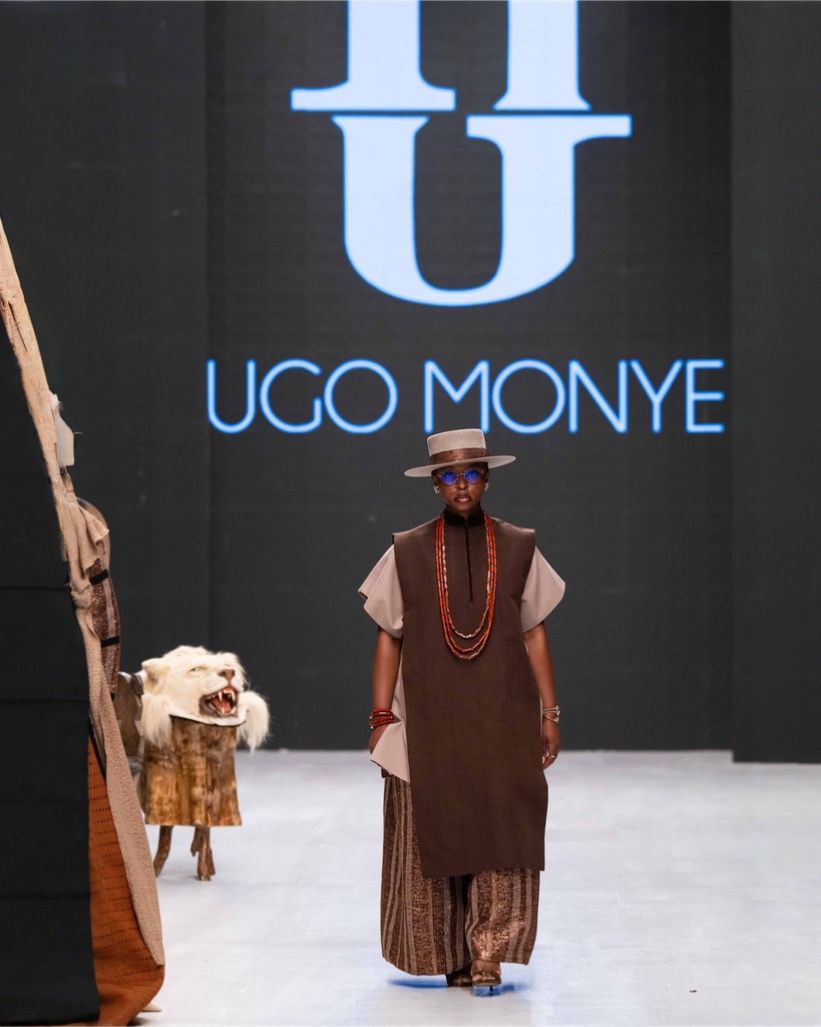
Nigerian designers have increasingly positioned celebrity platforms as gateways to global relevance. Appearances at international events, editorial placements, and digital campaigns extend the reach of locally produced garments beyond domestic boundaries. When high profile figures adopt these designs in visible cultural moments, they act as conduits of translation, carrying Nigerian craftsmanship into broader style conversations. This dynamic has steadily shifted global attention toward a fashion ecosystem once considered peripheral, now recognized for its originality and depth.
Designers such as Lisa Folawiyo, Orange Culture, and Kenneth Ize illustrate this progression with clarity. Their work integrates indigenous textiles and traditional techniques into contemporary silhouettes that resonate across markets without compromising cultural integrity. Through deliberate design language, they maintain authenticity while achieving accessibility, ensuring that Nigerian fashion is presented as both rooted and progressive. Celebrity endorsement reinforces this positioning, lending visibility and validation within competitive international spaces.
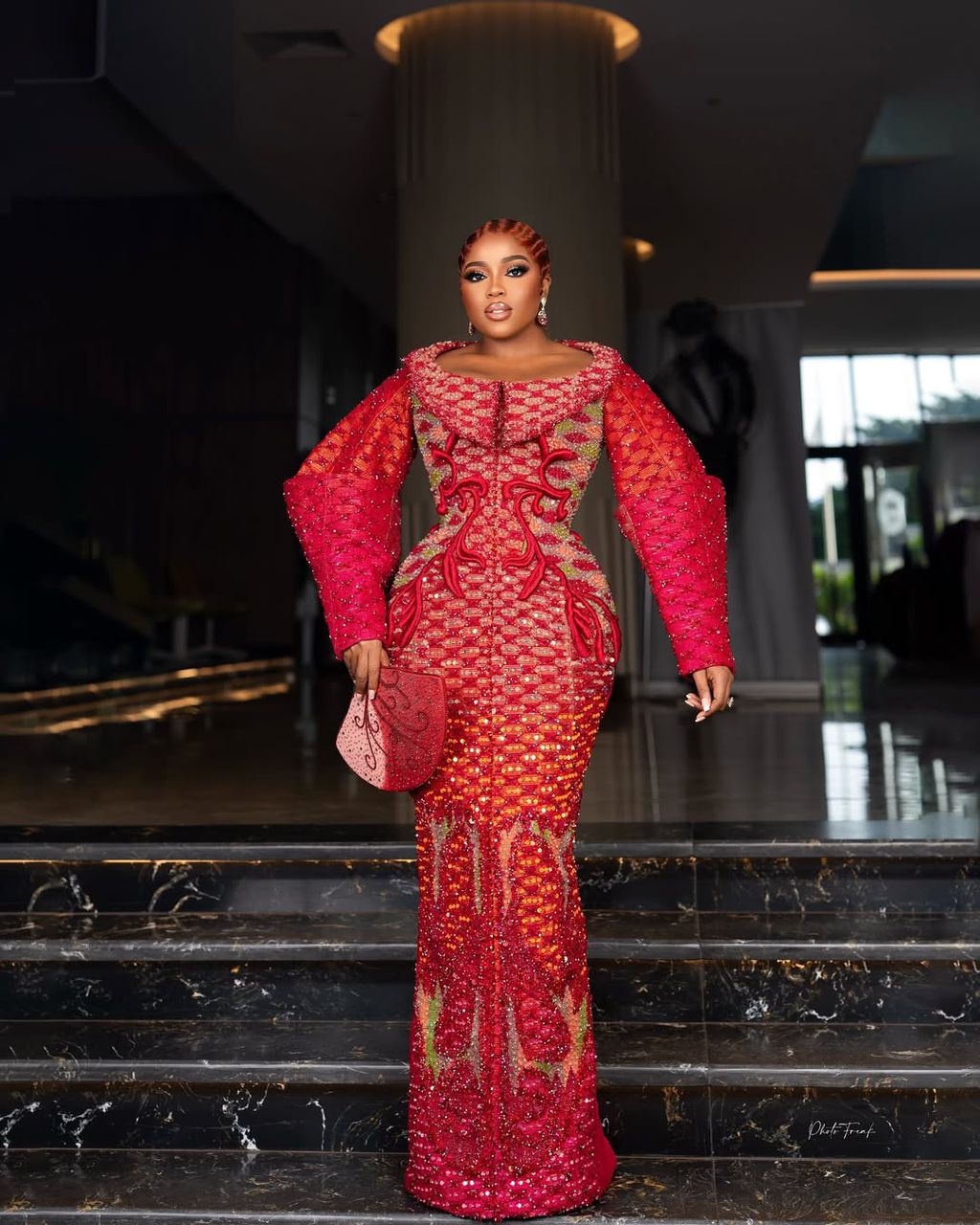
Beyond exposure, celebrities shape the narrative of Nigerian fashion through interpretation and presentation. Styling decisions, red carpet appearances, and brand collaborations influence how garments are understood, connecting them to identity, status, and cultural pride. Each appearance becomes a form of storytelling, where design intent is filtered through personal image and public reception. This interaction produces a layered narrative in which Nigerian fashion is continuously redefined without losing its foundational essence.
Global visibility, however, introduces structural demands that extend beyond design. Consistency in quality, scalability in production, and clarity in brand positioning become essential as international interest grows. Designers must navigate evolving expectations while preserving the distinctiveness that defines their work. This balance between expansion and authenticity remains central to sustaining relevance within a competitive global industry.
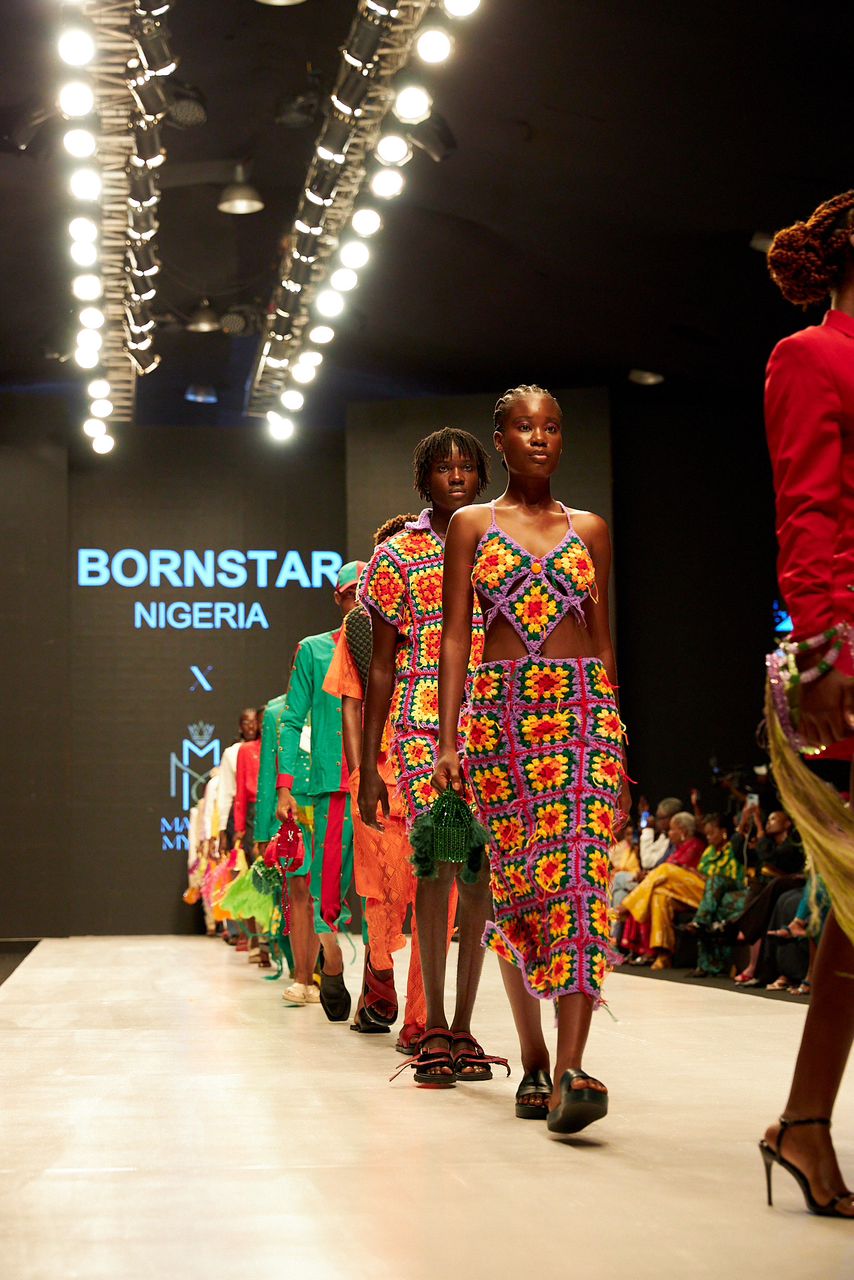
The convergence of celebrity influence and Nigerian design signals a decisive shift in fashion power dynamics. It reflects an industry that is no longer seeking validation but commanding recognition through originality and strategic visibility. As Nigerian designers continue to engage global audiences, their work affirms a broader cultural reality: African fashion is not emerging, it is establishing, shaping how the world sees, values, and interprets contemporary style.