In the contemporary landscape of Nigerian celebrity culture, visibility has become both currency and strategy. Within this high-exposure environment, two contrasting models of fame have emerged. On one end are figures who command attention through volume, spectacle, and constant presence. On the other are those who move with precision, curating their appearances and messaging with deliberate restraint. This contrast between the loud and the intentional reflects a deeper evolution in how influence is built, sustained, and interpreted in an era defined by digital immediacy and global reach.
The loud model thrives on dominance of space. It is characterised by frequent releases, bold aesthetics, high social media activity, and relentless engagement with public discourse. In Nigeria’s music and entertainment sectors, this approach often translates into chart visibility, viral moments, and cultural saturation. Artists such as Zlatan and Portable have, at different moments, demonstrated the efficacy of this strategy, using energy, boldness, and constant output to remain at the centre of conversation. Its strength lies in the ability to capture attention quickly and maintain relevance in fast-moving cultural cycles.

Yet, visibility at this scale carries inherent risks. Overexposure can dilute impact, while continuous engagement leaves limited room for narrative control. In a digital ecosystem where audiences are both consumers and critics, the loud approach demands perpetual momentum to sustain interest. Without evolution or refinement, momentary prominence risks fading before it can be converted into enduring influence.
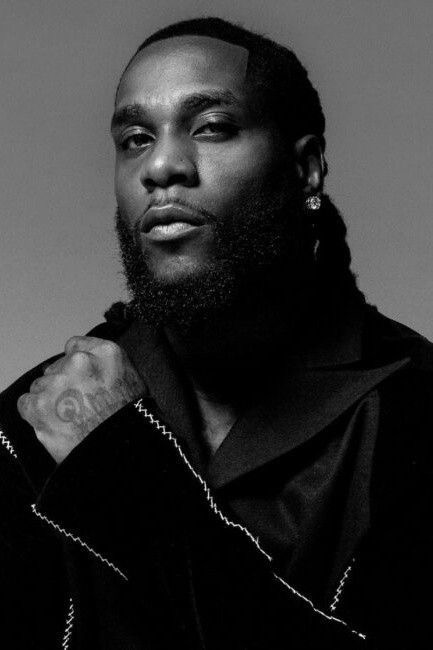
The intentional model, by contrast, operates on scarcity and precision. It is defined by selective appearances, carefully timed releases, and a controlled public image. This approach prioritises quality over quantity, allowing each moment to carry significant weight. Figures such as Tems and Burna Boy exemplify this strategy, maintaining measured visibility while delivering work that resonates both locally and internationally. Their presence is not constant, but when it occurs, it is impactful, often aligned with major artistic or cultural milestones.

This model benefits from a cultivated sense of anticipation. By limiting access, intentional figures generate intrigue, positioning themselves as artists rather than personalities defined solely by engagement metrics. It also allows for greater narrative ownership, giving them the ability to shape how their stories are told across platforms and markets. In an industry increasingly influenced by global standards, this control can translate into longevity and cross-border credibility.
Nonetheless, intentionality presents its own challenges. Reduced visibility can create distance from rapidly evolving audience conversations, particularly within Nigeria’s highly interactive digital culture. Maintaining relevance while limiting exposure requires strategic timing, strong branding, and consistent delivery of high-quality work. Without these elements, absence may be misinterpreted as disengagement.

Increasingly, it is evident that neither model exists in isolation. The most effective Nigerian celebrities navigate between both extremes, amplifying presence when necessary and retreating when strategy demands. Loudness can generate entry into the spotlight, while intentionality sustains it. Together, they form a dynamic framework through which modern fame is negotiated.
As Nigerian culture continues to expand its global footprint, the balance between these approaches will shape the next generation of influence. Fame is no longer measured solely by how often one is seen, but by how deliberately that visibility is managed. In this evolving equation, the distinction between the loud and the intentional is less about opposition and more about mastery—a reflection of how public figures choose to exist within, and ultimately define, the cultural moment.