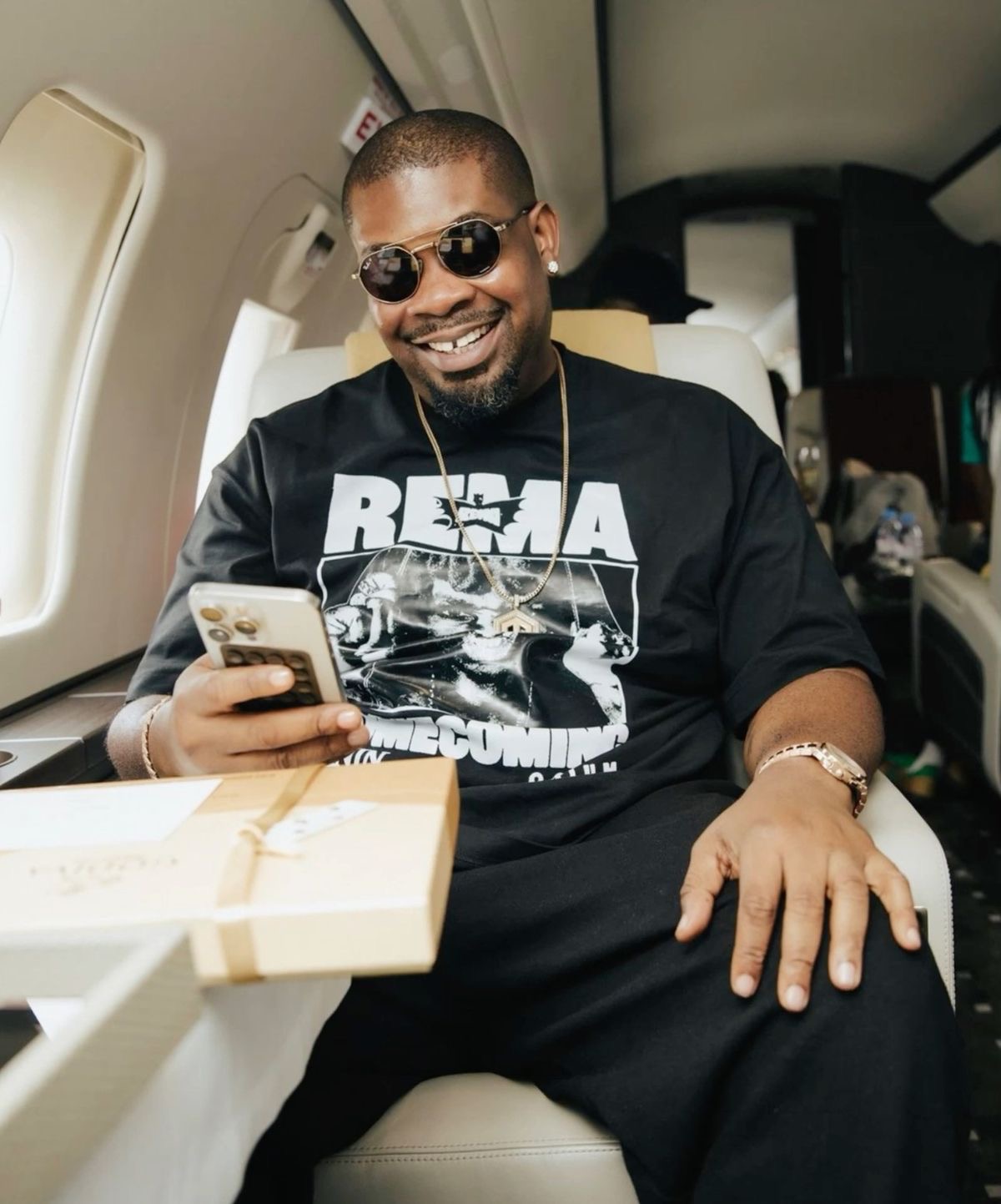
In the contemporary structure of Nigerian celebrity culture, influence is increasingly shaped by how public figures choose to engage with visibility and control. As the industry expands across music, film, fashion, and digital media, two distinct approaches have emerged. On one side are those who thrive through constant presence, commanding attention through performance, personality, and audience interaction. On the other are those who operate with calculated restraint, building influence through deliberate planning and strategic execution. This contrast between the performers and the planners reflects a deeper evolution in how modern stardom is constructed and sustained.
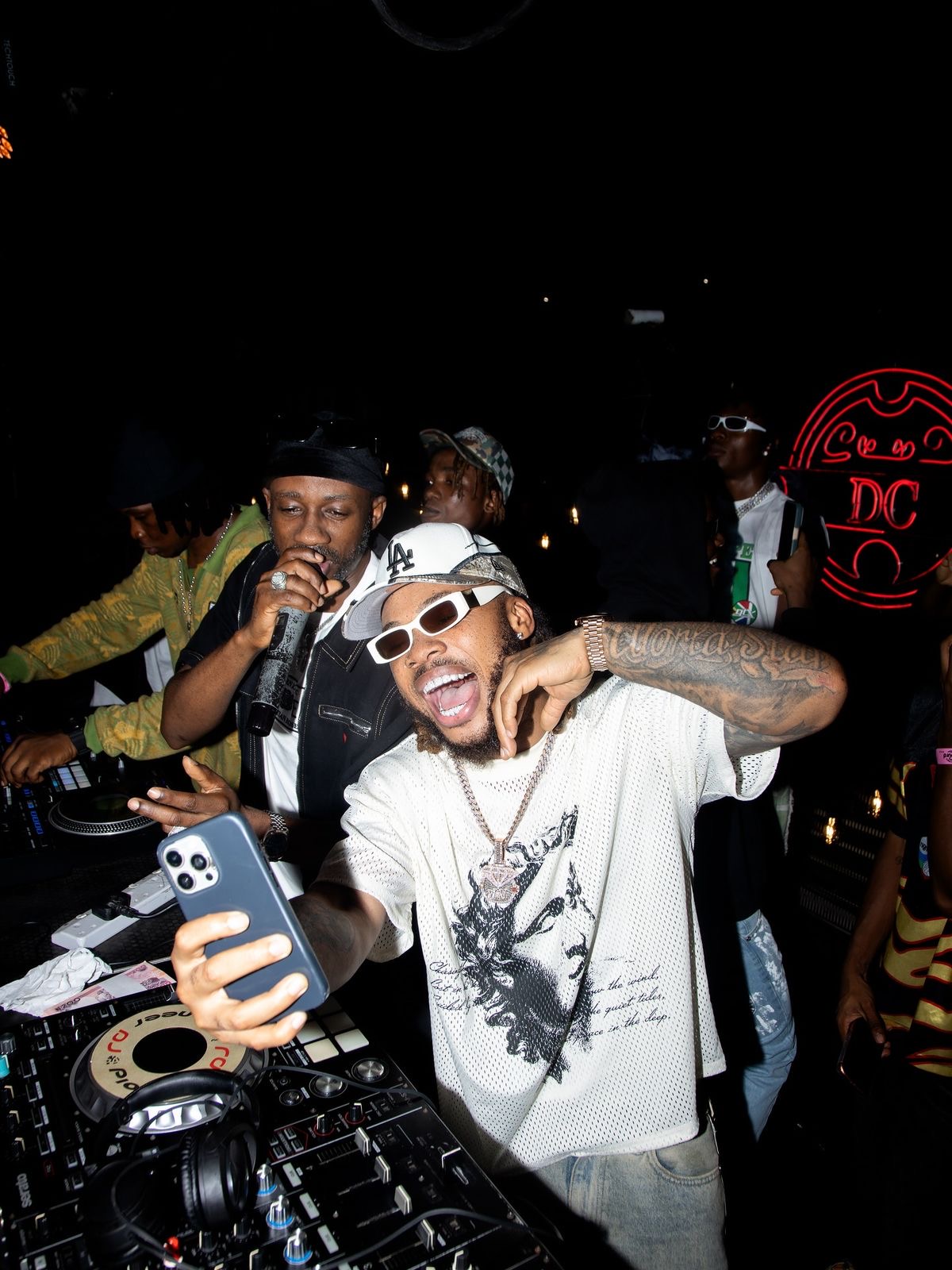
The performers dominate through immediacy. Their influence is rooted in visibility, energy, and continuous engagement with audiences. Nigerian figures such as Poco Lee and Bobrisky exemplify this approach, maintaining relevance through dynamic appearances, consistent social media activity, and a strong connection to popular culture. Their presence is constant, their personalities highly expressive, and their ability to generate conversation often extends beyond their primary craft into broader lifestyle and cultural discourse.

This model thrives in a digital environment where attention functions as both currency and competition. By remaining consistently visible, performers ensure they occupy space within public consciousness, shaping trends and driving engagement in real time. However, this level of exposure requires sustained momentum. Without continuous evolution, the risk of oversaturation can reduce impact, making it difficult to transition from momentary visibility to lasting influence.
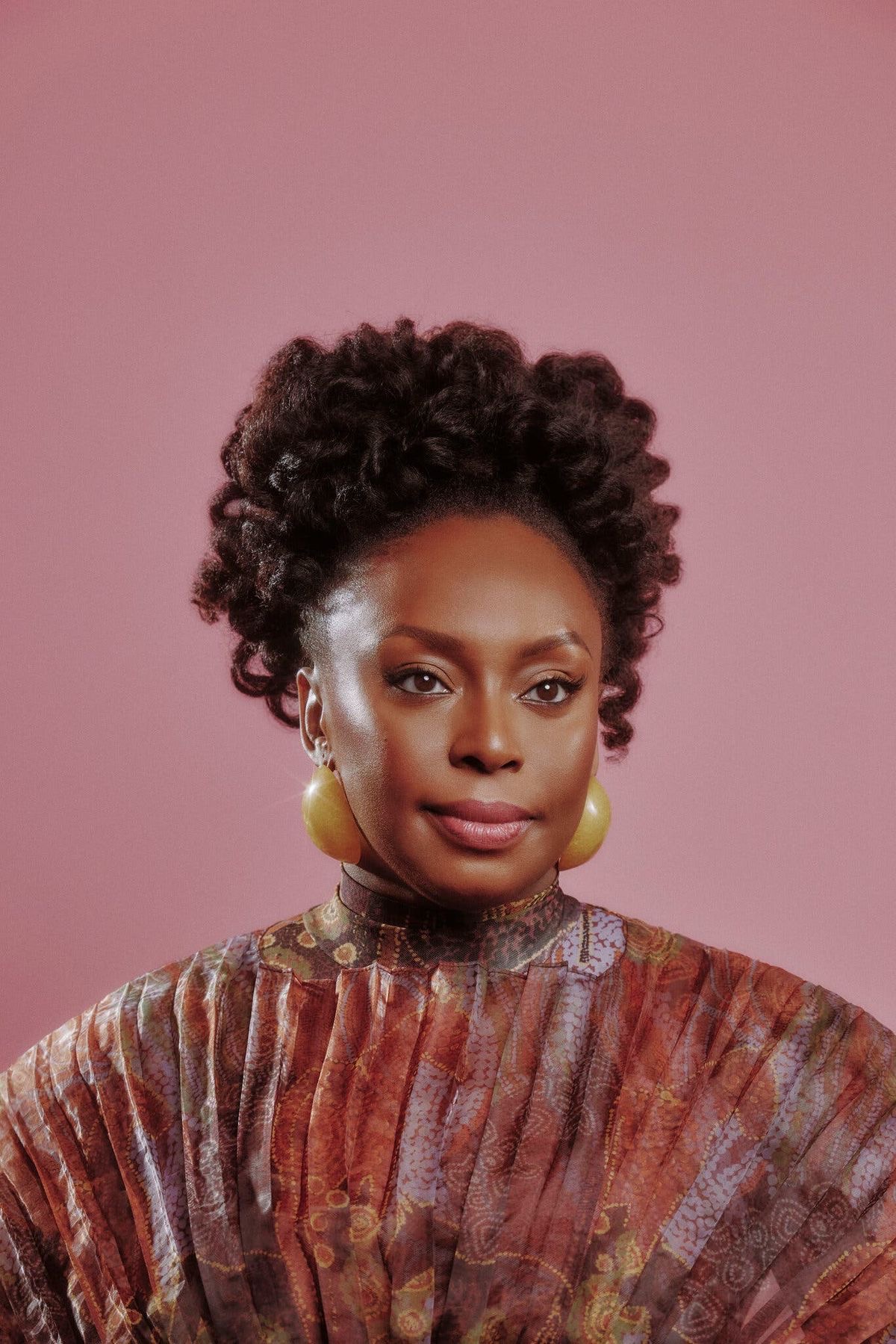
The planners operate through precision and control. Their approach is defined by selective appearances, carefully timed releases, and a long term vision that extends beyond immediate attention. Figures such as Don Jazzy and Chimamanda Ngozi Adichie illustrate this strategy, maintaining a measured public presence while shaping significant cultural and industry narratives. Their influence is not dependent on constant visibility, but on the weight and intention behind each engagement.
This approach allows for greater narrative ownership and sustained credibility. By prioritising quality over quantity, planners create moments that resonate more deeply, often aligning their work with broader cultural and intellectual discourse. In a global context, this level of intentionality supports longevity, positioning them not only as public figures but as architects of influence within their respective fields.
The distinction between these two approaches is not absolute. Increasingly, Nigerian celebrities are blending elements of both, recognising that performance can generate entry into the spotlight, while planning secures long term relevance. The most effective figures understand when to amplify their presence and when to exercise restraint, using visibility as a strategic tool rather than a constant state.
This balance is further shaped by the realities of digital culture, where audiences expect both access and authenticity. Social media encourages continuous interaction, yet it also rewards those who maintain a degree of exclusivity. In this context, performers capture attention, while planners sustain it, creating a dynamic interplay that defines modern celebrity influence.
Ultimately, the contrast between performers and planners reflects a broader shift in Nigerian stardom, where influence is no longer incidental but deliberately constructed. As the industry continues to evolve on a global stage, the ability to navigate both immediacy and intention will determine not only who is seen, but who endures. In this landscape, true influence lies in mastering the balance between expression and control, presence and purpose, performance and planning.