Streaming platforms have become an integral part of modern entertainment in Nigeria, reshaping how audiences engage with film, television, and original digital content. Services such as Netflix, Showmax, and Amazon Prime Video have introduced an on-demand viewing culture to a rapidly evolving media landscape, offering Nigerian audiences unprecedented access to both local and international productions. Yet beyond this visible growth lies a set of structural challenges that continue to shape the sustainability and long-term viability of these platforms within the Nigerian market.
One of the most persistent challenges is piracy, a long-standing issue within the Nigerian entertainment ecosystem. At its core, piracy involves the unauthorised distribution of digital content without proper licensing or compensation to creators and distributors. In Nigeria, this practice remains widespread, driven by informal distribution networks, mobile file sharing, and unregulated websites. Films and series often circulate online shortly after release, significantly undercutting legitimate viewership. For streaming platforms investing heavily in content acquisition and original productions, this results in substantial revenue losses and reduces the incentive to fund large-scale Nigerian storytelling.

Equally significant is the challenge of low disposable income, which continues to shape consumer behaviour across the country. While subscription fees for major streaming platforms may appear affordable in global markets, they often compete directly with essential household expenses in many Nigerian homes. In this context, paid entertainment is frequently deprioritised, limiting subscriber growth even as demand for digital content continues to rise and creating a gap between audience interest and actual revenue generation.
These two pressures combine to form a cycle that constrains industry growth. Piracy reduces potential earnings, while limited purchasing power restricts subscription uptake. Together, they weaken the financial capacity required for sustained investment in original Nigerian productions. For an industry that has gained international visibility through Nollywood content on global platforms, this presents a significant barrier to long-term expansion.
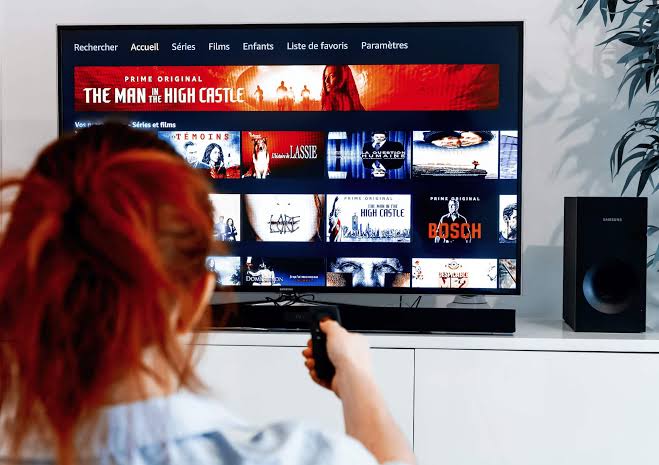
The effects extend beyond the platforms themselves. Reduced investment in local productions impacts actors, filmmakers, writers, and the wider creative workforce that depends on a thriving entertainment ecosystem. Streaming services have played a crucial role in elevating Nigerian stories to global audiences, commissioning original films and series that reflect the country's cultural depth. Any disruption to this model risks slowing the momentum that has positioned Nigeria as a major cultural exporter.
Addressing these challenges requires a coordinated and practical approach. Stronger enforcement of intellectual property laws is necessary to curb piracy and protect creative assets. At the same time, platforms must continue to develop flexible pricing models that reflect local economic realities, including mobile-based subscriptions and tiered plans. Strategic partnerships with telecommunications providers and the introduction of ad-supported viewing options may also improve accessibility and expand audience reach.
Ultimately, the future of streaming platforms in Nigeria extends beyond corporate performance. It sits at the intersection of culture, technology, and economic development. As global demand for Nigerian stories continues to grow, the ability of these platforms to navigate structural challenges will play a defining role in shaping the next phase of the country's creative economy.