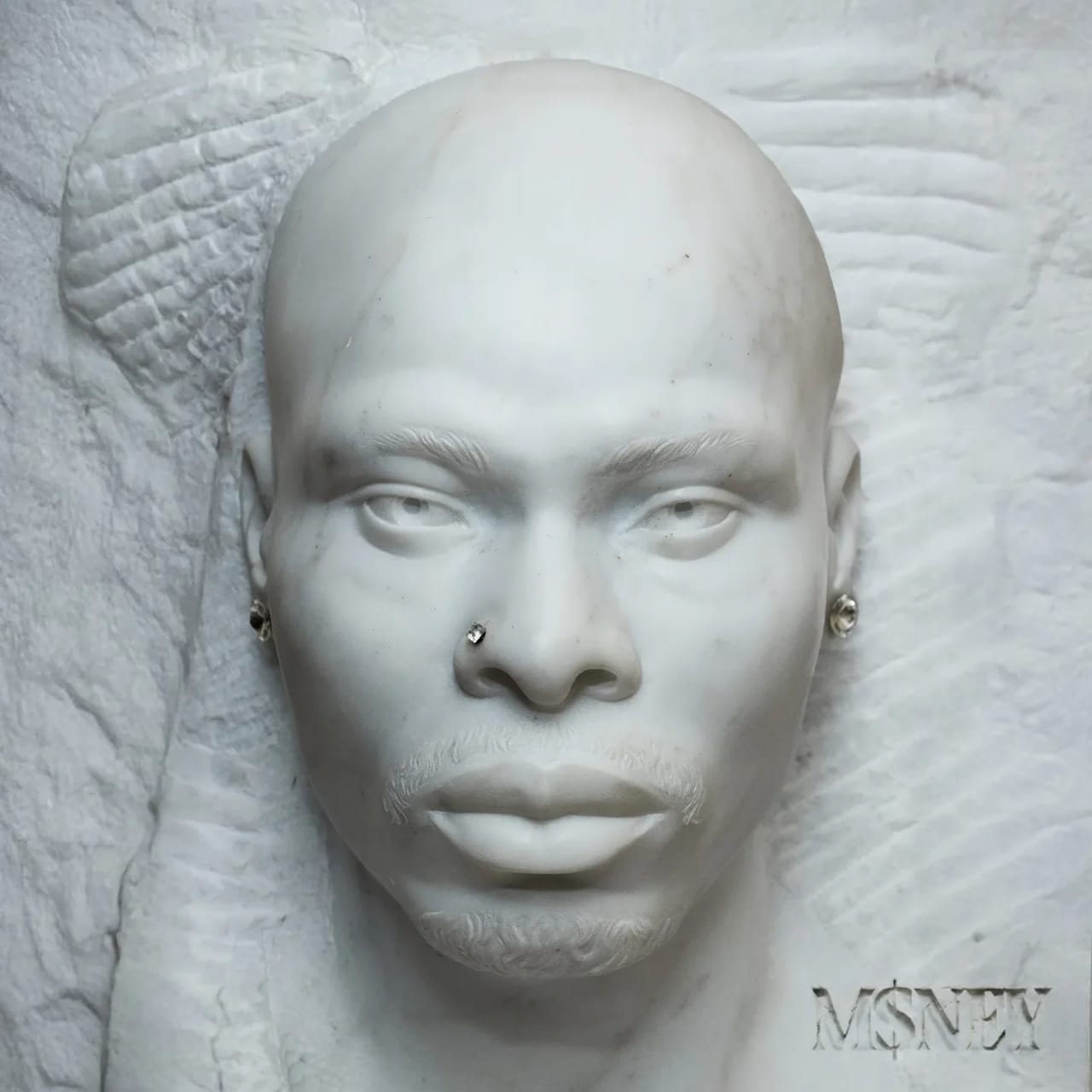
Asake enters a new phase with M$NEY, an album that signals control, clarity, and a deeper sense of artistic direction. His fourth studio project arrives at a time when the Afrobeats landscape is expanding rapidly, and rather than chase that momentum, he sharpens his own identity within it. This is not positioned as a reinvention. It is a refinement of a formula that has already proven effective, now delivered with greater confidence and ownership.
The structure of the album immediately stands out. Across 13 tracks, Asake carries the weight of the project largely on his own, a decision that places his artistry at the centre of the experience. He leans into the elements that have defined his rise. Neo-Fuji influences, street-rooted energy, and a fluid Afro-fusion sound that connects across different audiences. The result is a body of work that feels deliberate in both construction and execution.

From the opening track, Intro, the album establishes its tone with purpose. The sequencing maintains a steady rhythm, balancing high-energy moments with stretches of reflection. Songs like Gratitude, Amen, and Forgiveness introduce a more introspective layer, revealing an artist who is increasingly aware of the messages embedded within his music. These moments add emotional weight without disrupting the overall pace of the project.
WORSHIP, featuring DJ Snake, shifts the sonic palette early in the album. The track brings in an EDM influence that expands the sound without feeling disconnected from the core identity of the project. It reads as a calculated move, one that positions Asake within a broader global conversation while still maintaining his stylistic foundation.
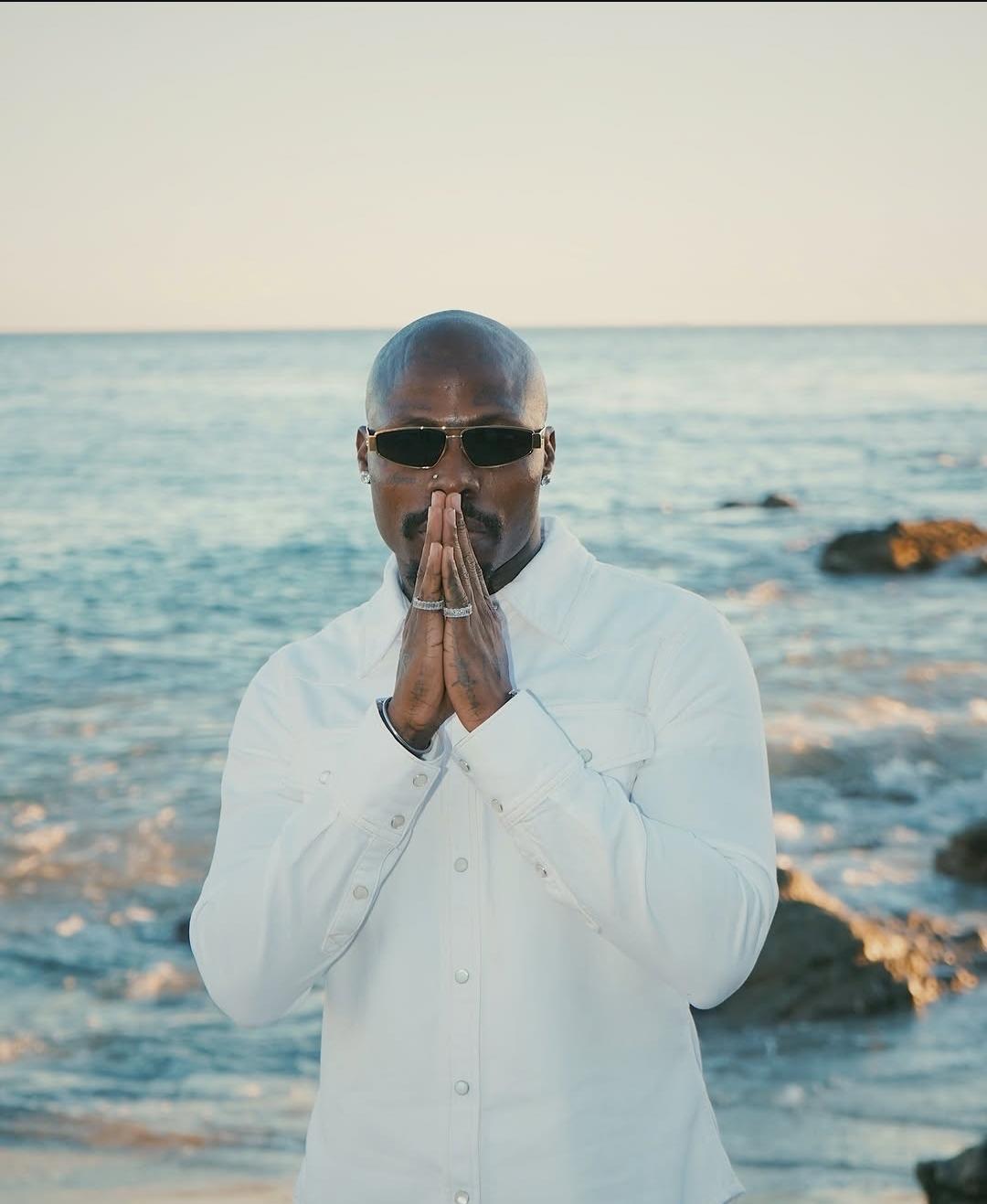
On BADMAN GANGSTA with Tiakola, the blend of Afrobeats and French rap creates a smooth cross-cultural exchange. Both artists find a shared rhythm, allowing the collaboration to feel cohesive rather than experimental for its own sake. A similar adaptability is evident on ASAMBE featuring Kabza De Small, where Amapiano textures shape the track through log drums and deep house elements. Asake adjusts seamlessly, preserving his vocal identity while engaging a different sonic environment.
Beyond the features, the album’s core strength lies in its consistency. Tracks like Rora, Wa, WHY LOVE, and Oba sustain the project’s momentum, reinforcing Asake’s ability to craft songs that are immediate yet durable. There is a clear understanding of pacing, melody, and audience connection, all of which contribute to the album’s replay value.
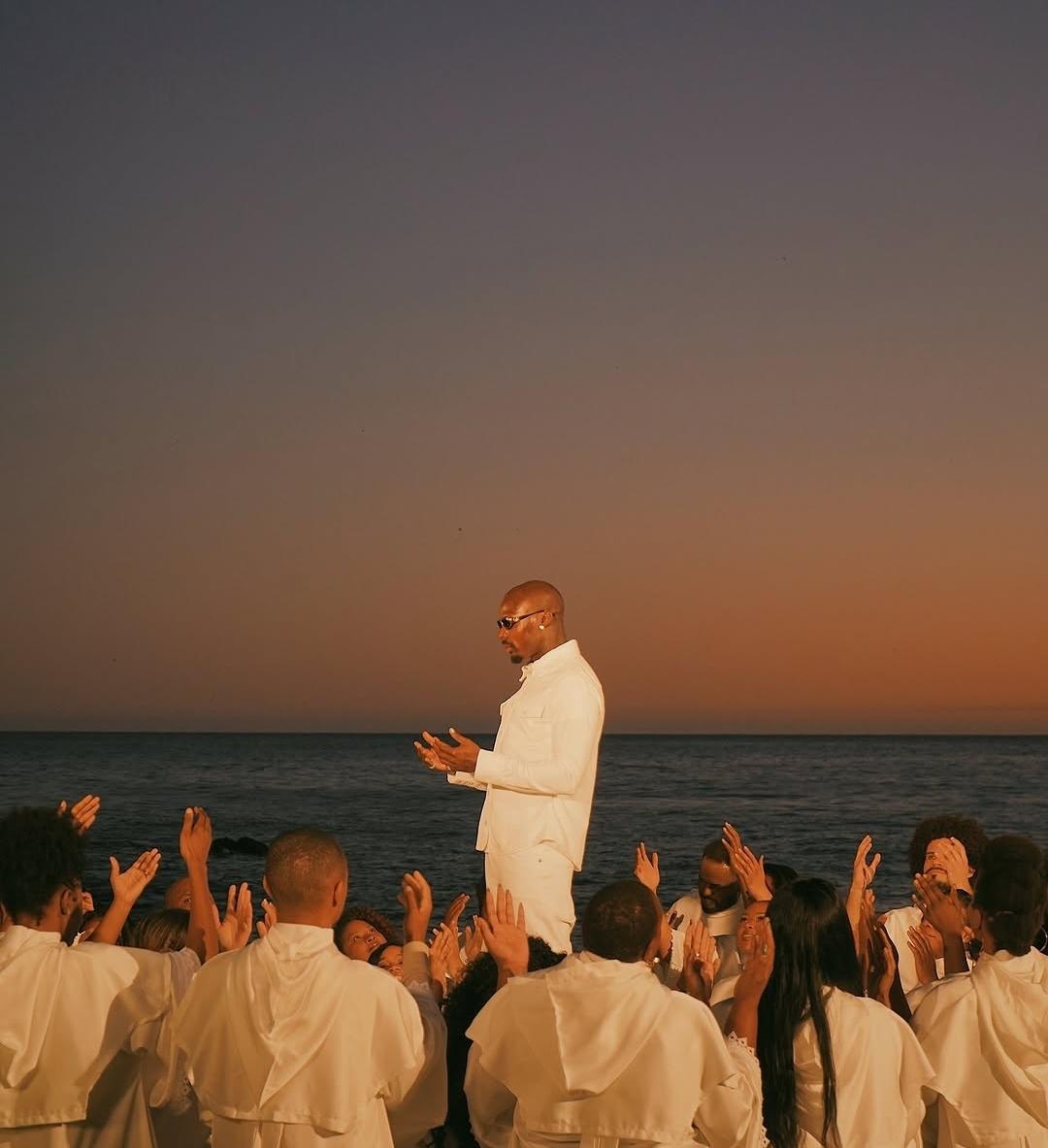
Released under his independent imprint, Giran Republic, M$NEY also marks a significant shift in ownership. It reflects an artist taking control of his creative and commercial direction, a move that adds another layer of meaning to the project. Independence here is not just symbolic. It translates into a cohesive vision that runs through the album.
The project remains close to Asake’s established sound, and that familiarity may leave some listeners expecting a more dramatic evolution. However, the album does not aim for abrupt transformation. Its progression is measured, focused on strengthening what already works rather than abandoning it.
M$NEY succeeds because it understands its identity. It is energetic without excess, structured without rigidity, and grounded in a clear artistic vision. Asake is not simply maintaining his place within the industry. He is building a framework around his sound, one that continues to grow more defined with each release.