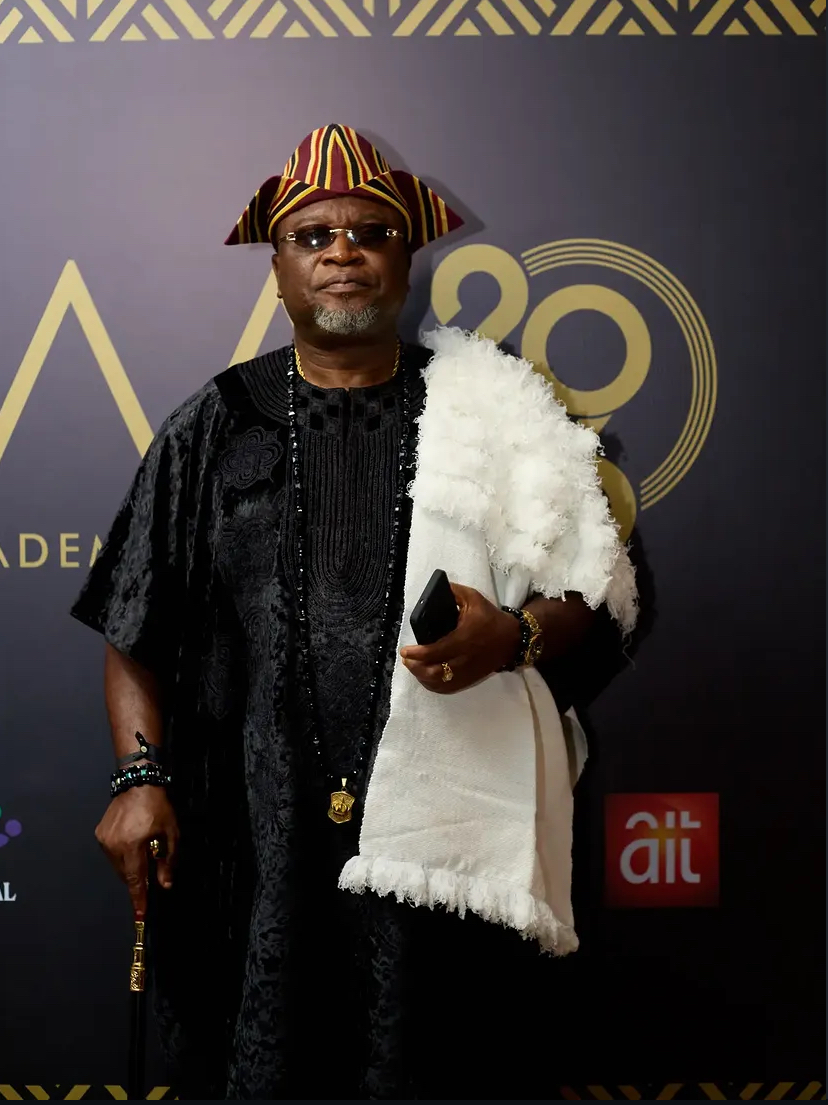
A film set is where actors bring stories to life, sometimes putting their bodies through demanding scenes to make a performance believable. But what happens when a stunt goes wrong, an actor is unable to work for months or even years, and the career that once provided a livelihood suddenly comes to a standstill? For Nollywood actor Femi Branch, that question became a painful reality, one that has reopened an important conversation about the welfare of performers in Nigeria’s film industry.
Branch recently recounted how an injury sustained during a stunt rehearsal in Ikorodu, Lagos, kept him away from work for two years. Speaking during an interview on the African A-List show, the actor explained that he was playing a security officer in a production that required him to jump from a one-storey building. Wearing heavy boots as part of his costume, he landed badly, causing both feet to swell inside the footwear. According to his account, the incident left him unable to continue working for an extended period.
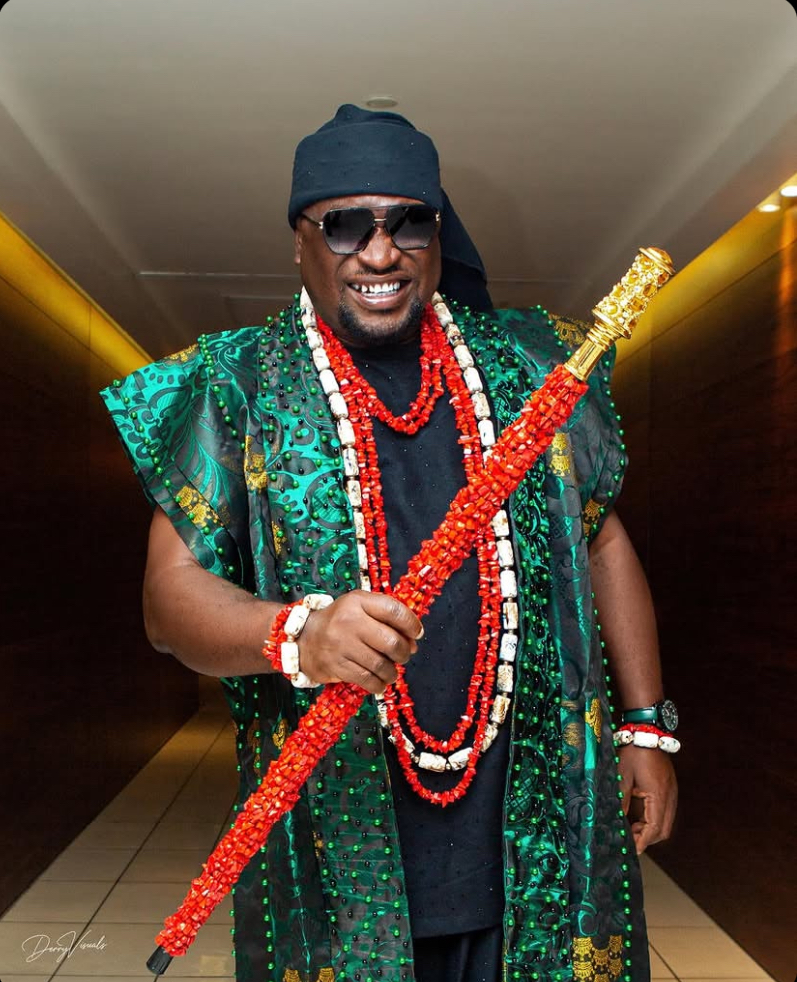
The physical injury was only the beginning of the difficulties that followed. Branch said he received virtually no calls from colleagues during his two-year absence, despite previously being an active presence in the industry. He recalled that the only person who reached out was Hassan Goriola, the former husband of actress Ayo Adesanya, someone with whom he had previously had a disagreement. The unexpected gesture stood out against what he described as a largely silent period.
The financial consequences were equally severe. With acting opportunities unavailable, Branch said he struggled to provide for his family and eventually sold his television sets and personal car. He also disclosed that he sold his mother’s car, which she had purchased with her retirement savings. His account offers a sobering picture of how quickly a working actor’s financial stability can collapse when an injury interrupts the ability to earn.
Beyond the personal details, the story raises questions about the arrangements surrounding physical safety and financial protection on Nigerian film sets. When an actor is asked to perform a stunt, who determines whether the activity is safe? Is there a trained stunt professional, adequate supervision, appropriate protective equipment and a clear emergency response plan? More importantly, when an injury occurs during a production, what responsibility does the production company have towards the person injured while carrying out the work?

These questions are not entirely new to Nollywood. The death of actor Junior Pope and four other film practitioners in a boat accident on the River Niger in April 2024 brought the industry’s safety practices under intense scrutiny. The tragedy prompted renewed calls for stronger production protocols and greater accountability for the welfare of cast and crew. Subsequent investigations and reports also highlighted concerns about life jackets, boat registration, the driver's certification and emergency response. The incident demonstrated that the risks associated with filmmaking extend beyond performance to transportation, equipment, location conditions and decisions made during production.
The Actors Guild of Nigeria (AGN) has previously outlined measures intended to address some of these concerns. Its revised bye-laws, which took effect in August 2023, include provisions requiring production documentation, medical personnel and first-aid boxes on set, as well as basic insurance coverage for cast and crew during a production. The guidelines establish expectations for safety, although their effectiveness ultimately depends on consistent implementation and compliance.
In August 2026, the guild’s national president, Abubakar Yakubu, urged actors to enrol in its health insurance scheme and undergo regular medical examinations. Speaking to the News Agency of Nigeria, he said the arrangement was intended to improve access to medical care and support the early detection of health problems. He also expressed concern that some members were not taking advantage of the available scheme, while others who had enrolled had yet to collect their insurance cards or access medical checks.
The existence of these provisions is important, but it also raises questions about implementation. How consistently are production safety requirements enforced? Do actors understand the insurance coverage available to them? Are they protected when an injury occurs during a specific production, or must they depend primarily on personal insurance and guild membership? The distinction matters because having a welfare policy is not the same as ensuring that every performer can access meaningful protection when something goes wrong.
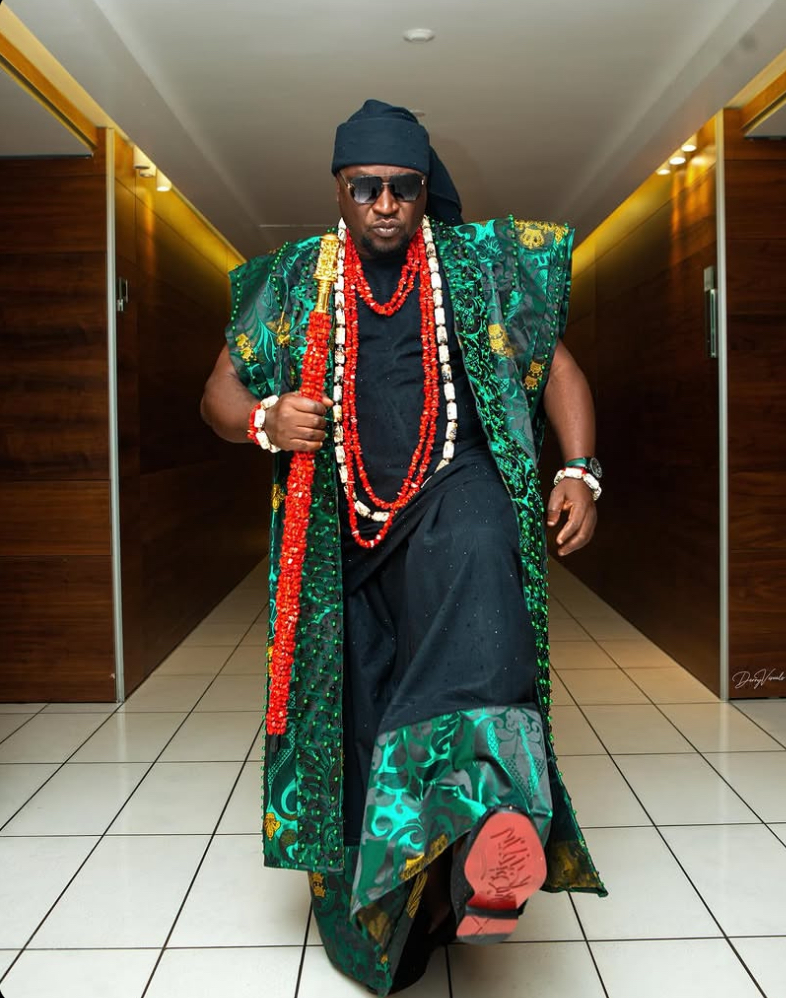
There is also a difference between general health insurance and protection against occupational injury. Routine medical coverage may help an actor access treatment, but it does not necessarily replace lost income during a prolonged recovery. An actor who cannot work for two years may face expenses that extend beyond hospital bills, including rent, family responsibilities, rehabilitation and the loss of future opportunities. A sustainable welfare system must consider these realities rather than treating medical treatment as the only measure of support.
Nollywood’s production structure makes the issue more complicated. Many actors work on a project-by-project basis rather than under permanent employment arrangements. Their income depends on securing roles, negotiating fees and remaining available for productions. This flexibility creates opportunities for performers, but it can also leave them financially exposed when illness, injury or a sudden decline in work interrupts their careers. Without clear contractual provisions, insurance and emergency support, the responsibility for recovery can fall heavily on the individual.
Branch’s experience also draws attention to the human relationships within the industry. His disappointment over the lack of calls from colleagues speaks to the isolation that can accompany professional setbacks. Film industries are built on networks of relationships, recommendations and recurring collaborations. When an actor is active, those networks can create opportunities. But when that actor becomes unavailable, the strength of those relationships may be tested. While no individual colleague is automatically responsible for another person’s financial survival, the wider industry can still benefit from a stronger culture of support and professional solidarity.
This is not an argument that every production company should be held responsible for every personal difficulty an actor experiences. It is an argument that risks arising directly from the work should be addressed through clear responsibilities, transparent agreements and enforceable safety standards. Producers, guilds, insurers and performers all have roles to play in creating an environment where safety is considered before filming begins, not only after an accident occurs.
For an industry that continues to expand its audience and international reach, the welfare of its workforce deserves comparable attention. Nollywood’s growth is often measured through box-office figures, streaming deals, international recognition and the success of its stars. Yet the people who sustain that growth also need systems that protect them when their ability to work is compromised.
Femi Branch’s account is a reminder that an actor’s career can be interrupted by a single incident, and the consequences can extend far beyond the film set. His story does not, on its own, establish the circumstances of every production or the absence of existing insurance arrangements. It does, however, make the questions difficult to ignore: what protection is available to an actor injured while working, how reliably can that protection be accessed, and who ensures that the performer is not left to carry the entire burden alone?
Nollywood has built an industry around telling stories that audiences remember. The welfare of the people who bring those stories to life must become part of the industry’s own story. Recognition should not begin and end with applause. It should also include the assurance that when an actor is injured, unable to work or facing an uncertain future, there is a system capable of standing behind them.