In the contemporary landscape of Nigerian celebrity culture, the tension between relevance and longevity has become one of the defining conversations shaping public perception and career strategy. As the industry expands across music, film, fashion, and digital media, the question is no longer simply how to achieve fame, but how to sustain it. The distinction between remaining visible in the present moment and building a career that endures over time reflects a broader shift in how success is measured within an increasingly globalised and digitally driven environment.
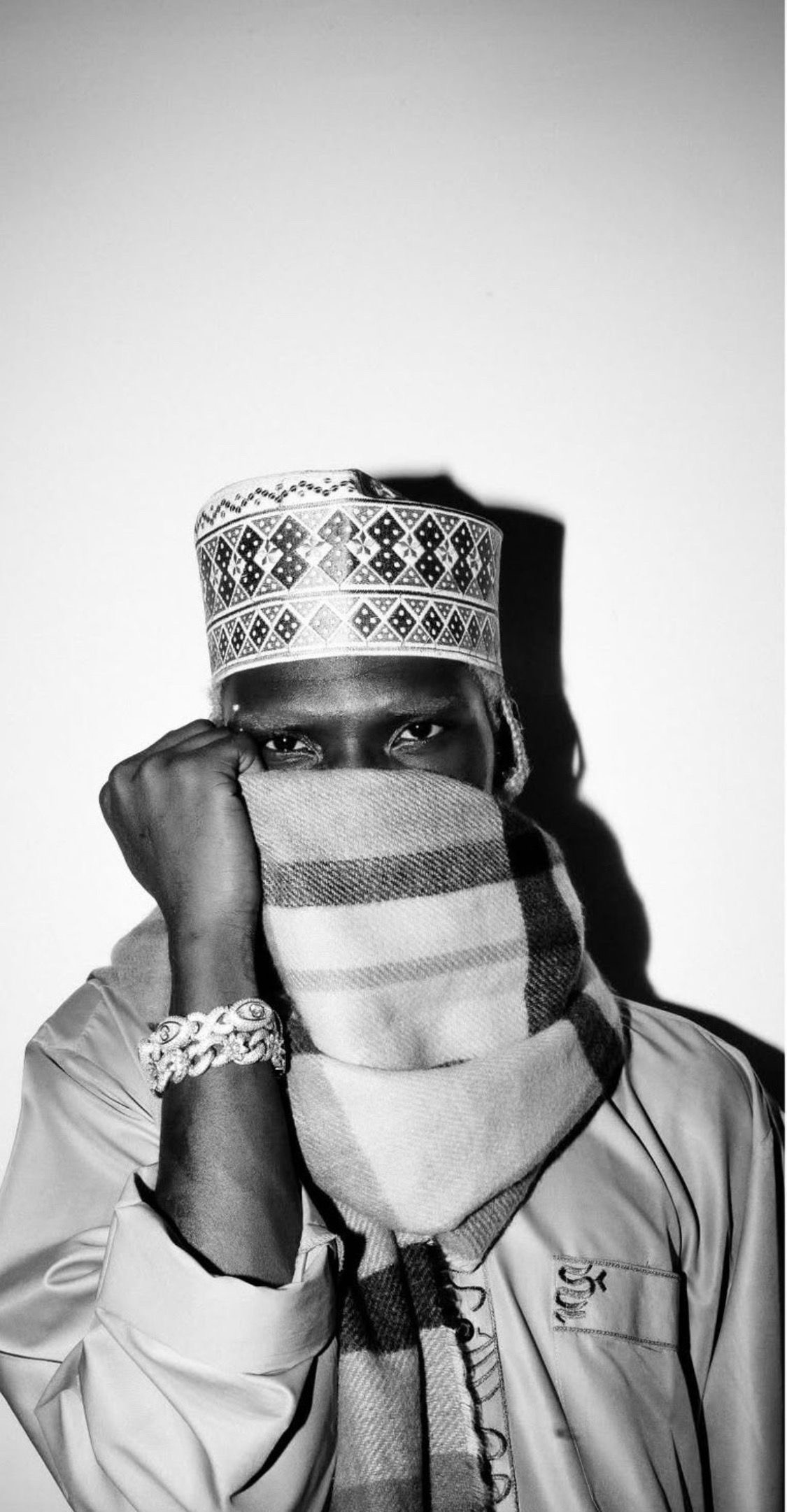
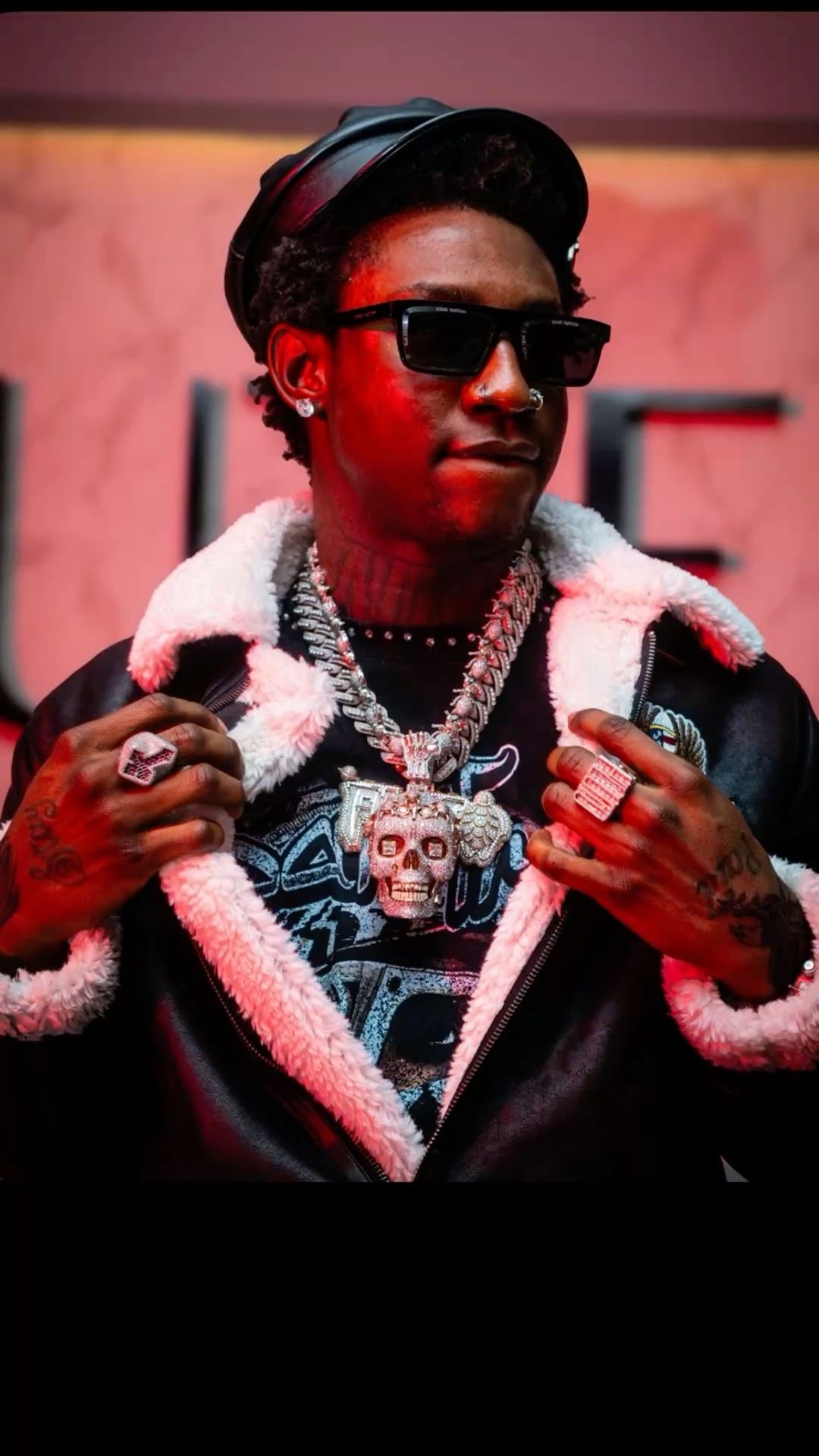
Relevance in today’s context is immediate, dynamic, and often driven by visibility. It is sustained through frequent releases, strategic collaborations, and strong alignment with current cultural conversations. Nigerian artists such as Seyi Vibez and Shallipopi exemplify this model, capturing attention through distinctive sound, unconventional branding, and a close connection to youth driven digital culture. Their rapid rise underscores how quickly influence can be built in an ecosystem where streaming performance, viral moments, and online engagement define momentum.
However, relevance operates within the urgency of the present. It requires continuous output and a sharp awareness of shifting audience preferences. In a landscape where attention is constantly redistributed, the challenge lies in sustaining visibility without creative fatigue. Without a clear trajectory, relevance can become cyclical, rising and falling with the pace of the culture itself.
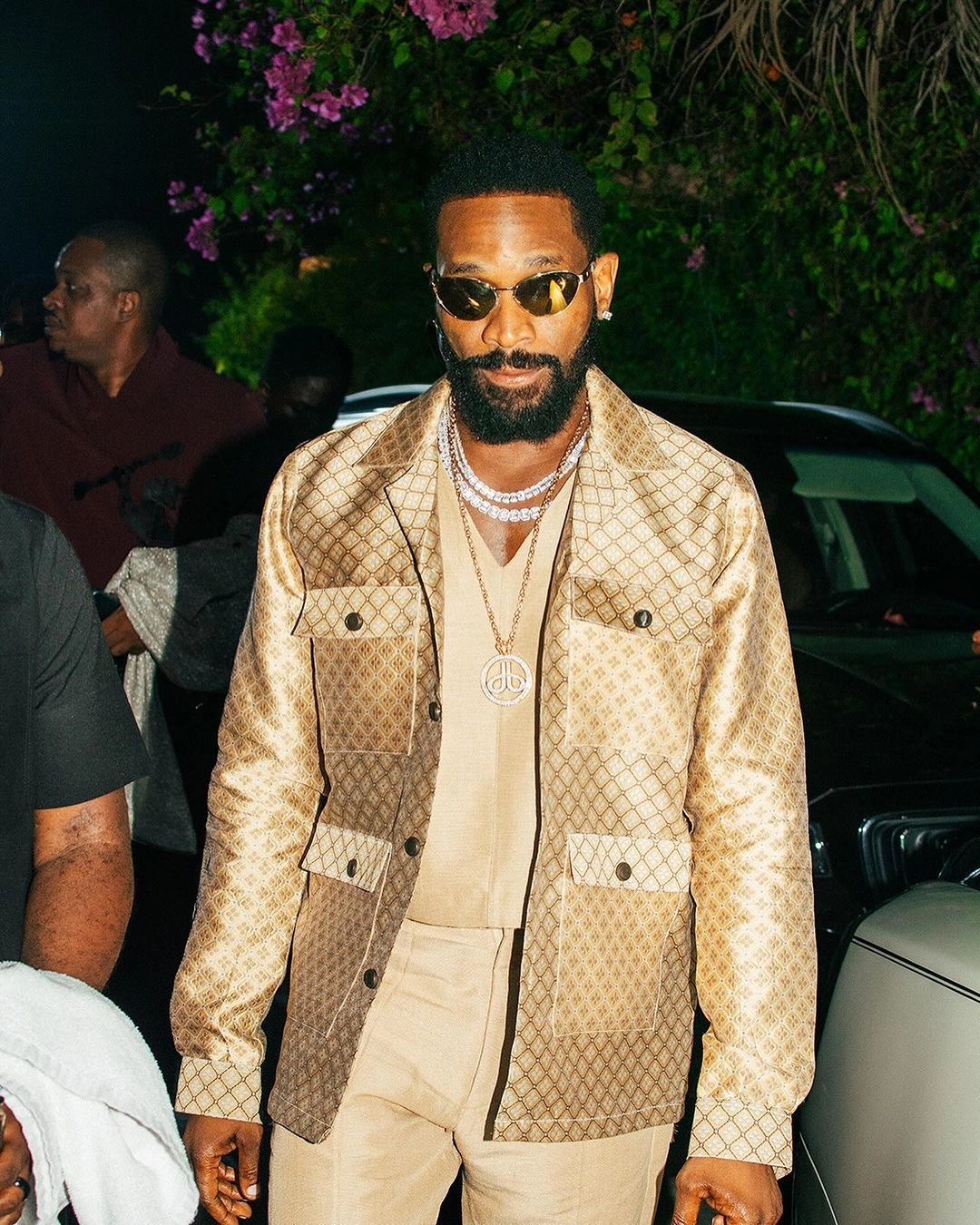
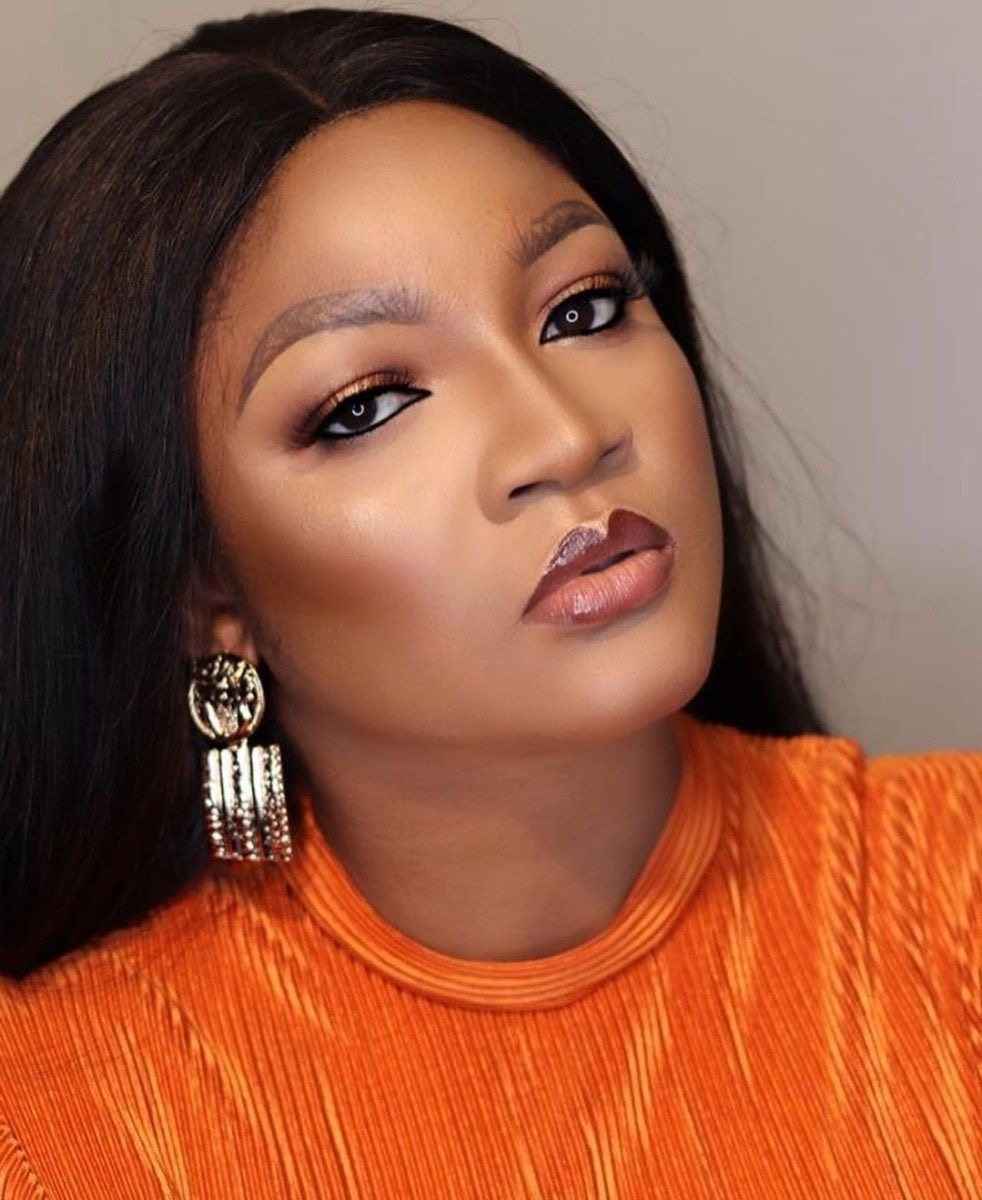
Longevity, by contrast, is anchored in endurance, consistency, and the gradual accumulation of cultural significance. It reflects a career built over time, where influence extends beyond immediate trends. Figures such as Omotola Jalade Ekeinde and D banj represent this pathway, having maintained relevance across decades through reinvention, cross industry engagement, and a sustained connection to their audiences. Their careers demonstrate how lasting visibility is often the result of strategic evolution rather than constant presence.
This model allows for periods of reinvention and selective engagement, creating space for growth without the pressure of continuous exposure. Longevity is often supported by a substantial body of work, brand diversification, and the ability to adapt to changing industry dynamics while preserving a recognisable identity. It is a slower and more deliberate form of influence, yet one that consistently proves more resilient over time.
The distinction between relevance and longevity is increasingly fluid. Many contemporary Nigerian celebrities now navigate a hybrid approach, recognising that immediate visibility can serve as a foundation for lasting impact. Artists who begin with strong cultural momentum are investing in brand development, international collaborations, and creative expansion to secure a more enduring position within the industry.
The influence of digital platforms has further intensified this balance, amplifying both opportunity and pressure. Social media rewards consistency in visibility, while audiences continue to value authenticity and depth. In this environment, relevance becomes a continuous performance, while longevity requires intentional pacing, recalibration, and strategic growth.
Ultimately, the conversation between relevance and longevity reflects a broader evolution in Nigerian celebrity culture. As the industry continues to command global attention, the most successful figures will be those who can convert momentary visibility into sustained influence. In a landscape defined by both speed and memory, true success lies not only in capturing the moment, but in shaping a legacy that extends beyond it.