
In Nigerias ever evolving music landscape, where longevity is often defined by an artists ability to adapt while maintaining a distinct identity, moments of renewed attention can signal more than nostalgia. As Afrobeats continues to expand its global influence, conversations around established artists re entering the spotlight reflect both audience memory and the cyclical nature of cultural relevance. Within this context, Tekno has recently sparked discussions around a possible comeback, drawing interest from fans and industry observers alike.
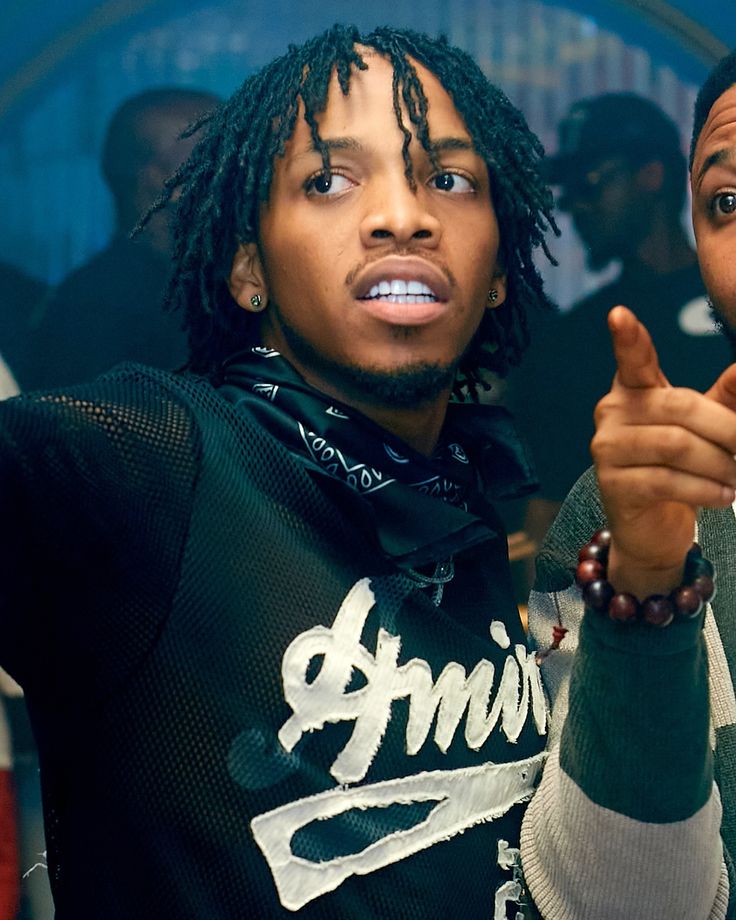
Tekno, widely recognized for his contributions to the sound and structure of modern Afrobeats, has long maintained a respected position within Nigerias music industry. His catalog, defined by melodic innovation and cross genre appeal, played a key role in shaping the international perception of Nigerian pop music during a crucial phase of its global rise. Beyond his personal discography, his work as a songwriter and producer has further reinforced his standing as a multifaceted creative force.
The recent resurgence of conversation surrounding Tekno appears to be driven by subtle signs of renewed activity, alongside a broader reassessment of his earlier contributions. In an era where digital platforms allow audiences to rediscover and reinterpret past work, artists often experience a revival of interest that extends beyond nostalgia. For Tekno, this moment reflects both the lasting appeal of his sound and the anticipation surrounding what a new phase of his artistry could bring.

Within the Nigerian context, comeback narratives carry particular significance as the industry continues to mature and expand. Unlike earlier periods, where visibility was largely shaped by traditional media cycles, todays digital environment enables artists to reconnect with audiences on their own terms. This shift has created opportunities for established figures to redefine their creative trajectories, blending experience with evolving trends in ways that resonate across generations.
The conversation also highlights the broader dynamics of Afrobeats as a global movement. As the genre continues to diversify, the contributions of artists like Tekno remain foundational to its ongoing development. Their potential return to prominence is often viewed not only as a personal milestone, but as part of a wider narrative about continuity, influence, and the evolution of Nigerian music on the global stage.

For fans, the prospect of a renewed presence from Tekno is shaped by both familiarity and expectation. His ability to craft accessible yet distinctive music has historically positioned him as a bridge between local sensibilities and international audiences. Any indication of a comeback therefore carries with it a sense of curiosity about how his sound might evolve within a rapidly changing musical landscape.
As discussions continue to build, the significance of this moment lies in what it reveals about artistic longevity within Nigerias entertainment industry. Comebacks are rarely defined by a single release, but rather by the ability to reconnect with audiences while offering work that feels both authentic and contemporary. In this regard, the renewed focus on Tekno underscores a broader truth within global music culture: that influence, when sustained with intention, can re emerge in ways that redefine both legacy and future direction.