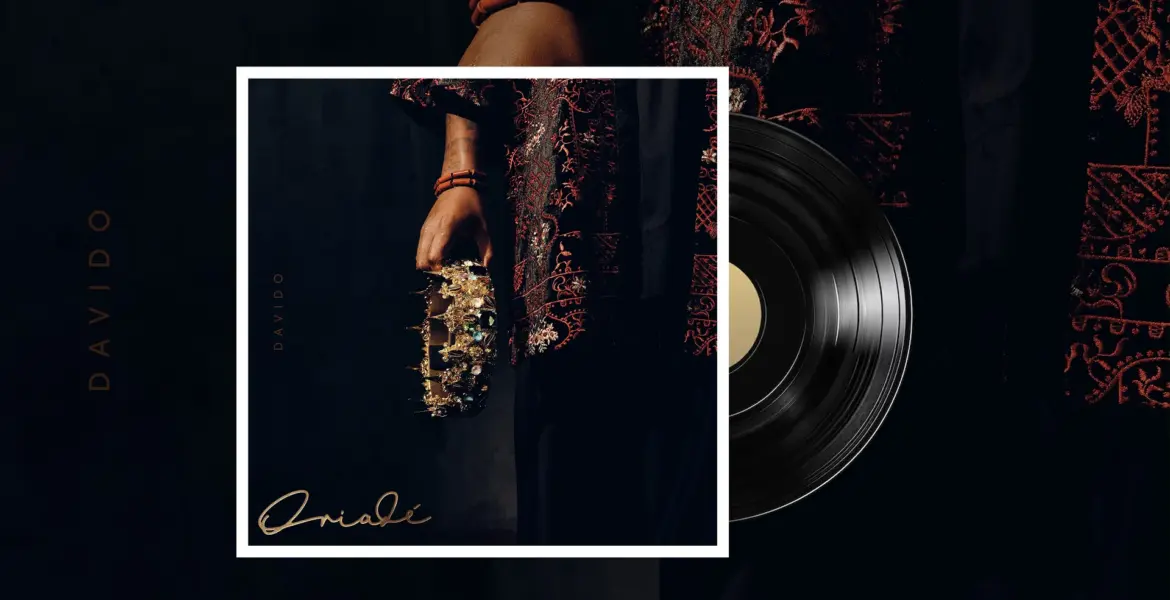
There is something significant about an artist who has spent years taking Nigerian music to audiences around the world choosing to bring one of his biggest celebrations back home. For Davido, that homecoming will take place at one of Nigeria's most recognisable cultural institutions, as he prepares to bring Oriadé: The Residency to the National Theatre in Lagos for three consecutive nights in December.
Scheduled for December 17, 18 and 19, 2026, the residency will mark 15 years of Davido's music career and bring his latest album, Oriadé, to the Nigerian stage for the first time. Davido announced the residency on September 18, writing that he was bringing it "HOME" after 15 years of music and a career that has taken him to stages around the world. The official residency platform confirms all three dates at the National Theatre.

The choice of venue adds another layer to the occasion. The National Theatre is more than a concert location. It occupies a distinctive place in Nigeria's cultural history and has long served as a major stage for the country's performing arts. Bringing a contemporary Afrobeats production into that space creates a meeting point between an institution associated with Nigerian cultural expression and an artist whose career has helped carry the country's popular music to audiences across the world.
For Davido, the significance is personal as well as professional. His rise to prominence began in Lagos, with "Dami Duro" becoming one of the defining records of his early career in 2011. Fifteen years later, after international tours and performances across major global stages, he is returning to the city for a three-night production built around the latest chapter of his musical journey.
That latest chapter is Oriadé, Davido's sixth studio album, released on July 31, 2026. The 13-track project features collaborations with Black Sherif, Mayorkun, FOLA, Leon Thomas, Aya Nakamura, Llona, NO11, JAZZWRLD and GL_Ceejay. The residency will give the album its first Nigerian live presentation while also drawing from the wider catalogue that has defined Davido's career.
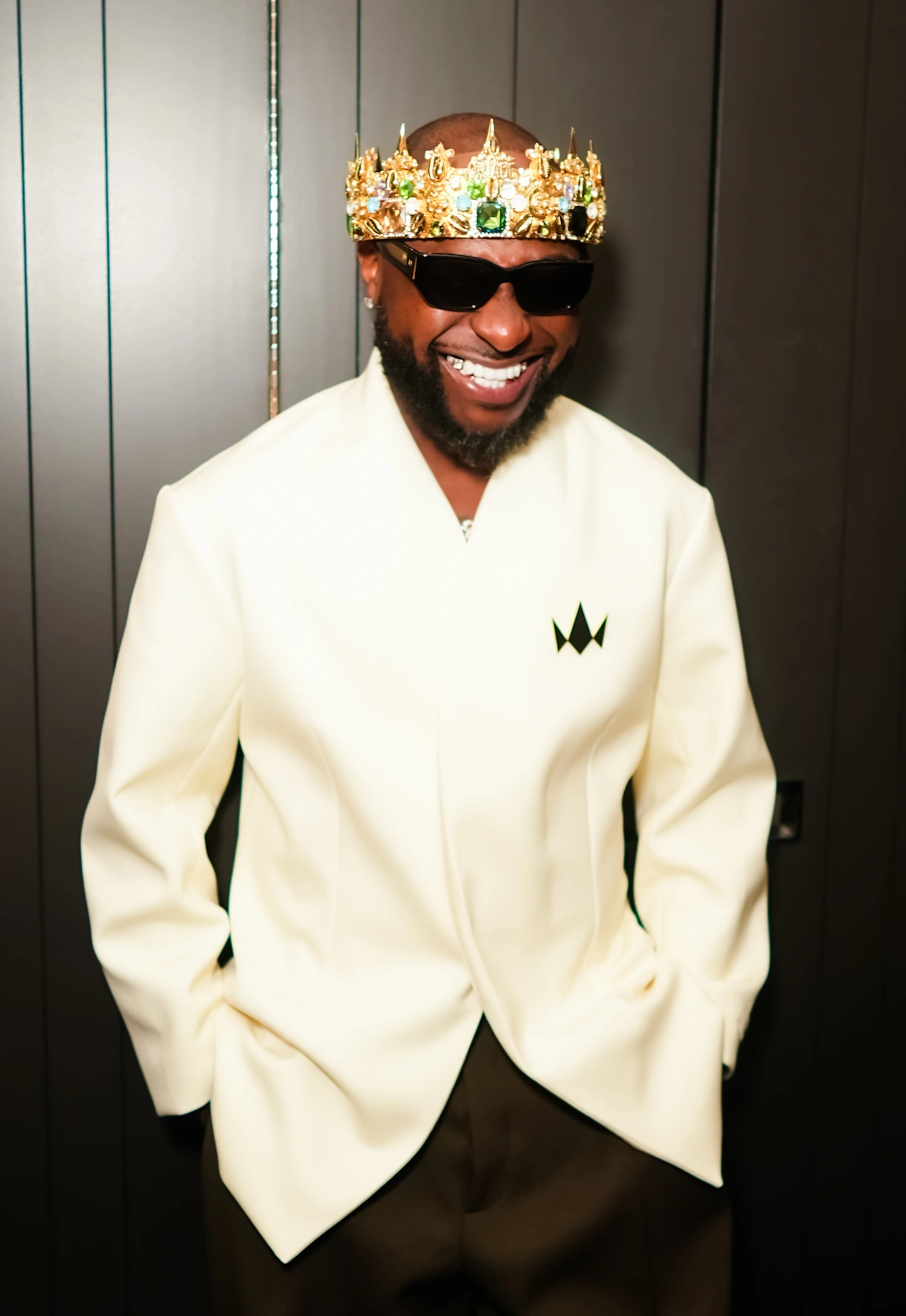
The three-night structure also sets the event apart from a conventional one-night concert. Rather than passing through Lagos for a single evening, Davido is establishing a temporary home at the National Theatre, creating room for the breadth of an audience built over 15 years. Speaking about the residency, he said the three nights would feature different kinds of music and surprises, although a detailed night-by-night programme and guest list have not yet been announced.
The residency will also arrive during Lagos' busy December entertainment season, when the city attracts Nigerians returning home and international visitors for concerts, cultural events and celebrations. Davido's return therefore places a major international-scale production within one of the year's most active periods for the city's entertainment industry.
But beyond the December calendar, the residency raises a larger question about what it means for Nigerian artists to build major live experiences at home. Davido has spoken about the importance of bringing the scale and production standards of his international performances back to Nigeria. The National Theatre, which has returned to active use following its extensive redevelopment, provides a setting where that ambition can take shape.
There is also symbolism in the timing. Davido's career has been defined by movement: from Lagos to international stages, from local recognition to global audiences, and from early Afrobeats success to a position at the centre of the genre's international expansion. Oriadé: The Residency reverses that movement for a moment. After years of taking his music around the world, the stage comes home.
For Lagos audiences, the attraction will inevitably extend beyond the new album. Davido's catalogue contains songs that have accompanied different chapters of Nigerian pop culture, from "Dami Duro" and "Aye" to "If" and "Fall", alongside the projects that followed. A three-night residency gives him an opportunity to place those memories alongside newer music and allow different generations of listeners to encounter the journey within the same cultural space.
It is also a reminder that the evolution of Afrobeats is not only about how Nigerian music performs abroad. It is about what happens when artists who have achieved international scale return to the institutions, audiences and cities that helped shape them. The National Theatre provides the setting, Oriadé provides the latest chapter, and Davido's 15-year journey provides the history.
By December, the conversation will move beyond the announcement itself. The three nights will offer an opportunity to see how a globally established Nigerian artist translates the scale of his international journey into a homecoming built around music, memory and place. For Davido, Lagos is not simply another stop on the calendar. For three nights, it is the destination.