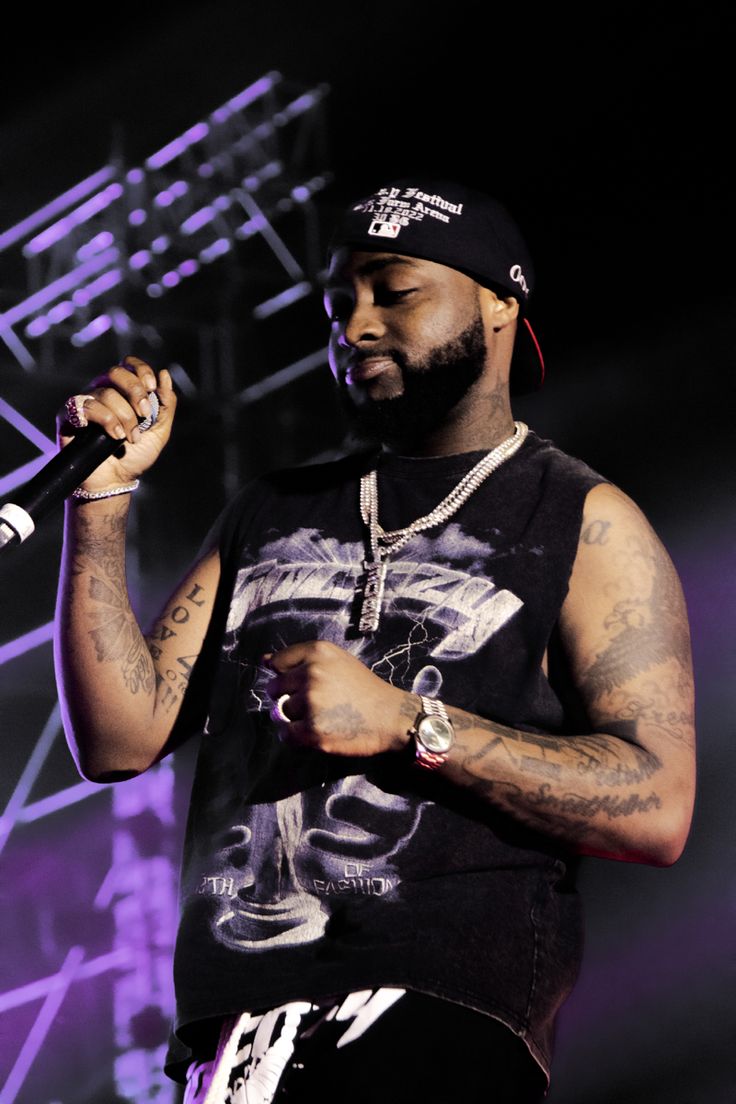
Collaboration has always been central to Nigerian music, bringing together different generations, sounds and artistic identities to create records capable of becoming cultural moments. But when an anticipated collaboration fails to materialise, the conversation can become almost as compelling as the music itself. That dynamic has come into focus following an exchange involving Davido and Wande Coal over a collaboration that was reportedly shelved, renewing discussion about creative relationships, expectations and the realities behind major Nigerian music projects.
Both artists occupy important positions in the history of contemporary Nigerian music. Davido emerged as one of the defining figures of the generation that helped propel Afrobeats into the global mainstream, building a career around major singles, international collaborations, live performances and a formidable catalogue. Wande Coal, meanwhile, belongs to an earlier generation whose vocal style and songwriting helped shape the sound of modern Nigerian pop and influenced many of the artists who followed.
That history makes the possibility of a collaboration between the two particularly intriguing. Their careers have developed across different eras, yet both have maintained strong connections to the evolution of Nigerian popular music. A record bringing their styles together would naturally carry expectations among listeners who recognise the significance of their respective contributions.
The reported disagreement surrounding the shelved project also illustrates the complicated process behind music collaborations. What audiences eventually hear as a polished few minutes of music can involve songwriting, recording sessions, production decisions, label considerations, scheduling, artistic preferences and other factors that remain largely invisible to listeners. A collaboration can therefore fall through even when the artists involved have mutual respect or creative chemistry.
Public exchanges can make such situations appear more straightforward than they actually are. When artists discuss unfinished projects online or in interviews, audiences are often presented with individual perspectives rather than the complete history of what happened. That makes it important to distinguish between what has been directly stated and interpretations that may emerge from fan discussions.
The interest in the Davido and Wande Coal exchange also speaks to the Nigerian audiences enduring fascination with musical catalogues. Fans routinely imagine combinations between established artists, debate which collaborations would produce the strongest records and revisit songs that never received official releases. An unreleased or abandoned project can consequently develop its own mythology, particularly when the artists involved are major figures.
There is also a generational dimension to the conversation. Wande Coal represents a period when Nigerian pop was developing its modern identity, while Davido became one of the artists who helped carry that sound into a much more global marketplace. Their careers demonstrate the continuity of Nigerian music, even as production styles, distribution systems and audience expectations have changed.
Whether the shelved collaboration eventually sees the light of day remains a separate question from the current conversation. Music that remains unreleased can sometimes be revisited years later, while other projects are ultimately left behind as artists move into different creative periods. Neither outcome necessarily diminishes the value of the work or the relationship that produced it.
Ultimately, the exchange between Davido and Wande Coal offers a glimpse into the complexity behind Nigerian musics most anticipated collaborations. Beyond the online conversation, it reflects an industry built on creative partnerships, changing circumstances and the sometimes unpredictable journey from an idea in the studio to a finished record. For now, the shelved collaboration remains a talking point, but its biggest significance may lie in the anticipation it has created for what two generations of Nigerian music could produce if they eventually meet on the same record.