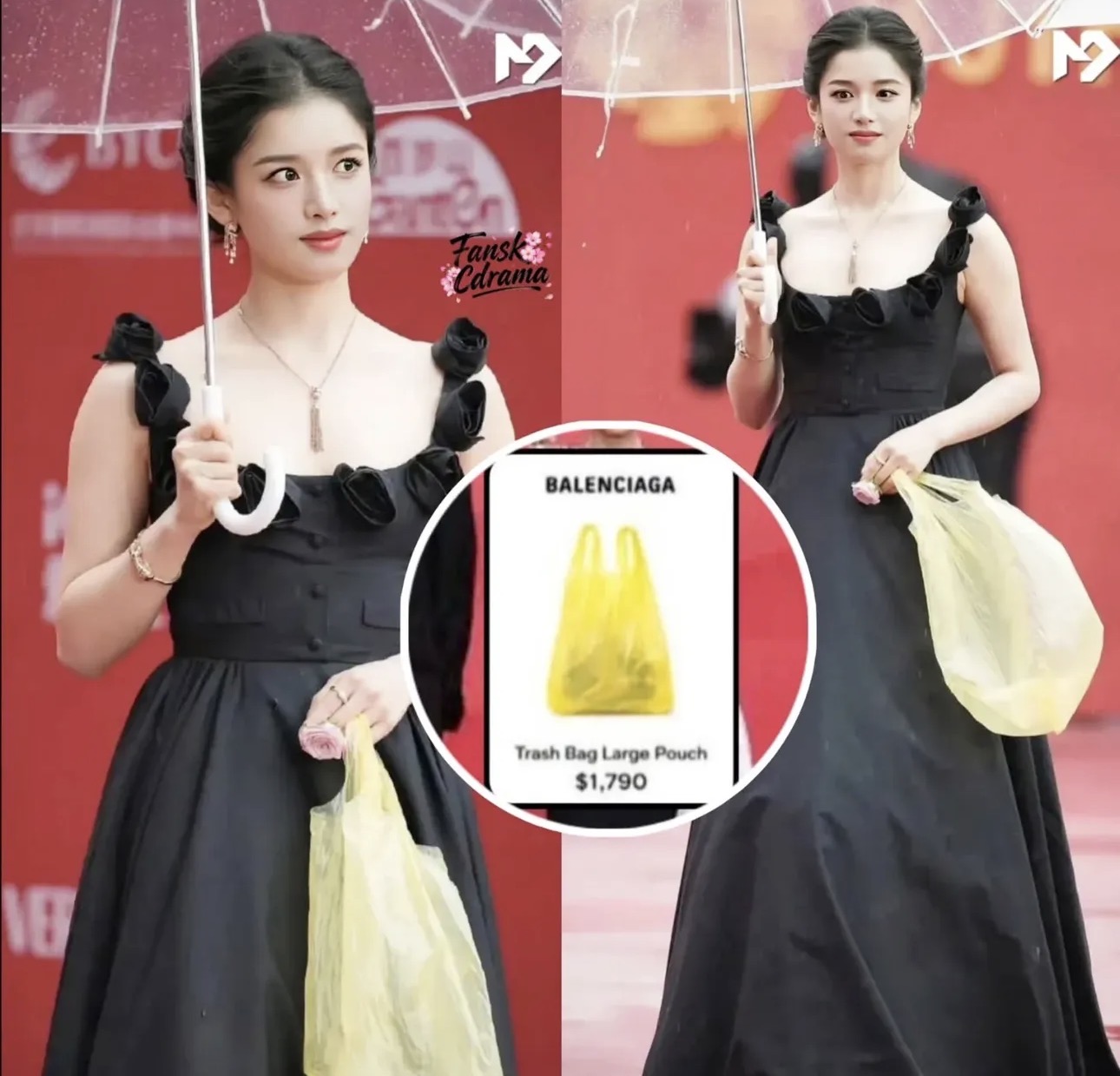
Luxury fashion has long been defined by excess, rarity, and material indulgence. Yet as global conversations around climate responsibility intensify, the industry finds itself under pressure to reconcile prestige with accountability. Sustainability is no longer a peripheral concern but a structural question that challenges how luxury is produced, consumed, and justified. Within this tension, experimental materials have emerged as both a statement and a test of credibility.
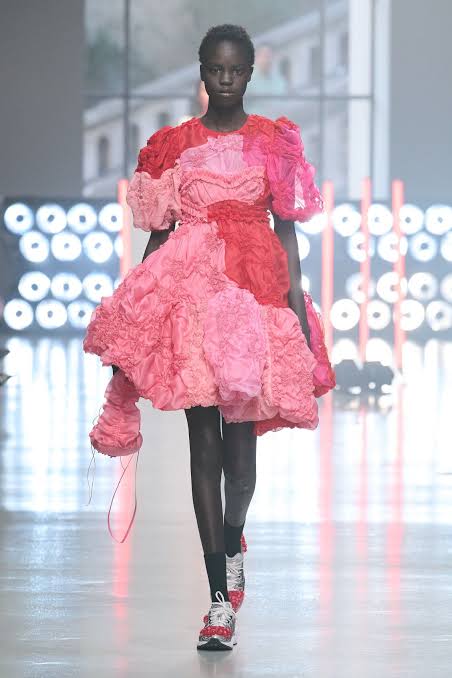
One of the most talked about examples is Lylon, a synthetic leather like material introduced by Balenciaga. Positioned as an alternative to traditional animal leather, Lylon represents a shift toward reimagining what luxury materials can be without relying on heritage animal based processes. Its use across footwear and accessories has sparked debate not only about aesthetics, but about whether innovation alone can redefine sustainability within high fashion.
Lylon challenges conventional expectations of luxury tactility. It is engineered for durability, uniformity, and visual consistency, qualities that align with Balenciaga aesthetic language of futurism and disruption. However, the question of sustainability extends beyond visual impact. While Lylon avoids animal sourcing, it remains a synthetic material, raising concerns about petrochemical dependence, recyclability, and long term environmental footprint. Sustainability in this context becomes layered rather than absolute.
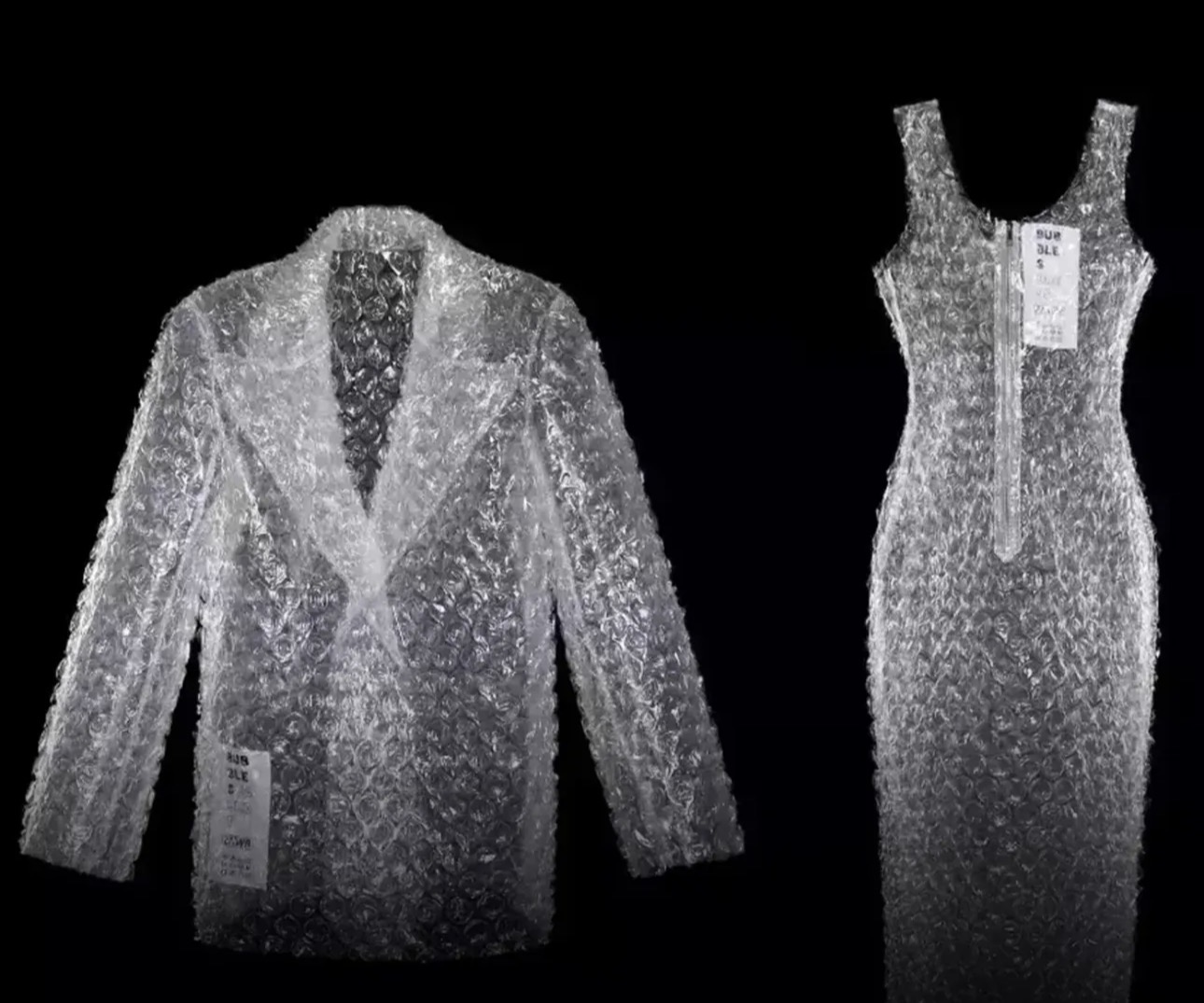
What makes the Lylon conversation significant is not the material itself, but what it signals about luxury fashion priorities. Historically, sustainability within luxury was framed as craftsmanship longevity, the idea that a well made item lasts longer and therefore offsets its environmental cost. Lylon introduces a different argument, one centered on innovation, reduced animal exploitation, and controlled production processes. This reframing suggests that sustainability may increasingly be defined by systems rather than sentiment.
For luxury houses operating at global scale, materials like Lylon offer logistical advantages. Predictable supply chains, reduced reliance on livestock agriculture, and scalable manufacturing appeal to brands navigating both ethical scrutiny and commercial demand. Yet critics argue that without transparency around lifecycle impact, such materials risk becoming sustainability theater, visually progressive but environmentally ambiguous.
From an African and Nigerian perspective, the implications are complex. Nigeria luxury consumers are increasingly conscious, globally connected, and attentive to brand ethics. At the same time, leather craftsmanship remains culturally and economically significant across parts of Africa. The rise of synthetic alternatives invites reflection on how global sustainability trends intersect with local industries, labor, and material heritage. Innovation must consider displacement as much as progress.
The Lylon trend also raises a deeper philosophical question for luxury fashion. Can sustainability coexist with rapid trend cycles and seasonal novelty. True sustainability demands restraint, repair, and circularity, principles that often conflict with the industry need for constant reinvention. Materials like Lylon may reduce certain harms, but they do not automatically resolve overproduction or consumption driven waste.
Still, dismissing such innovation entirely would ignore its potential. Lylon represents a step, not a solution. It opens the door for further research into biodegradable synthetics, closed loop recycling, and hybrid materials that merge performance with responsibility. In this sense, its value lies as a catalyst rather than a conclusion.
The future of sustainable luxury fashion will not be defined by a single material, but by the coherence between design, sourcing, production, and lifespan. Lylon invites the industry to confront uncomfortable questions about what luxury should mean in a resource constrained world. Whether it becomes a meaningful pathway or a temporary aesthetic will depend on how seriously brands commit to sustainability beyond surface innovation.
As luxury fashion evolves, materials like Lylon challenge both designers and consumers to rethink value itself. The way forward may not lie in replacing leather alone, but in redefining luxury as responsibility made visible, consistent, and accountable.