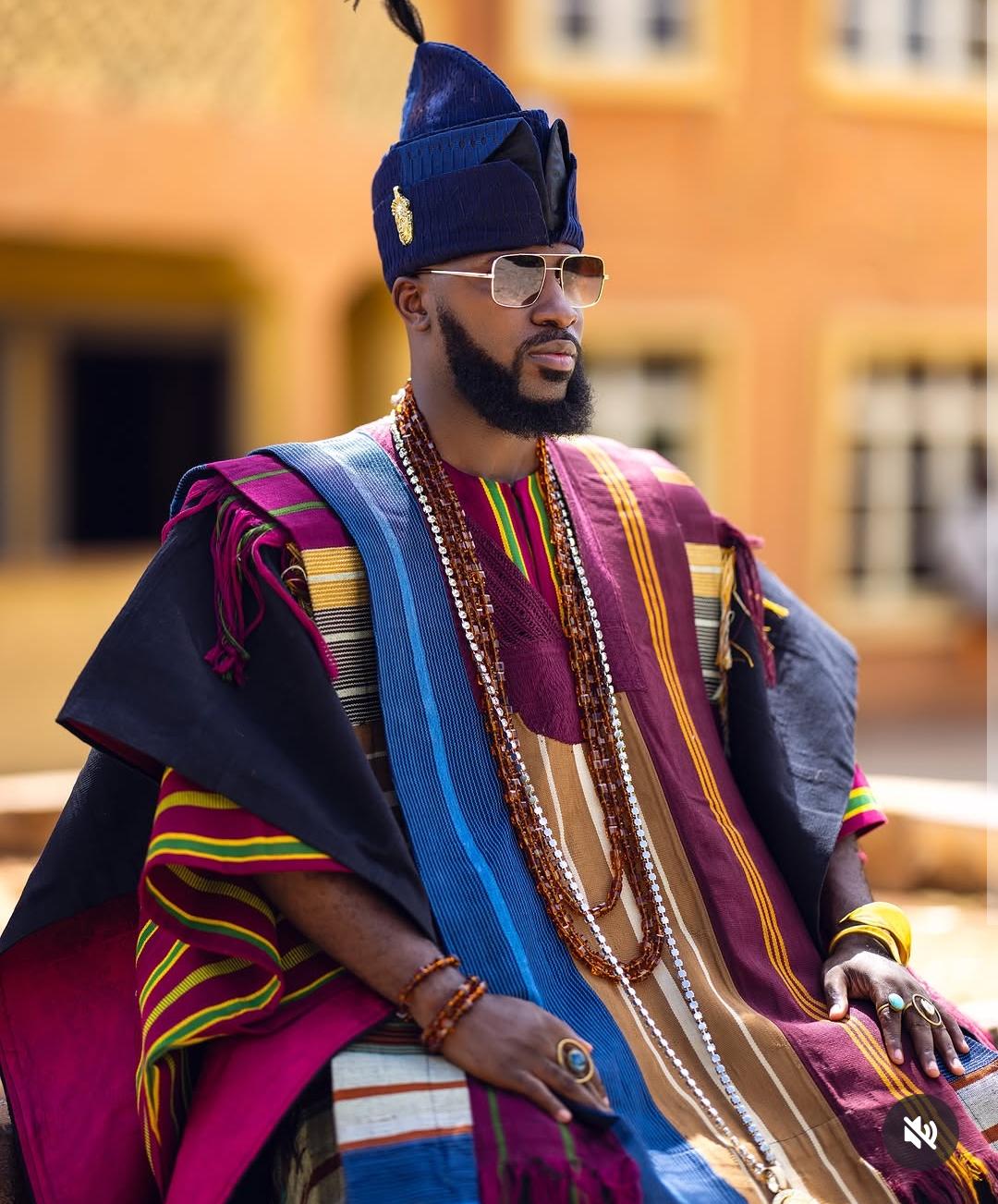
The ancient town of Ijebu-Ode once again became the cultural heartbeat of Nigeria as millions of indigenes, tourists, dignitaries, and visitors from across the country and the diaspora gathered for the 2026 edition of the globally acclaimed Ojude Oba Festival. Renowned for its grandeur, elegance, and deep cultural significance, the annual celebration once again showcased the richness of Ijebu heritage while reaffirming its place as one of Africa's most important cultural events.
This year's edition carried a unique emotional significance. Held under the theme Ojude Oba 2026: Celebrating the Legacy of Oba Sikiru Adetona, the festival marked the first celebration since the passing of the revered Awujale of Ijebuland, Oba Sikiru Kayode Adetona, one of Nigeria's longest-reigning and most influential traditional rulers.
For more than six decades, Oba Adetona served as a symbol of leadership, unity, and progress, guiding Ijebuland through significant periods of social and economic transformation. His absence was deeply felt throughout the celebrations, yet the festival itself stood as a powerful testament to the enduring strength of the institution he helped preserve and elevate.
Indeed, Ojude Oba 2026 demonstrated that the festival has evolved far beyond an annual gathering. It has become a cultural institution and a living expression of the history, identity, and collective pride of the Ijebu people.
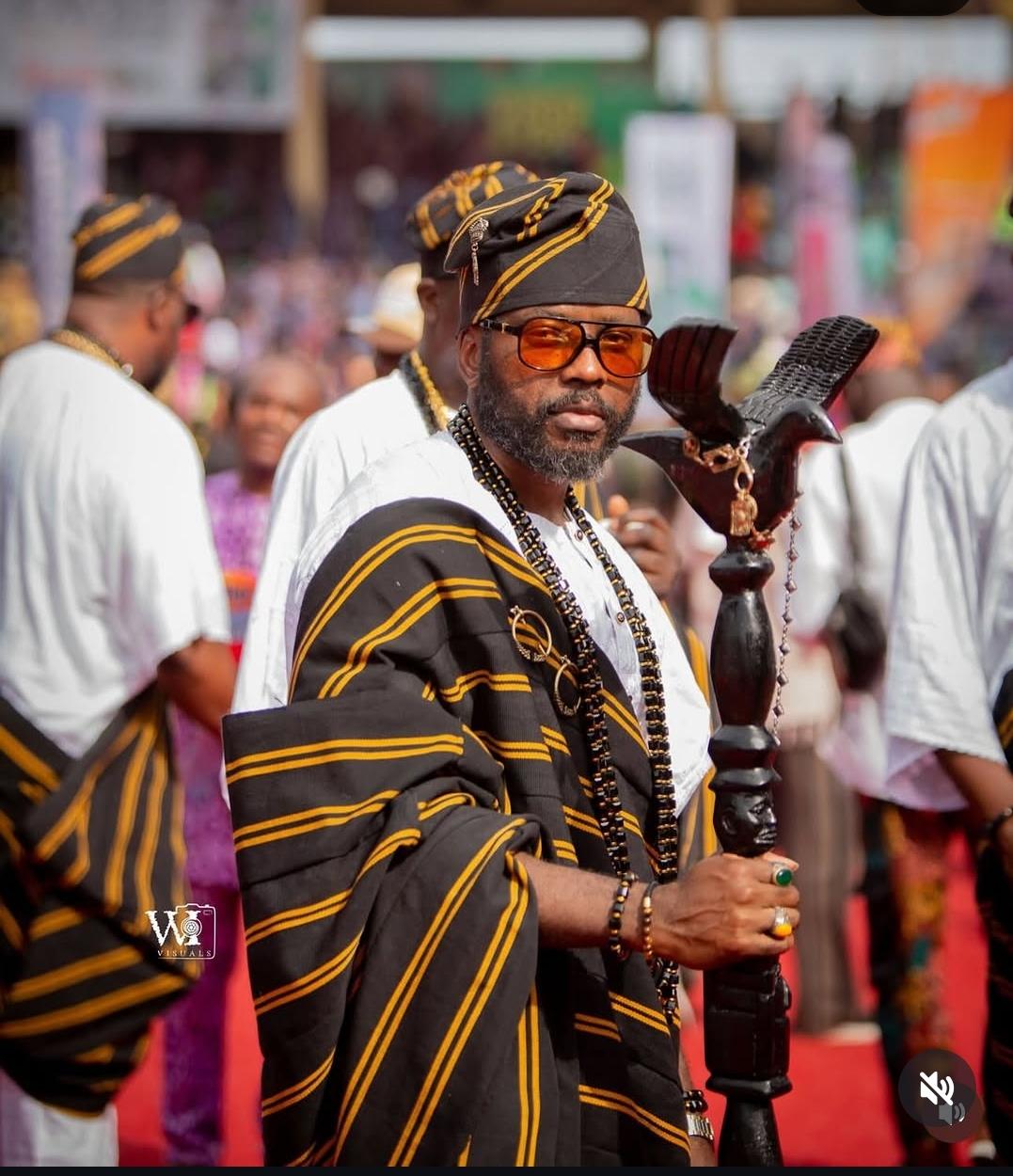
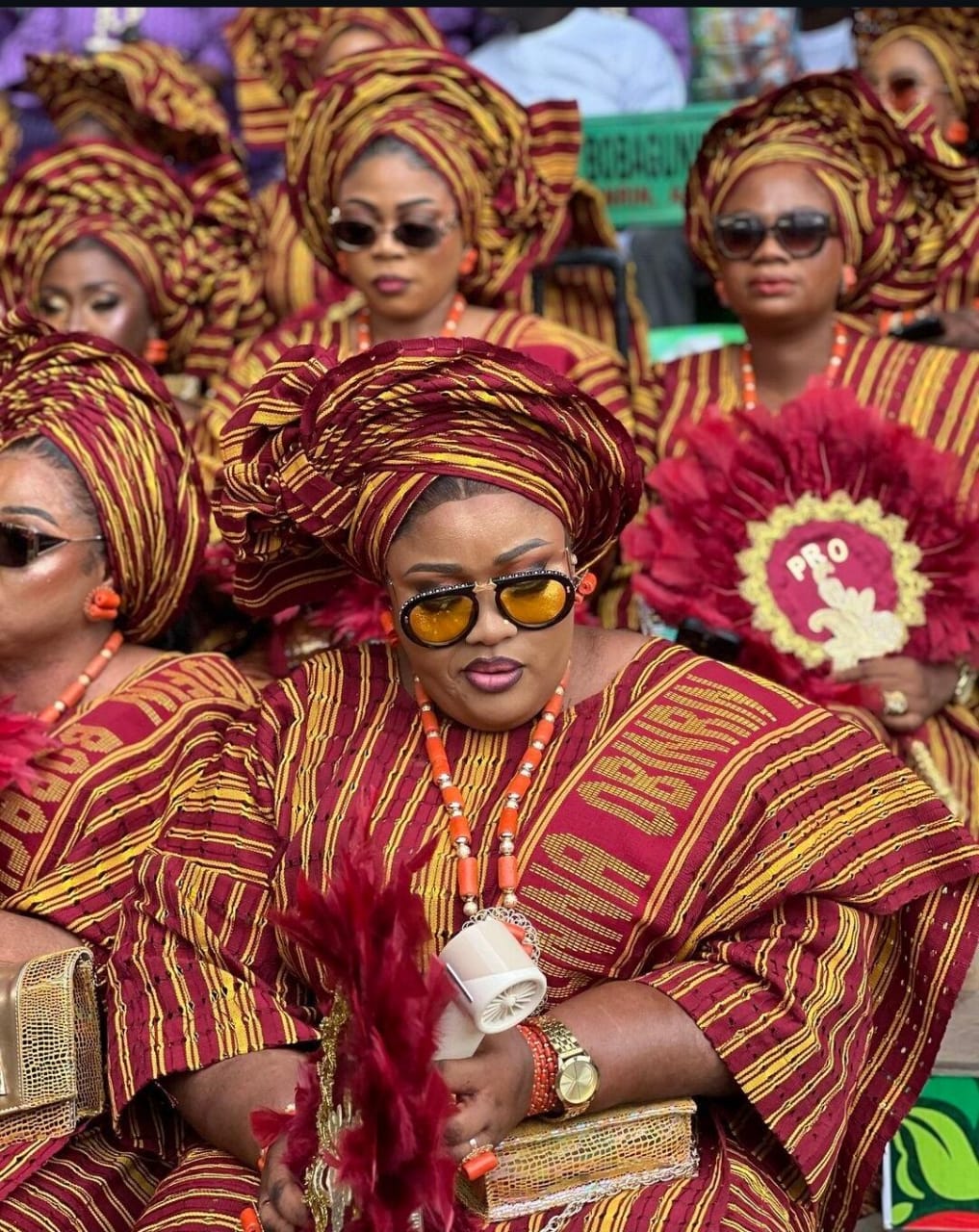
Despite the ongoing royal transition and the fact that the prestigious stool of the Awujale remains vacant, the festival retained the sophistication, prestige, and vibrant energy that have made it famous around the world. Colourfully dressed age-grade groups known as regberegbe, distinguished horse-riding families, traditional performers, and cultural enthusiasts transformed the city into a breathtaking display of heritage and pageantry.
The message from this year's festival was unmistakable. While individuals may shape history, enduring traditions continue to unite generations. Ojude Oba remains a powerful symbol of the resilience and continuity of Ijebu culture.
What began more than a century ago as a simple gesture of gratitude has grown into one of Africa's most celebrated cultural spectacles. Historical accounts trace the origins of the festival to Muslim faithful in Ijebuland who paid homage to the Awujale after Eid celebrations in appreciation for the religious freedom and acceptance granted to them. Over time, that act of respect evolved into a grand annual celebration embraced by people of different faiths and backgrounds.
Today, Ojude Oba stands as one of Nigeria's most compelling examples of religious tolerance and peaceful coexistence. Muslims, Christians, and traditional worshippers participate side by side, reflecting a spirit of unity that has long defined Ijebuland. In an era when social divisions often dominate public conversations, the festival continues to highlight the ability of culture to foster harmony and mutual respect.
Beyond its cultural importance, the festival has also become a significant economic driver. Every year, hotels, restaurants, transport operators, fashion designers, photographers, artisans, and local businesses experience increased commercial activity as thousands of visitors converge on the city. The event has grown into a major tourism asset capable of attracting investors, media attention, and international visitors to Ogun State and Nigeria as a whole.
The 2026 edition further reinforced the growing global appeal of Nigerian cultural festivals. The elaborate traditional attire, spectacular horse displays, vibrant music, and carefully preserved customs offered a compelling reminder that Nigerian culture remains one of the nation's most valuable exports. As countries increasingly utilise cultural heritage as a tool for tourism and economic development, Ojude Oba continues to serve as a model for how tradition can be preserved while remaining relevant to contemporary audiences.

Perhaps most importantly, this year's festival became a celebration of continuity. While honouring the remarkable life and contributions of Oba Sikiru Adetona, it also reaffirmed the resilience of a tradition that has survived generations and continues to grow in significance with each passing year.
In the end, Ojude Oba 2026 was far more than a cultural festival. It was a tribute to a legendary monarch, a celebration of heritage, a demonstration of religious harmony, and a powerful reminder of the enduring spirit of Ijebuland.
As drums echoed through the streets of Ijebu-Ode and colourful processions captivated spectators from around the world, one truth stood out above all else. The legacy of Oba Sikiru Adetona lives on, not only through memory, but through the vibrant cultural institution that Ojude Oba has become.